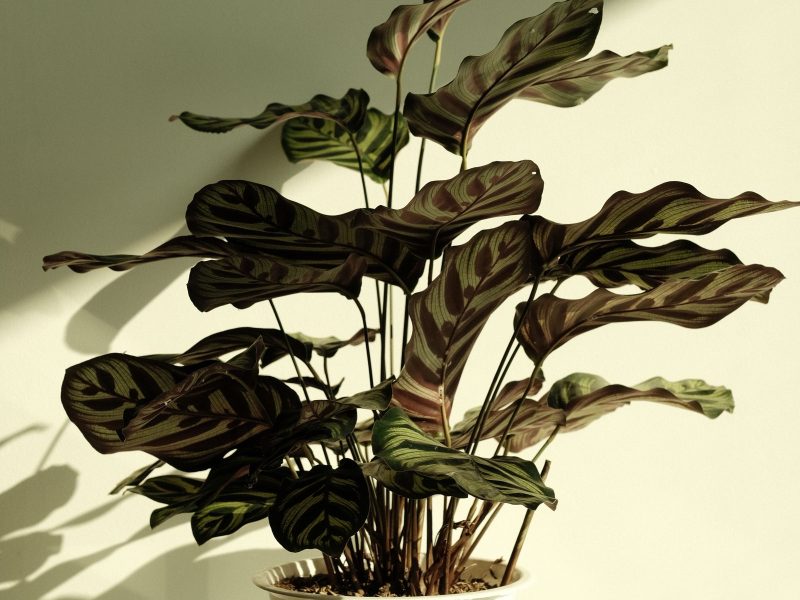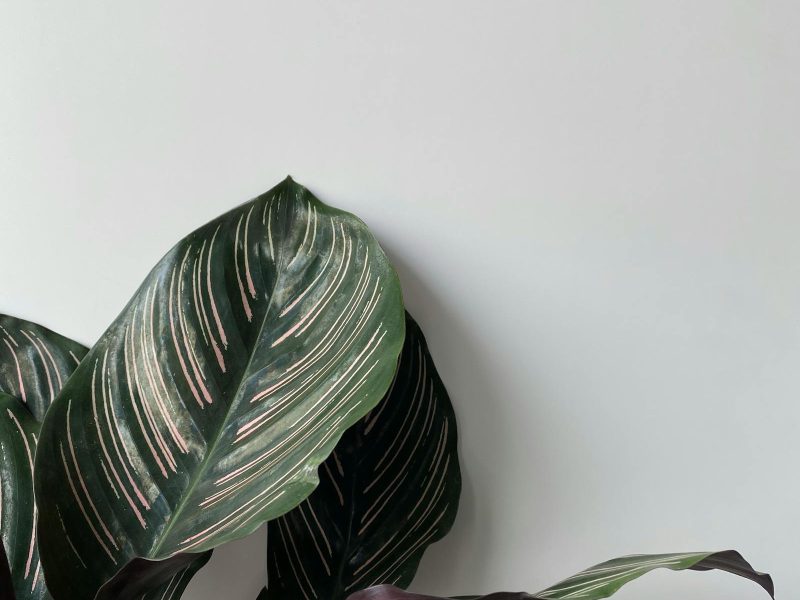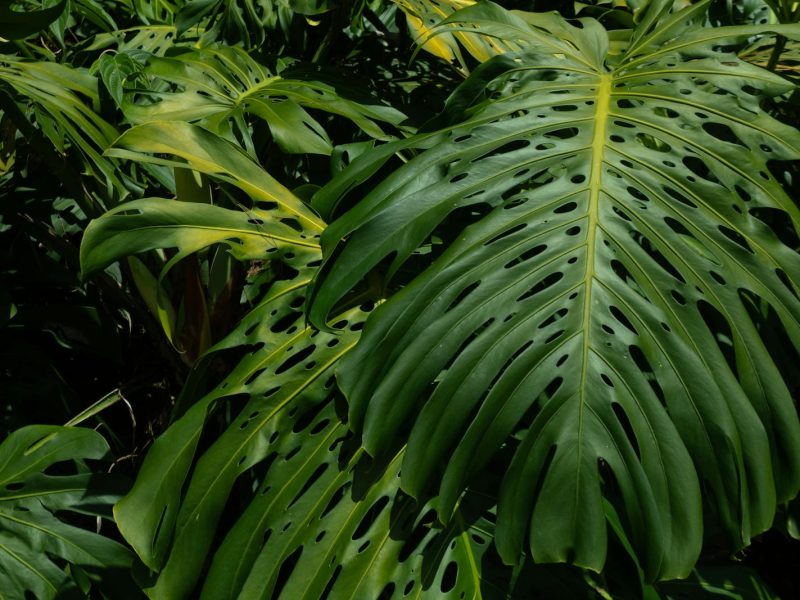

My apartment is 480 square feet, one long rectangle with two north-facing windows and a sliver of east light from a fire escape. Inside it live a 7-foot Ficus lyrata, a mature Monstera deliciosa with a 5-foot moss pole, a Strelitzia nicolai that grazes the ceiling, an Alocasia zebrina in a floor pot, and about thirty smaller plants on shelves. Visitors always ask the same question: how does it not feel like a jungle gym you have to duck through. The honest answer is that scale in a small room is a math problem before it is a taste problem, and I got it wrong for the first two years I lived here.
This is what I wish someone had told me before I dragged a 40-pound fiddle leaf up four flights of stairs and set it in a corner where it dropped seven leaves in a month.
Start with the floor plan, not the plant list
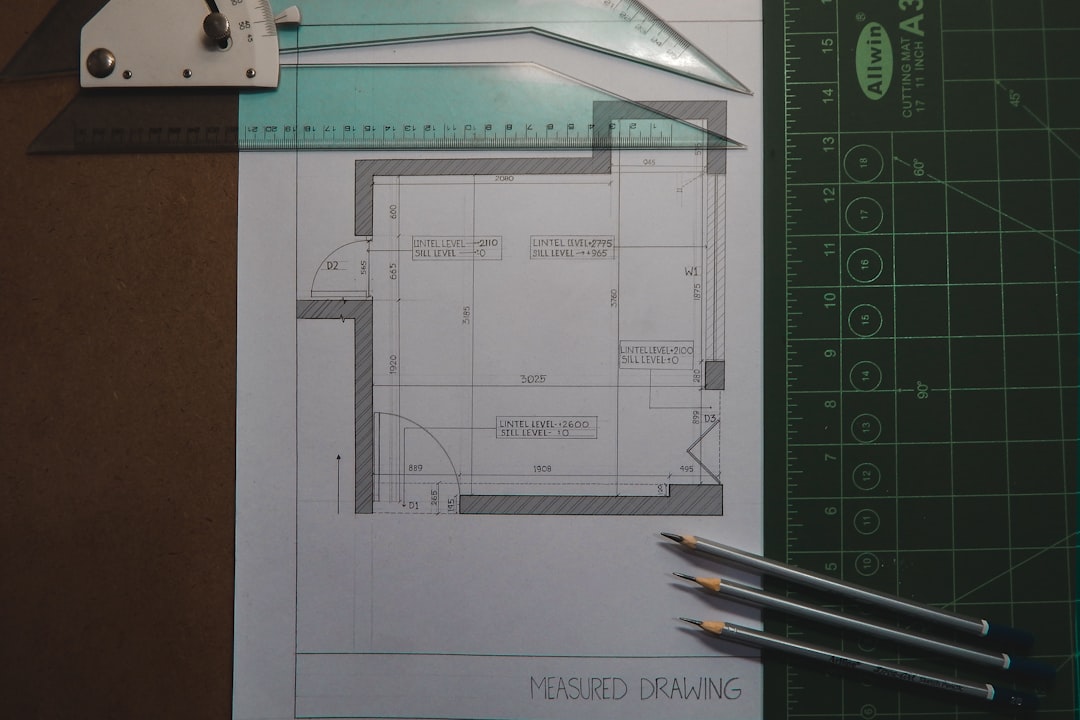
Before I bought a single large specimen for this apartment, I taped out footprints on the floor with painter’s tape. A 14-inch nursery pot needs at least a 22-inch decorative planter once you factor in a drip tray and the visual breathing room a big plant deserves. That 22-inch footprint is roughly 3 square feet of floor real estate that becomes untouchable: you cannot put a chair leg there, you cannot walk through it, and you cannot open a closet door into it. In a 480 square foot apartment, three floor plants of that scale eat 2 percent of my walkable space, which sounds trivial until you realize it is the exact 2 percent between the couch and the kitchen.
I now follow a simple rule I stole from a set designer friend: no more than one floor plant per 60 square feet of open floor. Open floor means the space you actually walk on, not the square footage under the couch. In my main room that translates to two floor plants maximum. The third one lives in the bedroom because I ran the numbers and it was the only place it would not become an obstacle.
Match plant scale to ceiling height, not room width
The mistake I made early on was choosing plants sized for the room’s width. My living area is 12 feet across, so I bought plants that felt proportional to that horizontal number. Every one of them looked squat and awkward. The room reads tall because the ceilings are 9 feet 4 inches, and my eye kept traveling up to the empty vertical space above a 4-foot plant.
The fix was going taller, not wider. A Strelitzia nicolai that reaches 8 feet uses about the same floor footprint as a 4-foot rubber tree, but it finishes the room. Same logic for the moss pole on my monstera: I let it climb to 6 feet 2 inches before I stopped adding sections, and the plant now visually anchors the corner instead of huddling in it. In a small apartment, vertical growth is free real estate. Horizontal spread costs you the walkway.
Audit your light before you shop
I bought a cheap lux meter for about $22 and it changed how I place every plant. Here is what I measured in my apartment on a bright but overcast October afternoon:
| Location | Lux reading | What survives long-term |
|---|---|---|
| 2 feet from north window | 1,200-1,800 | Pothos, philodendron, ZZ, most calathea |
| 6 feet from north window | 250-400 | Pothos only, and slowly |
| Directly beside east window | 3,500-6,000 (morning) | Monstera, ficus, alocasia, strelitzia |
| Interior wall, no direct window | 80-150 | Nothing, honestly; use a grow light or give up |
A Ficus lyrata generally needs at least 2,000 lux to hold its lower leaves. When I placed mine 4 feet from the window because it looked balanced there, it was sitting in about 900 lux and shed leaves accordingly. Moving it 18 inches closer brought it to 2,400 lux and the leaf drop stopped within six weeks. Style follows biology, not the other way around.
The weight problem nobody warns you about
A 14-inch terracotta pot filled with wet soil and a mature plant can weigh 60 to 90 pounds. My building was built in 1926 and the floors flex when I walk across them. I learned to check three things before committing a large plant to a spot:
- Is the joist direction perpendicular to where I am placing it. Plants near the perimeter walls sit closer to joist ends and load better than plants in the middle of a room.
- Can I actually move the pot to water it, or will I be dragging 80 pounds of ceramic across original hardwood. I put every floor plant over 25 pounds on a plant caddy with locking wheels ($18 to $35 depending on capacity).
- Does the ceramic pot have drainage. If not, I use it as a cachepot with the nursery pot inside and a saucer, because a sealed 22-inch ceramic pot filled with 6 gallons of wet substrate is a slow-motion floor stain.
I lost my security deposit at a previous apartment to a Philodendron gloriosum whose planter wept mineral crust onto the floorboards for eight months without my noticing. Cachepots and caddies are not accessories. They are how you keep the plants and the apartment in the same relationship.
Group in threes, not clusters
Every styling book will tell you plants look best in odd-numbered groupings, which is true, but in a small apartment the useful version of that rule is stricter: three plants of different heights, different leaf shapes, and different pot materials. My best corner has the strelitzia (tall, paddle leaves, matte black concrete pot), an Alocasia zebrina on a low plant stand (medium, arrow leaves, terracotta), and a Philodendron hederaceum trailing from a wall bracket above them (small, heart leaves, hanging cotton planter).
The reason this works is that the eye reads it as one composition instead of three plants. When I tried to fit a fourth plant into that arrangement, a beautiful Calathea orbifolia that objectively deserved a spot, the whole corner turned into visual noise and I moved the calathea to a shelf where it could stand alone. Restraint is a styling tool. In 480 square feet it is the main one.
Use furniture as plant infrastructure
My kitchen has a narrow bar cart that holds espresso equipment on the top shelf and three medium plants on the bottom. My bedroom has a mid-century dresser whose flat top is 68 percent occupied by plants. This is not accidental. Every piece of furniture I have bought in the last four years was evaluated for whether it could carry plants without looking like a plant shelf.
The things I look for:
- Solid wood or metal tops that will not swell from occasional water spillage
- Heights between 28 and 36 inches, which puts medium plants near the natural sightline of someone standing
- Enough depth (minimum 14 inches) to hold a decorative pot without the pot overhanging
- Neutral finishes: white oak, matte black, unfinished linen, aged brass. Anything glossy competes with the leaves
- A stable base. Wobbly furniture plus a top-heavy plant is how you break a plant and a lamp in one motion
Lighting that is not sunlight
I run three supplemental grow lights in my apartment, all of them either clipped to shelves or mounted to look like reading lamps. The trick to making grow lights disappear in a styled space is to buy fixtures that read as normal lighting during the day and to run them on timers so you never see the harsh magenta of a cheap full-spectrum bulb during a dinner party.
My setup: two Soltech Aspect pendants ($200 each, painful but they honestly look like real lamps) on a 12-hour timer from 6 a.m. to 6 p.m., and one Sansi 24W bulb ($28) in a floor lamp aimed at the strelitzia’s lower canopy. The Sansi is the ugly one and lives behind a linen shade. Combined they add roughly 4,500 lux to plants that would otherwise be surviving on 400.
What I stopped buying
Some plants are famously bad citizens in small apartments regardless of how well you style around them. I have retired the following from my rotation and I sleep better for it:
- Ficus elastica variegated forms: sap dropping on furniture, cannot be moved without traumatizing them
- Large Croton: leaf drop from any temperature shift, and my radiator makes those weekly
- Any Alocasia larger than zebrina: too much moisture demand for a heated one-bedroom in a New York winter
- Palms of most kinds: spider mite magnets in dry indoor air, and the fronds throw an enormous visual footprint for one plant
None of these are bad plants. They are wrong plants for 480 square feet with steam heat and two north windows. If you can name the specific conditions that make a plant thrive, you can also name the conditions that will slowly kill it, and small apartments punish that gap faster than houses do.
Frequently asked questions
How big is too big for a studio apartment plant?
My working rule is that a plant should not exceed one-third of the ceiling height and its pot should not eat more than 4 square feet of open floor. For a standard 8-foot ceiling that caps a plant around 5 feet 4 inches tall in a 14-inch nursery pot. Going taller in a studio is possible if the plant is columnar (like a strelitzia) rather than spreading (like a bird of paradise cousin), because columnar plants take vertical space without stealing floor space.
Can I keep a fiddle leaf fig in low light if I use a grow light?
Yes, but the grow light has to be doing real work. A Ficus lyrata wants at least 2,000 lux at leaf level for 10 to 12 hours a day. A weak bulb 6 feet away contributes maybe 200 lux, which is decorative, not horticultural. I would budget $150 to $300 for a fixture strong enough to sustain a large ficus in a genuinely dim room, and I would still expect slower growth than a plant near a window.
What is the best way to move a heavy potted plant for cleaning?
Plant caddies with locking wheels are the answer. Sizes range from 12-inch trays rated to 220 pounds up to 20-inch heavy-duty models. Lock the wheels when the plant is in its display position or a curious cat will nudge 60 pounds of alocasia across the room. I water in place over a folded towel and only roll the plant out for a full rinse in the shower once a quarter.
Do decorative pots really need drainage holes?
Not if you treat them as cachepots. I keep every large plant in its plastic nursery pot with drainage and set that inside a sealed decorative pot with an inch of gap for airflow. After watering, I let the nursery pot drain in the sink for 15 minutes before returning it. Drilling drainage into a ceramic pot is possible with a diamond hole-saw bit but the failure rate on thin-walled pots is high enough that I stopped trying.
How do I keep large plants from making a small room feel cluttered?
Restraint on everything else. Fewer throw pillows, fewer wall objects, a single clear surface on every horizontal plane where a plant already lives. The plants are the visual weight in the room, so nothing else can be. My apartment reads calm despite 35 plants because the walls are mostly bare and the furniture is deliberately quiet. When people walk in they say green before they say cluttered.
Frequently asked questions
How often should I write in my plant journal?
Weekly is reasonable. Daily for serious observation; monthly for casual. The right frequency is the one you'll sustain.
Do I need a specific app or notebook?
No — any format works. Physical notebook, digital note-taking app, photos with captions. The format matters less than consistency.
What should I write about?
Observations of each plant (new leaves, color, growth), care actions you take, environmental notes (humidity, light), and any concerns or questions.
Will plant journaling really make me a better plant keeper?
Yes. The practice of writing makes observations more deliberate, helps you notice patterns, and improves diagnostic skills. Most experienced collectors find it valuable.