My worst plant loss had nothing to do with light, humidity, or a pest I missed. It was a mature Anthurium warocqueanum that browned steadily along every leaf edge for six months while I fussed over airflow and fertilizer. The problem was sitting in my kitchen the whole time: hard municipal water with a TDS reading north of 380 ppm, dosed weekly onto a plant that resents anything over about 120.
Water is the input we take most for granted and the one that quietly writes itself into every leaf you grow. If you collect the fussier tropicals, or anything from the carnivorous and epiphytic side of the hobby, the source you pour matters as much as the fertilizer you dissolve into it. Here is how I think about it after a decade of trial, error, and one very expensive TDS meter.
What is actually in your water
Municipal tap water is engineered for human safety, not root health. The specific cocktail varies by city, but almost every treated supply carries some combination of the same players. Calcium and magnesium make it hard. Sodium and bicarbonates buffer it alkaline. Chlorine or chloramine sanitizes it. Fluoride is added in many regions at roughly 0.7 mg/L. Trace copper and zinc leach from household plumbing. On top of that, well water can carry iron, manganese, sulfur, or nitrates depending on the aquifer.
None of these are dangerous to you. Several are actively hostile to sensitive foliage. Chloramine, unlike chlorine, does not gas off on the counter overnight. Fluoride accumulates in the tips of strap-leaved species like Dracaena, Spathiphyllum, and Chlorophytum. Calcium carbonate leaves the whitish crust you see on terracotta rims and, invisibly, on root hairs.
The TDS number I actually pay attention to
A cheap handheld TDS meter, the kind that runs about 15 dollars, is the single most useful tool I have bought for plant care. It measures total dissolved solids in parts per million by proxy of electrical conductivity. It will not tell you which minerals are present, but it will tell you how much stuff is dissolved in your water before you add fertilizer, and that number is what tells you whether your source is friendly or hostile to a given plant.
Here is the rough map I use in my own collection:
| Source TDS (ppm) | What it means in practice | Suitable for |
|---|---|---|
| Under 20 | Essentially pure; needs remineralization for most plants | Nepenthes, Sarracenia, Tillandsia, mosses |
| 20 to 80 | Soft, forgiving, close to rainwater | Anthurium, Philodendron, Alocasia, calathea, ferns |
| 80 to 150 | Moderate; safe for most tropicals with occasional flushing | Monstera, pothos, hoyas, most aroids |
| 150 to 300 | Hard; will accumulate in soil and on leaves over time | Cacti, succulents, tolerant foliage plants |
| Over 300 | Very hard; problematic for anything sensitive | Reconsider or filter |
My tap runs 340 to 380 ppm depending on the season. That number alone told me the warocqueanum was doomed on tap. It also told me my Euphorbia trigona in the same room did not care in the slightest, which tracked with how each plant looked.
Tap water, and when it is genuinely fine
I want to argue for tap water before I argue against it, because most collectors overcorrect. If your municipal TDS sits under about 150 ppm, if your utility uses chlorine rather than chloramine (their annual water quality report will tell you), and if you grow mostly resilient foliage plants, tap water straight from the faucet is often perfect. Letting it sit uncovered for 24 hours dissipates free chlorine and lets the temperature equalize, which matters more than people realize for tropical roots.
Tap water is also mineralized, which means it feeds your plant a low background dose of calcium and magnesium every watering. Plants grown on pure water for long stretches without remineralization can develop subtle deficiencies that mimic other problems.
Where I stop trusting tap:
- TDS reads consistently above 200 ppm.
- The utility uses chloramine, confirmed on their annual report.
- I am growing anything on the sensitive list: calathea, maranta, most thin-leaved Anthurium species, Nepenthes, Sarracenia, Venus flytraps, Tillandsia, or ferns like Adiantum.
- I see white crust forming on soil or pot rims within weeks of a repot.
- Leaf tips brown symmetrically across multiple unrelated species in the same room.
Filtered water: what a Brita actually does and does not do
This is the most misunderstood option in the hobby. A standard activated-carbon pitcher filter removes chlorine, improves taste, and reduces some volatile organics. It does very little for TDS, essentially nothing for fluoride, and only modest work on chloramine. If you run tap through a Brita and check the TDS before and after, the numbers will be almost identical.
Filtration that meaningfully changes water chemistry falls into three categories. Reverse osmosis systems strip almost everything, dropping TDS to single digits and wasting roughly three to four gallons for every gallon produced. Deionization cartridges do similar work through ion exchange. Zero Water pitchers use a small deionization filter and will genuinely bring TDS to zero, but the cartridges are expensive and short-lived on hard source water. I burned through a cartridge every three weeks before I moved to RO.
A whole-house softener is not a solution. It swaps calcium and magnesium for sodium, which is worse for plants than the original hardness. Never water rare plants from a softened tap.
Rainwater, the underrated ideal
Rainwater is what most of these plants evolved to drink. It arrives with TDS typically between 10 and 40 ppm, slightly acidic at pH 5.5 to 6.5, and free of chlorine, chloramine, and fluoride. It carries a trace of dissolved nitrogen from atmospheric fixation, which is why plants often visibly perk up after a thunderstorm.
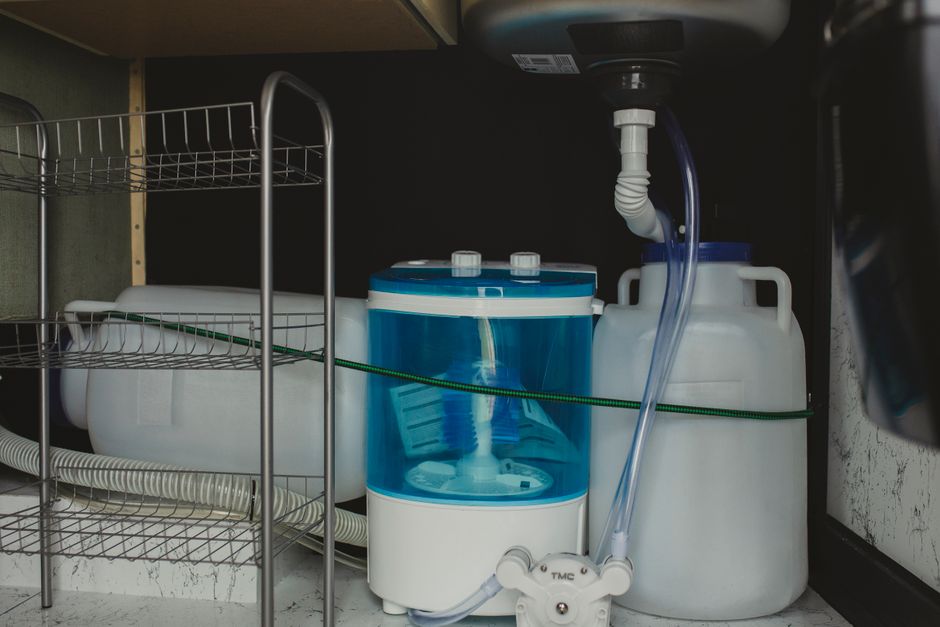
The catch is collection and storage. I run a diverter on one downspout into a 50-gallon food-grade barrel, with a first-flush device that dumps the initial couple of gallons off the roof before storage begins. This matters. Roof runoff picks up bird droppings, asphalt residue, and airborne particulates, and the first flush carries the worst of it. I do not use rainwater collected within 24 hours of a long dry spell for my most sensitive plants.
Store rainwater in opaque containers to prevent algae. Use it within a month or two. If you live near industrial areas or heavy traffic, get one batch tested for pH and heavy metals before you commit; local EPA water quality resources can point you toward affordable testing labs.
Distilled and reverse osmosis: pure water, with a caveat
Both distilled water from the grocery store and RO water from a home system are functionally similar for our purposes: TDS in the low single digits, no chlorine, no fluoride, no heavy metals. For carnivorous plants and epiphytes displayed on wood or in mounted setups, this is what I use exclusively.
The caveat, which almost no beginner guide mentions, is that pure water is aggressive. With no dissolved ions to satisfy its solvent capacity, it will pull minerals out of whatever it touches, including your plant’s roots and leaves. For most foliage plants this is a slow, non-issue process, but growing exclusively on unremineralized RO for years can produce mysterious deficiencies. I add a pinch of a balanced fertilizer at quarter strength to every watering with RO to compensate, and I use a dedicated carnivore-safe supplement for the plants that cannot tolerate fertilizer.
Matching water to plant: a working reference
- Absolutely need low-TDS water (under 50 ppm): Nepenthes, Sarracenia, Dionaea, Drosera, Cephalotus, Heliamphora, most Tillandsia, sphagnum moss.
- Strongly prefer low-TDS water (under 100 ppm): Anthurium warocqueanum, A. regale, A. luxurians, thin-leaved Philodendron species, Alocasia hybrids, Calathea, Maranta, Ctenanthe, Adiantum, most orchid species.
- Tolerate moderate water (up to 200 ppm) if flushed monthly: Monstera, common Philodendron, Hoya, Epipremnum, most Anthurium hybrids, Ficus, Dieffenbachia.
- Genuinely do not care: Sansevieria, ZZ plant, Euphorbia, most cacti and succulents, Aspidistra, Aglaonema.
The flushing routine that saves plants on tap
If you cannot switch water sources and you grow moderately sensitive plants, monthly flushing extends what you can get away with considerably. Once every four to six weeks, take the plant to a sink or tub and pour pure water (distilled, RO, or rain) through the substrate at roughly three times the pot volume. For a 6-inch pot that holds about a liter of soil, that means running around three liters through slowly, letting it drain fully between pours.
This washes accumulated salts, fertilizer residue, and hard-water mineral deposits out of the root zone before they concentrate to damaging levels. It is not a substitute for good water on the plants that need it, but it will keep a Monstera on 250 ppm tap looking good indefinitely.
Reading your plants for water problems
Symptoms of water quality issues are easy to misdiagnose because they overlap with humidity, fertilizer, and pest problems. What tips me off:
Symmetric leaf-tip browning across multiple species in the same room, especially with a crisp brown edge and a yellow halo, points at mineral or chloramine buildup rather than humidity, which usually produces more diffuse browning on the youngest leaves.
Interveinal chlorosis on new growth that does not respond to iron supplementation often indicates alkaline water raising substrate pH and locking out micronutrients.
White crust on soil surface or pot rims within a few weeks of a repot is your water leaving evidence. Fresh soil should look clean for months.
A gradual decline in a plant that used to thrive, with no obvious cause and no pest presence, is worth investigating with a TDS meter before you tear the roots apart looking for rot. For the carnivorous side of the hobby specifically, the International Carnivorous Plant Society grow guides are unusually good on water requirements.
My current setup, for what it’s worth
After years of testing, I settled on a small under-sink RO system with a storage tank that produces about 50 gallons a day. It cost roughly 180 dollars installed and paid for itself against distilled purchases within a year. I keep a 3-gallon glass jug of RO on the counter for daily watering, remineralize it lightly for most plants, and use it neat for carnivores and mounted epiphytes. I still have the rain barrel outside for summer, mostly out of habit and mild superstition, and I use straight tap for my succulent shelf and the herb garden.
The Anthurium warocqueanum, incidentally, is fine now. It took most of a year on clean water to grow out the damage, and the newest leaves are the largest and cleanest it has ever produced. Water was the whole story.
Frequently asked questions
Can I just boil tap water to make it safe for plants?
Boiling drives off dissolved gases and kills microbes, but it actually concentrates minerals slightly because some water evaporates. It does nothing for TDS, fluoride, or chloramine. If your tap is hard, boiling will not help; if it is soft and only chlorinated, boiling briefly or letting it sit overnight accomplishes the same thing.
Is aquarium water good for houseplants?
Yes, and it is one of my favorite freebies. Water from a freshwater aquarium change carries dissolved nitrogen, phosphorus, and trace minerals from fish waste and food, essentially a mild organic fertilizer. Use it within a day of collection, and avoid water from tanks treated with medications or copper-based algaecides. Saltwater is obviously off limits.
Do I need to remineralize RO or distilled water for foliage plants?
For plants that get regular fertilizer, no; the fertilizer supplies what the water lacks. For plants you water without fertilizer, or if you use very dilute feeding schedules, adding a pinch of a balanced fertilizer or a dedicated remineralization product prevents the slow depletion that can develop over years on pure water.
How often should I check TDS?
Test your source water once a season, since municipal supplies shift with reservoir levels and treatment adjustments. Test any collected rainwater at each new fill. If a plant starts declining unexpectedly, test the runoff draining from its pot, which will read much higher than the input if salts have accumulated in the substrate.
Is bottled spring water a good compromise?
Usually not. Most bottled spring waters run 100 to 400 ppm TDS with mineral profiles similar to hard tap water, and you pay a premium for the privilege. If you are buying bottled water for plants, buy distilled instead; it is cheaper and does the actual job you wanted.