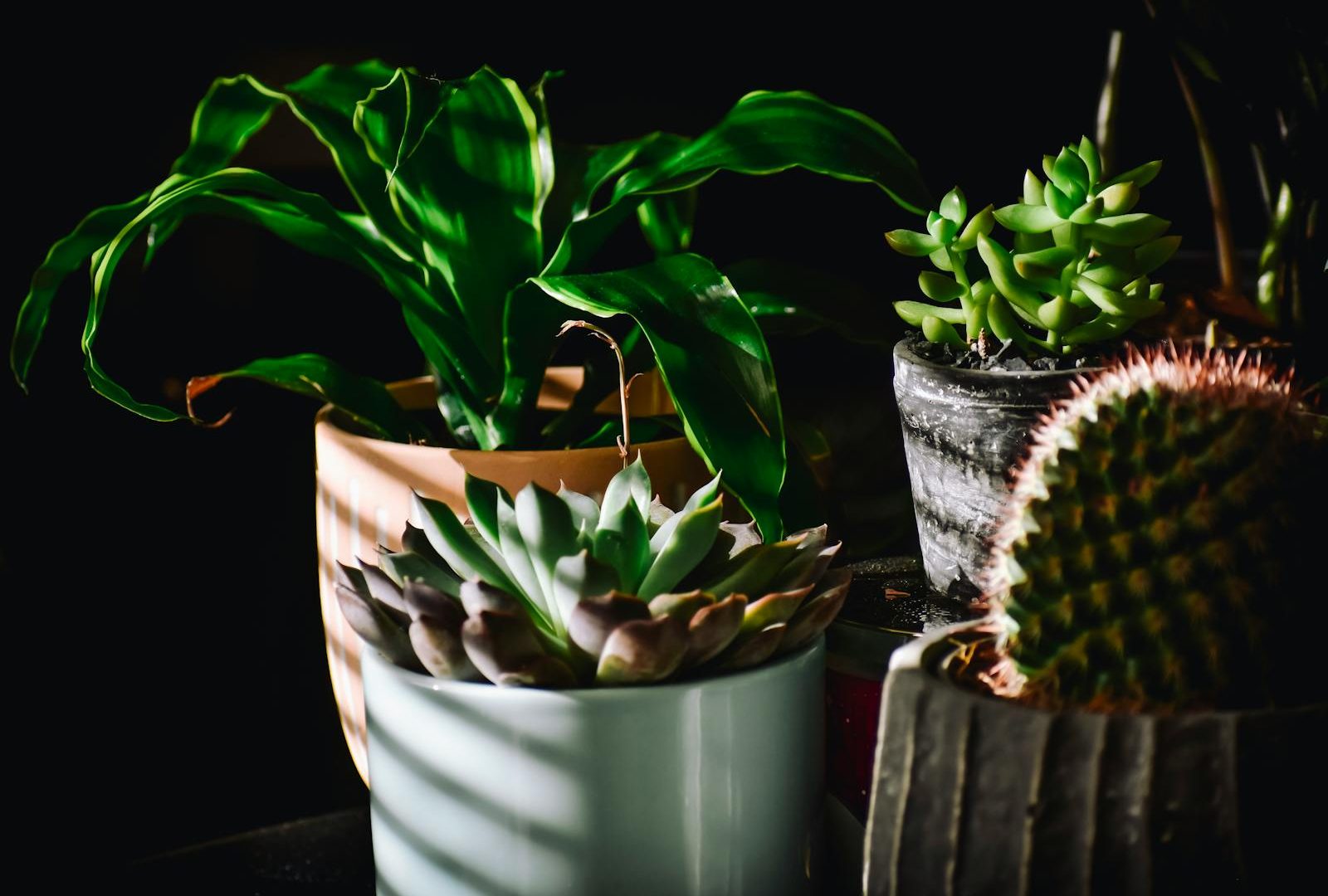
My oldest Dracaena marginata sits three feet from a north window in a room I sometimes forget exists for a week at a time. She has been with me for roughly eleven years, moved apartments four times, and lost exactly one cane to my own overzealous repotting. If you are looking for a houseplant that rewards benign neglect more than fussing, this is the one I keep pointing friends toward, and this is what I have learned about keeping it honestly happy rather than merely alive.
Why this plant suits the distracted collector
The Madagascar dragon tree (now technically Dracaena reflexa var. angustifolia under the current taxonomy, though everyone still calls it marginata) evolved on a dry island where rainfall arrives in pulses. That heritage is why it tolerates the erratic watering schedule of a working adult. Its narrow leaves lose water slowly, its woody canes store reserves, and its root system prefers to run mostly dry between drinks. When I compare my care log against my alocasias, the marginata gets watered roughly one third as often and complains about one tenth as much.
It also grows in low light in a way most houseplants only pretend to. I have kept one in an interior hallway lit by a single 40 watt bulb for a full winter, and while it grew almost nothing, it did not decline. Growth resumed the following spring once I moved it back near a window. That kind of pause-and-resume behavior is rare, and it is what makes the plant forgiving of travel, moves, and the general chaos of a household.
Light that produces color, not just survival
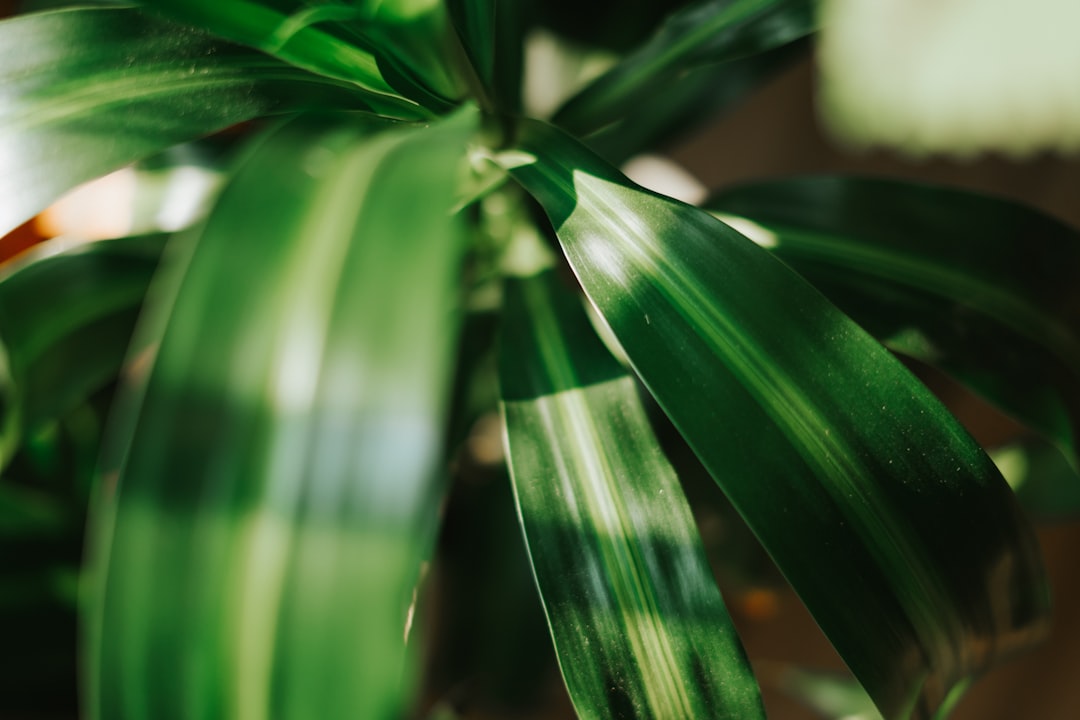
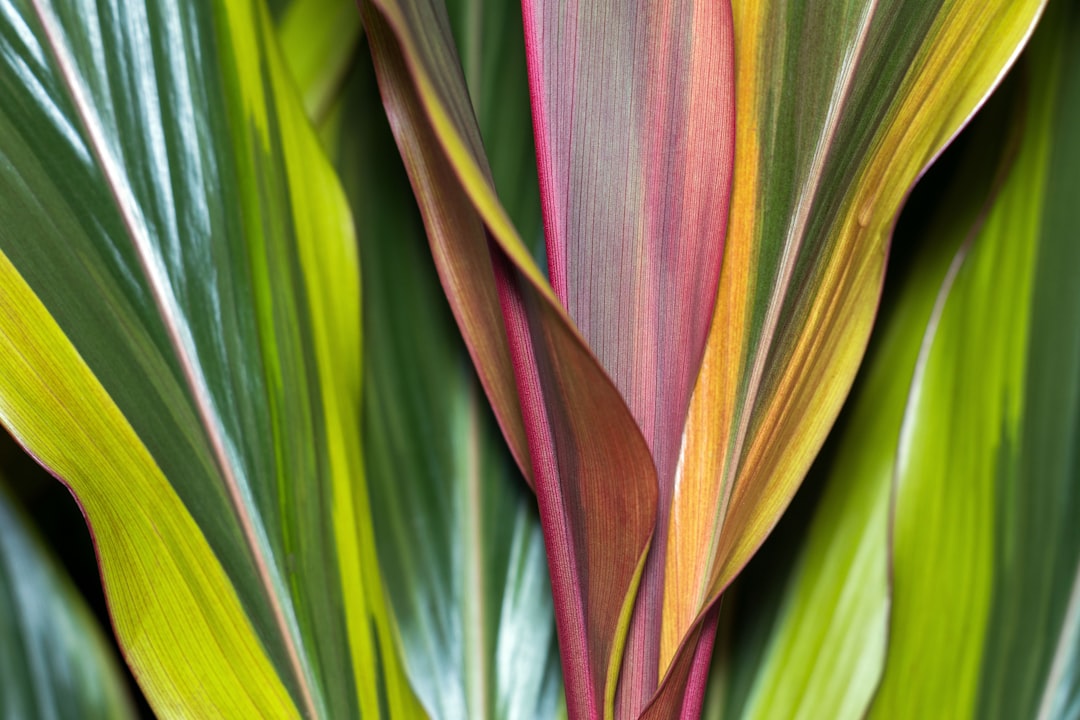
Marginata survives low light, but the red leaf edges (the actual “marginata” of the name) only deepen with brighter conditions. My hallway plant is almost solid green. The one in an east-facing window shows a clear crimson band down every leaf. If you want the coloring the plant is named for, aim for two to four hours of gentle direct sun daily, or bright indirect light for most of the day.
Avoid harsh afternoon western sun through unfiltered glass. I lost a section of foliage one August when a shade dropped and the leaves scorched to a papery beige within about six hours. New growth replaced them, but the affected leaves never recovered. If you use a grow light, something in the 20 to 30 watt range on a 12 hour timer at 18 to 24 inches away is plenty. This is not a plant that needs a horticultural spotlight.
Watering: the single most important thing to get right
More marginatas die from overwatering than any other single cause. The plant would rather be dry for two weeks than wet for two days. My working rule for a 10 inch pot in normal indoor conditions is water thoroughly, then wait until the top three inches of soil are bone dry. In my apartment that means roughly every 14 to 21 days in summer and every 25 to 35 days in winter.
Here is the schedule I keep taped inside a cabinet:
- Lift the pot before watering. If it still feels heavy, wait another three days and check again.
- When it is time, water until at least 20 percent of the volume drains from the bottom. This flushes accumulated salts.
- Empty the saucer within 30 minutes. Standing water is the fastest route to root rot in this species.
- Log the date somewhere. Memory is unreliable; a note on your phone is not.
- In winter, cut the frequency by roughly half and reduce the volume by about one third.
The fluoride problem nobody warns you about
Dracaenas are one of the few common houseplants genuinely sensitive to fluoride and to a lesser degree chlorine. If your municipal water is fluoridated (most US city water is, at around 0.7 ppm), you will eventually see brown leaf tips even with perfect watering habits. I ignored this for years and blamed humidity. The University of Florida IFAS Extension has good notes on the mechanism at their extension publications library if you want the horticultural detail.
The three fixes I have tested:
| Method | Cost | Effectiveness |
|---|---|---|
| Collect rainwater in a lidded barrel | Free after setup | Excellent, no tip burn after 6 months |
| Leave tap water out 48 hours (dechlorinates only) | Free | Partial. Fluoride does not evaporate. |
| Reverse osmosis or distilled water | ~$0.30 per gallon | Excellent but adds a chore |
I now use rainwater from May through October and distilled the rest of the year. The new leaves come in clean, and the tip burn on older foliage stops advancing.
Soil, potting, and the pot that is too big
Marginata wants a fast-draining mix. I use roughly 60 percent standard potting soil, 25 percent perlite, and 15 percent orchid bark. Straight bagged mix stays too wet for too long. Peat-heavy blends are the worst offender because they compact around the roots and hold water against the crown.
The common mistake is potting up too aggressively. This plant likes to be slightly rootbound. When I finally move a specimen, I go up only one pot size (roughly 2 inches wider) and never repot in winter. The last time I skipped that rule and jumped a 6 inch plant into a 10 inch pot, the extra soil stayed wet for a month and I lost half the root system. Restraint is the entire lesson.
Pruning, propagation, and controlling the shape
A marginata that has grown leggy can be cut back hard, and it will branch from just below the cut within about 4 to 8 weeks. I have taken the top three feet off a plant, rooted it in water, and had a new tuft of leaves emerge from the stump a month later. The plant treats decapitation as a mild inconvenience.
- Cut with a clean, sharp blade. I wipe mine with 70 percent isopropyl.
- Keep the cutting at least 6 inches long with a few leaves at the top.
- Root in a jar of water on a bright shelf. First roots appear in 3 to 5 weeks.
- Pot up once roots are 2 inches long. Water sparingly for the first month.
- The parent stump will push new growth from below the cut, usually two or three new stems.
This is how one plant became four in my current rotation. It is also why marginatas show up so often in offices: they are trivially easy to divide and share.
Reading the leaves when something goes wrong
Most of the calls for help I get from friends about their marginata fall into three patterns. Yellow lower leaves on an otherwise healthy plant are usually normal shedding as the cane matures. If the whole plant is yellowing and the soil is wet, you are overwatering. If the tips brown but the leaves are otherwise firm, you are looking at fluoride, salt buildup, or occasionally very low humidity in a heated room. The Royal Horticultural Society has a solid diagnostic overview at their plant advice pages.
Soft, mushy canes are the emergency. That is root rot advancing up the stem, and by the time it is visible above the soil the plant is often past saving. If I catch it early, I unpot immediately, cut the stem back to firm green tissue, let the wound callus for 48 hours in open air, and reroot the healthy top in fresh dry mix. Success rate in my experience: maybe 60 percent.
What eleven years of ownership actually looks like
My original plant is now about 5 feet tall on two canes. It grows perhaps 4 to 6 inches of new height per year, which is slow by houseplant standards and exactly why it stays in scale with a room. It has been repotted three times. It has been through two winters where I forgot to water it for six weeks and dropped nearly all its lower leaves in protest, then fully recovered by June. It has never had a pest problem worth naming. It sits at roughly 68 to 72 degrees F year round, 40 to 55 percent humidity, and gets ignored more than any other plant in the collection.
That, honestly, is the pitch. Not that marginata is easy, but that it forgives the specific mistakes an inattentive person makes. If you travel, if you work long hours, if you have killed pothos by loving it too much, this is a reasonable plant to try next.
Frequently asked questions
Is Dracaena marginata toxic to cats and dogs?
Yes. The ASPCA lists it as toxic to both cats and dogs due to saponins. Ingestion typically causes vomiting, sometimes with blood, and depression or loss of appetite. Symptoms are usually not life-threatening but warrant a vet call. I keep mine on a high plant stand out of my cat’s reach, and I have never seen her show interest in it, but the risk is real.
Why is my marginata dropping green leaves from the bottom?
Sudden green leaf drop, as opposed to slow yellowing, almost always signals a root problem or a major environmental shift. Check for wet soil, then check whether you recently moved the plant to a colder spot or near a cold draft. This plant hates temperatures below 55 degrees F and will drop leaves within days of exposure. Move it back to a warmer location and let the soil dry out fully.
Can I grow Dracaena marginata outdoors?
Only in USDA zones 10 and 11, and even there it needs protection from direct midday sun until acclimated. I summer mine on a shaded porch from June through mid-September, then bring it back inside before nighttime temperatures drop below 55 degrees. The transition in either direction takes two weeks of gradual light adjustment to avoid leaf scorch or drop.
How long does a marginata live indoors?
With basic care, decades. There are documented specimens in botanical collections and office lobbies over 30 years old. The plant is genuinely long-lived and will outlast most of your furniture. That longevity is worth remembering when you buy one, because a 6 inch nursery pot today may need a 14 inch pot and 8 feet of vertical space in fifteen years.
Should I mist it?
No, at least not for humidity purposes. Misting raises ambient humidity for perhaps 20 minutes and does nothing meaningful for the plant. If your room is very dry (under 30 percent RH in winter), a small humidifier running near the plant does more good. That said, an occasional shower under the tap knocks dust off the leaves and keeps them photosynthesizing efficiently, which is worth doing every couple of months.
Frequently asked questions
Do I really need a greenhouse cabinet?
Only if you have or want rare humidity-loving plants and your home has consistently low humidity. For most casual collectors with easy-care plants, a cabinet is unnecessary.
What's the cheapest way to start with a greenhouse cabinet?
Convert an IKEA Milsbo or similar glass-fronted cabinet. With $300-500 for cabinet, lighting, humidifier, fan, and sealing materials, you can house 10-15 small to medium plants.
How much electricity does a greenhouse cabinet use?
$5-20 per month, depending on grow lights, humidifier, and fan usage. Modern LED grow lights are efficient; humidifiers and fans use minimal power.
Can I keep my entire collection in one cabinet?
Probably not, unless your collection is small. Most cabinets house 10-30 plants. Larger collections need multiple cabinets, a custom build, or selective placement.