The first winter I took my collection seriously, I lost a variegated syngonium to what I insisted was a mystery. It was not a mystery. I had kept watering on the same summer rhythm while the apartment dropped to 61 degrees at night, and the roots simply stopped drinking. That single loss taught me that winter wellness with houseplants is not really about the plants at all. It is about slowing myself down to match the pace they have already chosen.
What follows is the cold-season routine I have kept for the last several years, refined by trial and by more than one damp-smelling pot I had to unpot in the sink at 10pm. It is meant for people who keep plants because they enjoy tending them, not because they need another optimized system.
What actually changes for a houseplant in winter
Most tropical foliage I grow originated somewhere between 15 and 25 degrees north or south of the equator. Day length there varies by maybe an hour or two across the year. In my apartment on a north-facing block, December daylight is roughly 9 hours and often gray, while June clears 15. The plants respond to that difference before I do. Photosynthesis slows, transpiration slows, and root activity follows.
Three environmental things shift at once in a heated home:
- Light intensity drops sharply, often by 60 to 80 percent at the same windowsill compared with July.
- Relative humidity crashes when radiators or forced-air heat kick on, sometimes to 22 to 28 percent in my flat by mid-January.
- Ambient temperature swings more, with a warm afternoon high near a sunlit pane and a cold overnight low at the glass.
Any single one of these is manageable. The trouble is that most winter plant problems come from treating one of them in isolation while ignoring the other two.
The morning check that replaced my old watering schedule
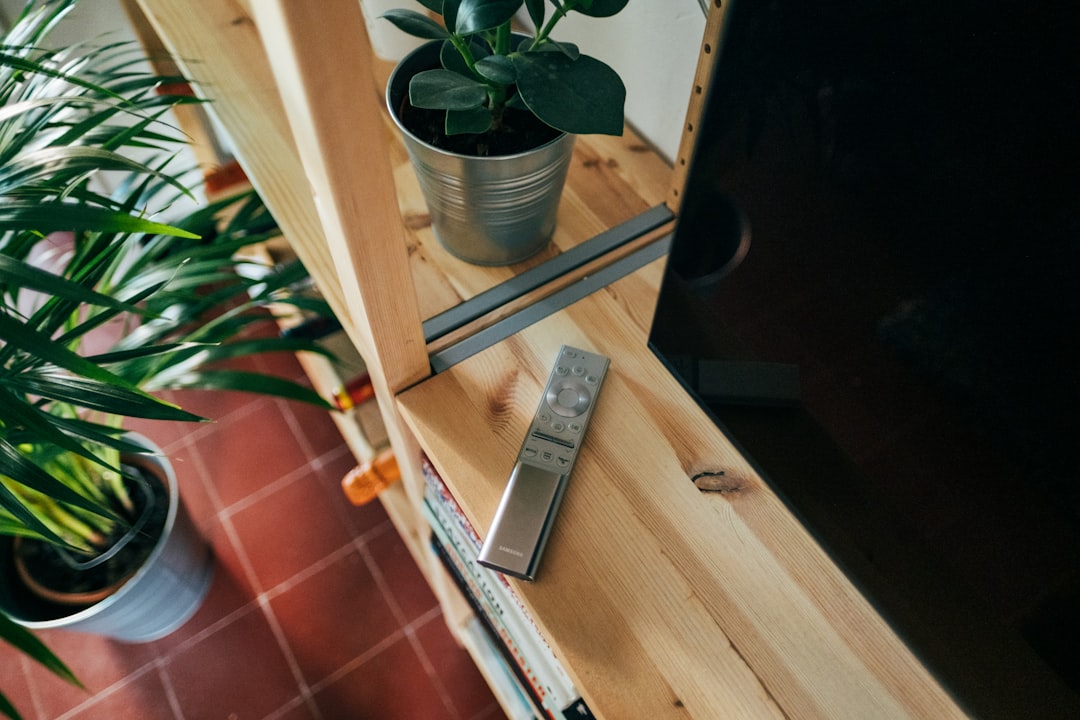
I used to water on Sundays. Now I do a five-minute round every morning with coffee. I lift three or four pots to feel their weight, glance at the hygrometer sitting on the middle shelf, and press a wooden skewer into the substrate of anything that looked thirsty yesterday. If the skewer comes out clean and dry at 2 inches down, that plant gets water. If it comes out cool and dark, I wait.
This sounds fussy on paper. In practice it takes less time than my old ritual of dragging the watering can around every pot on a fixed day, and it has cut root rot to essentially zero. Winter watering is not a schedule problem. It is a listening problem.
My weekly winter care rhythm
I keep the routine written on an index card taped inside a cabinet door. Nothing on it is urgent on any given day, which is the point.
| Day | Task | Why it matters in winter |
|---|---|---|
| Monday | Weight-check every pot, water only those that read light | Cold substrate holds water 2 to 3 times longer than in summer |
| Wednesday | Wipe leaves on 4 to 5 plants with a damp microfiber | Dust cuts already-scarce light reaching the leaf surface |
| Friday | Refill humidifier, check hygrometer placement | Heaters run harder overnight; humidity dips are worst by dawn |
| Saturday | Rotate plants a quarter turn, inspect underside of 3 leaves | Low-light phototropism and slow-multiplying spider mites both appear early |
| Sunday | Sit with the collection for 20 minutes, no phone | You will notice the first sign of a problem days before an app would |
The Sunday item is not sentimental filler. Most of the issues I have caught early, from a beginning thrip infestation to a heater vent that had shifted and was blasting a philodendron, I saw because I was sitting quietly rather than scrolling through pest ID posts.
Humidity without the theater
I ran misting bottles for two winters before I admitted they mostly wet the leaves for 12 minutes and did nothing measurable to ambient humidity. A single ultrasonic humidifier of about 4 liter capacity, placed on the floor at the base of my main shelf and running roughly 10 hours overnight, lifts my grow area from the high 20s to a steady 52 to 58 percent. That is enough for anthuriums, calatheas, and most philodendrons to hold their leaves without crisping.
Two things matter more than the humidifier itself. First, air movement: a small clip fan on the lowest setting, aimed at the ceiling rather than the leaves, keeps humid air from settling into stagnant pockets where fungal spots love to start. Second, placement of the hygrometer at leaf height, not shelf height. A gap of 18 inches vertically can read 15 percentage points different in a heated room.
The University of Vermont Extension has a plain-language write-up on low winter humidity that matches what I see at home, and it is worth reading if you are new to hygrometers.
Light: the honest reckoning
Every winter I do one measurement that keeps me honest. I use a cheap lux meter, or the light meter in the Photone app on my phone with the recommended diffuser paper, and I read every plant location at noon on an overcast January day. Not on a sunny day. The cloudy reading is the one my plants actually live with most of the season.
The numbers that guide me:
- Under 400 foot-candles at leaf height: nothing tropical will thrive here in winter without supplemental light.
- 400 to 800 foot-candles: hoyas, sansevierias, pothos, most philodendrons hold steady but do not grow.
- 800 to 1500 foot-candles: anthuriums, alocasias, and variegated aroids can push slow new leaves.
- Above 1500 foot-candles at a winter window: rare and usually only in a south-facing bay by midday.
Where the reading disappoints, I add a small LED bar rated around 20 to 30 watts, on a mechanical timer for 10 to 12 hours starting an hour before sunrise. I do not run grow lights around the clock. Plants need the dark half of the cycle to metabolize, and I need to sleep in a room that is not glowing pink.
What I stop doing until March
The most useful thing I did for my collection was write a short list of things I actively pause during winter. Reducing input is a real form of care.
- No fertilizer from mid-November through late February, except for plants under strong supplemental light that are still pushing leaves.
- No repotting unless a plant is genuinely failing, in which case the diagnostic unpotting is the point, not the upsize.
- No new plant purchases for the first six weeks of the year, a rule I made after realizing how many of my late-January impulse buys had struggled with the shipping cold.
- No propagation cuts on slow-growing rare aroids; the callus and root response is much weaker at 65 degrees than at 78.
- No leaf shine products, ever, but especially not in winter when clogged stomata compound every other stress.
Caring for the person doing the caring
This is a slow-living column, so I will say the quiet part. Winter is when I most need my plants and least need to fuss at them. The morning weight-check has become a small anchor on gray mornings. The Sunday sit is honestly closer to meditation than horticulture. My hygrometer sits next to a SAD lamp I use for 20 minutes at breakfast, and both of us benefit from the same measured attention to light, water, and rest.
If you find yourself over-watering, over-misting, or moving pots around every three days, treat that as data about your own winter more than about the plants. Mine tell me every year that steadiness matters more than intervention. The RHS has a gentle general winter houseplant care guide if you want a second voice, and it lines up with the slower approach I keep coming back to.
Frequently asked questions
How often should I water tropical houseplants in winter?
There is no calendar answer that works. Cold substrate can stay wet for 10 to 14 days in a pot that dried in 4 days last July. I weigh pots or probe with a wooden skewer to 2 inches depth every 2 to 3 days and water only what reads dry. Most of my plants get watered every 10 to 18 days from December through February.
Is 40 percent humidity enough for anthuriums and calatheas indoors?
It is the low edge of workable. My anthuriums hold shape at 45 to 50 percent and stop crisping new leaf edges above 55. Calatheas are less forgiving and will curl and brown at anything under 50 percent for extended stretches. Steady humidity matters more than a high peak, so a small overnight humidifier beats occasional misting.
Should I move my plants away from cold windows in winter?
Yes, if the leaves are touching the glass or the overnight temperature within 2 inches of the pane drops below about 55 degrees. I keep a cheap probe thermometer at windowsill height for a week each November to see which spots are genuinely cold. Plants that need the light more than they mind the chill, like hoyas, stay put; sensitive aroids move back 8 to 12 inches.
Can I still fertilize houseplants during winter?
Only the ones that are actively pushing new growth under supplemental lighting. For everything else, feeding in low light is like pouring gasoline in a parked car. I resume dilute weekly feeding around the spring equinox when I can see roots exploring near the pot walls again.
Why are my houseplant leaves dropping suddenly in January?
The two usual culprits in my flat are a heater cycling on that dropped humidity into the low 20s overnight, and a substrate that stayed cold and wet for a week after a routine watering. Check the hygrometer at leaf height and lift the pot. If it feels heavy and cool, you have your answer before you touch a bottle of anything.
Frequently asked questions
What is slow plant living?
It is the practice of caring for plants on their own terms — not forcing growth or optimizing for maximum output, but accepting their natural pace and developing consistent attention.
How is this different from regular plant care?
Regular plant care is often task-oriented and outcome-focused. Slow plant living is practice-oriented and relationship-focused. Both can produce healthy plants, but the experience and meaning differ.
Will this approach mean my plants grow slower?
Not necessarily slower — but you stop trying to push beyond what plants want. The growth pace becomes the plant's natural pace, which is usually fine and sustainable.
Can I combine slow plant living with serious collecting?
Yes. The two are compatible. Serious collectors often practice slow plant living because it produces better outcomes than aggressive optimization.