My apartment used to hold forty-three plants, and I could not have told you a single one of their names without walking over and turning a leaf. That was the summer I decided to try the one plant per room approach, more out of exhaustion than aesthetic conviction. Six months later my collection had shrunk by roughly seventy percent and the remaining plants were, without exception, healthier, larger, and more present in the rooms they occupied. This piece is about how I made those choices, what I keep learning about restraint as a design principle, and where the rule bends when a room genuinely calls for more.
I want to be upfront: this is not minimalism as an identity. I still buy plants I cannot afford. The difference is that each new arrival now has to earn a specific spot from a specific existing occupant, which turns out to be a very effective filter.
Why one plant per room actually works
The strongest argument for the approach is not visual, it is horticultural. When I had four philodendrons crowded onto one shelf, I watered on Sundays regardless of what any individual plant needed. Grouped plants also trap humidity and encourage fungal issues if airflow is poor; the University of Maryland Extension notes that most common houseplant diseases are aggravated by stagnant, humid air around foliage, which is exactly what a crowded shelf produces in a heated winter room.
Isolating one plant per room forces you to read that plant. You notice the new leaf unfurling on Tuesday. You catch the pale edema spots on the underside before they spread. The plant becomes a subject, not a texture.
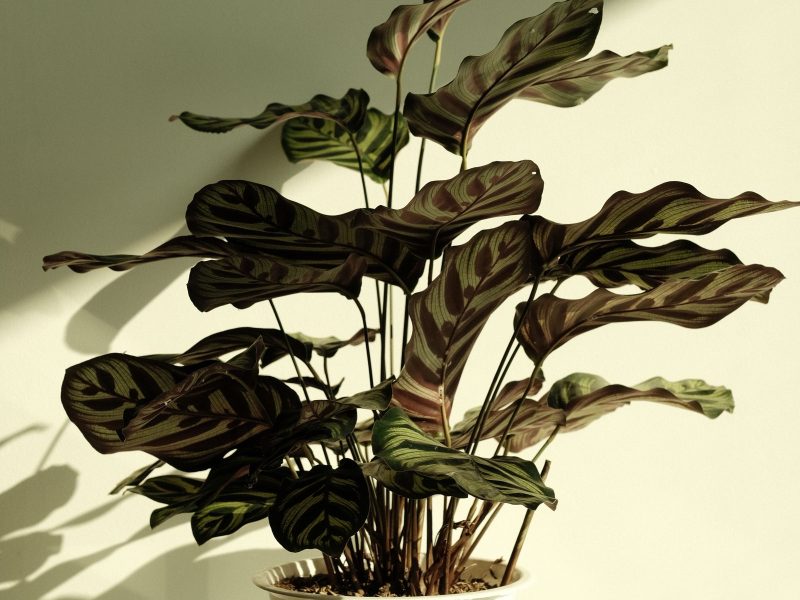
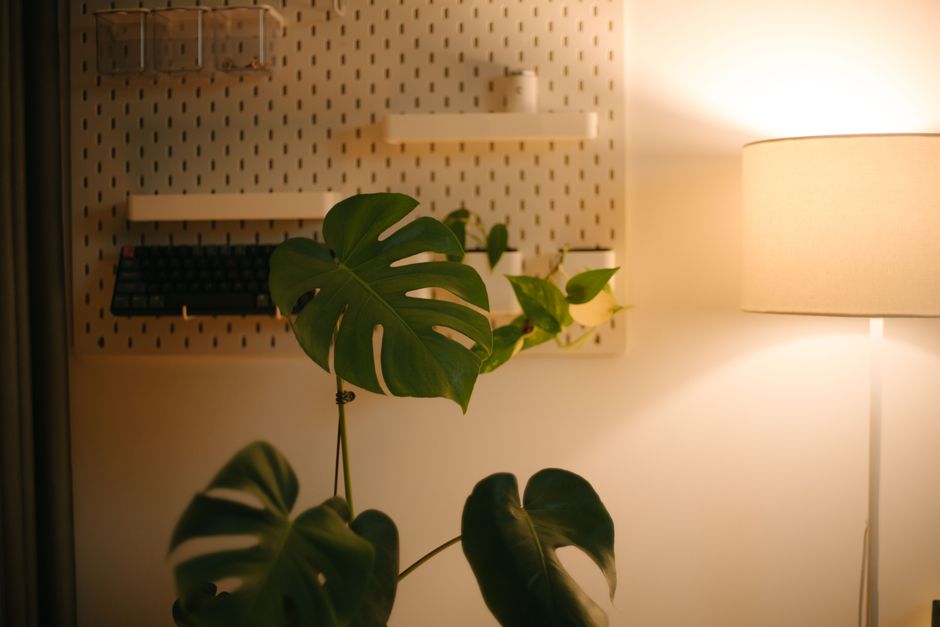
Visually, the effect is subtler. A single well-placed specimen reads as intentional; three read as a collection; seven read as clutter unless the room was designed as a plant room. My living room, previously a jungle wall of pothos and small aroids, went to a single mature Monstera deliciosa on a moss pole in the corner near the window. The room got quieter. Guests actually commented on the plant for the first time in years.
How I picked the one plant for each room
I worked through the apartment room by room over about three weekends. The selection criteria I settled on, roughly in order of weight:
- Match the light honestly. I used a cheap lux meter app at three times of day (9am, 1pm, 4pm) for a full week before assigning any plant. A north-facing bedroom that reads 150 lux at noon is not going to hold an Alocasia zebrina, no matter how much I want it to.
- Match the humidity the room already has. My bathroom sits around 65 percent RH after showers; my west-facing office averages 32 percent in winter with the radiator on. I stopped trying to correct those with humidifiers in every room and instead placed plants that suit each baseline.
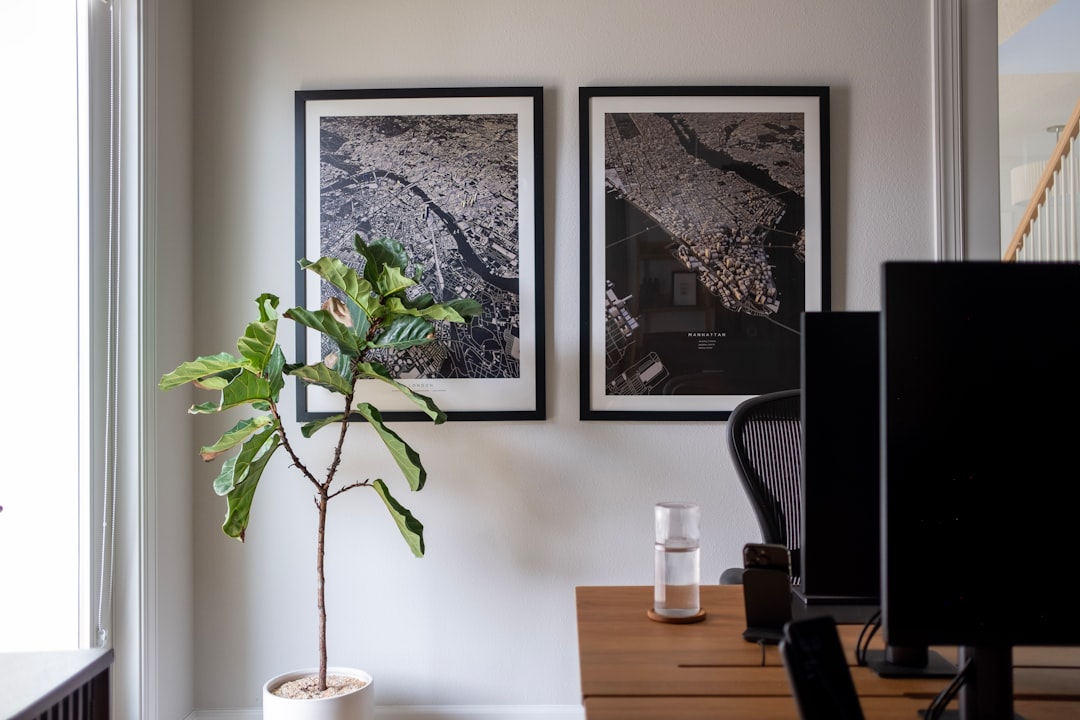
- Match the room’s visual weight. A tall room with a high ceiling can absorb a six-foot Ficus lyrata. A galley kitchen cannot, and putting one there just makes both the plant and the room look wrong.
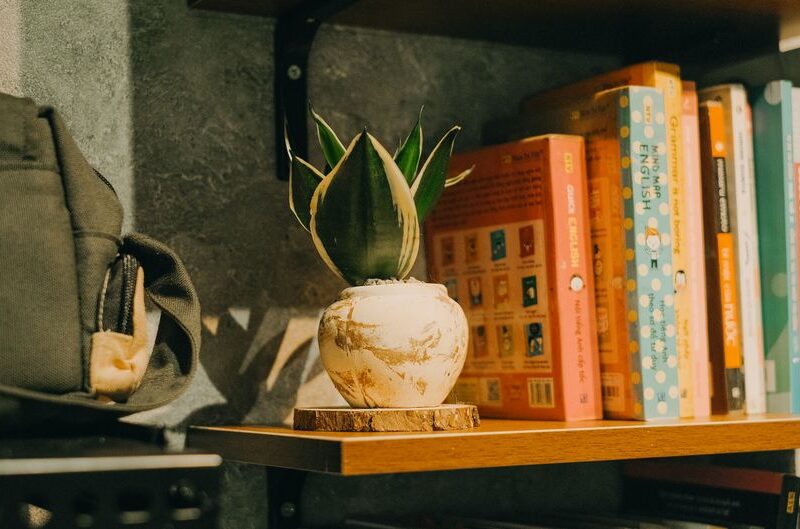
- Match my honest attention budget for that room. The guest room gets checked twice a week at most, so a Sansevieria trifasciata went there. The living room is where I sit in the evenings, so the Monstera got the demanding spot.
- Leave room to grow. Every specimen was chosen expecting it to double in size. If the room could not hold a mature version, I did not put it there.
My room-by-room specification sheet
I keep the assignments written down inside a small notebook by the front door. It looks approximately like this, and I update it when a plant moves or gets replaced.
| Room | Light (lux, midday) | Winter RH | Plant chosen | Why it fits |
|---|---|---|---|---|
| Living room, east corner | ~1200 | 38% | Monstera deliciosa on 48 inch pole | Room is tall, gets long morning light, I am here daily |
| Bedroom, north wall | ~180 | 42% | Zamioculcas zamiifolia | Tolerates low light, forgives inconsistent watering |
| Bathroom, over tub | ~400 | 65% | Platycerium bifurcatum, mounted | Humidity from showers, filtered light through frosted glass |
| Kitchen, above sink | ~900 | 45% | Small Epipremnum aureum in ceramic | Handles temperature swings and cooking humidity |
| Office, west window | ~2400 | 32% | Ficus elastica ‘Tineke’ | Bright afternoon sun, room is dry, I want something graphic to look at |
| Guest room, south corner | ~700 | 36% | Sansevieria trifasciata | Neglect tolerant, low water needs, sculptural |
Six rooms, six plants. There are also two propagations rooting in the kitchen at any given time, but I do not count those as residents.
Choosing the specimen, not just the species
Once the species is right for the room, the individual plant matters more than most guides admit. At the nursery I now look for four things before I hand over a card:
- Root system visible through drainage holes, white or cream, not brown or mushy
- New growth actively emerging, not just older mature leaves
- No pests in the leaf axils or under leaves (I bring a small flashlight)
- Symmetry that suits how the plant will be viewed in its room, not just from the front on the shelf
That last criterion took me longest to learn. A Ficus lyrata that looks perfect facing the aisle at the shop will have a bare back that faces you every time you sit on the sofa. The Royal Horticultural Society has a plain-language guide to selecting houseplants for specific room conditions that is worth reading once even if you already know the theory.
Where the one plant per room rule bends
The rule is a heuristic, not a religion. Three cases where I break it on purpose:
Rooms designed as plant rooms. If a sunroom, an enclosed porch, or a dedicated growing corner exists, it should be full. The visual logic there is that the plants collectively become the feature. My friend’s converted breakfast nook holds thirty aroids under grow lights and it works precisely because that room has no other job.
Grouped species that need each other. Ferns in the bathroom often do better as a small cluster because they raise the local humidity for each other. If I ran a bathroom with two windows, I would happily put three ferns there and call it one visual unit.
Temporary quarantine or recovery. Any new plant lives on the kitchen counter alone for three weeks before joining its assigned room, per standard practice recommended by university extension services that outline quarantine as the single most effective pest prevention step. This is the one place my rule collapses regularly, and I accept it.
What changed after six months of restraint
The measurable outcomes surprised me. Water usage dropped: I was going through roughly nine gallons a week across the collection and now use closer to three. Time spent on plant care went from an accepted two hours every Sunday to about forty minutes total across the week, spread naturally through my routines. Pest incidents dropped to zero for four straight months, which had never happened before.
The unmeasurable change was bigger. I started noticing my plants again. The Monstera pushed out its first fully fenestrated leaf in the new spot after about eleven weeks, and I saw the whole unfurling happen because there was nothing else in that corner competing for the glance. That is what the approach is really about, at least for me. Restraint is not the goal; attention is.
Frequently asked questions
Does one plant per room mean I have to get rid of plants I love?
Not necessarily. Rehoming to friends is one option, but so is dedicating a single room or shelf to a “collection” and treating the rest of the home as one-per-room. I gave about a dozen plants to a coworker who was setting up her first apartment, sold three larger specimens, and kept two on a plant shelf in the office as an exception. The rule is a design tool, not a purge order.
How do I choose between two plants I want for the same room?
I default to whichever plant matches the room’s actual conditions with less intervention. If both fit, I pick the one whose mature form suits the sight lines. If both still tie, I keep the one I have owned longer, because it has already proven it can survive my care in this apartment.
What if a room has no natural light at all?
Consider a supplemental grow light rather than forcing a low-light plant into a spot it will slowly decline in. A single 20 watt LED grow bulb in a standard lamp fixture, run 10 to 12 hours daily on a timer, can lift a corner from 80 lux to a workable 500 lux at leaf height. If supplemental light is not an option, treat the room as plant-free and put your energy into the rooms that can support living things well.
Is this approach practical for renters who move often?
Especially so. Fewer plants means an easier move and less loss when conditions change in the new place. When I moved last, I could carry every plant in two trips in my own car, and reassessing the light in each new room took a single week rather than a month of triage.
Do I still need a moss pole, humidifier, or grow light if I have only one plant per room?
Only where the plant needs it. A single Monstera in a bright room still climbs better with support, so the moss pole stays. A Sansevieria in a dry guest room does not need supplemental humidity. Restraint should extend to the accessories too; buy the equipment the specific plant asks for, not the equipment the internet says every collector owns.
Frequently asked questions
What is slow plant living?
It is the practice of caring for plants on their own terms — not forcing growth or optimizing for maximum output, but accepting their natural pace and developing consistent attention.
How is this different from regular plant care?
Regular plant care is often task-oriented and outcome-focused. Slow plant living is practice-oriented and relationship-focused. Both can produce healthy plants, but the experience and meaning differ.
Will this approach mean my plants grow slower?
Not necessarily slower — but you stop trying to push beyond what plants want. The growth pace becomes the plant's natural pace, which is usually fine and sustainable.
Can I combine slow plant living with serious collecting?
Yes. The two are compatible. Serious collectors often practice slow plant living because it produces better outcomes than aggressive optimization.