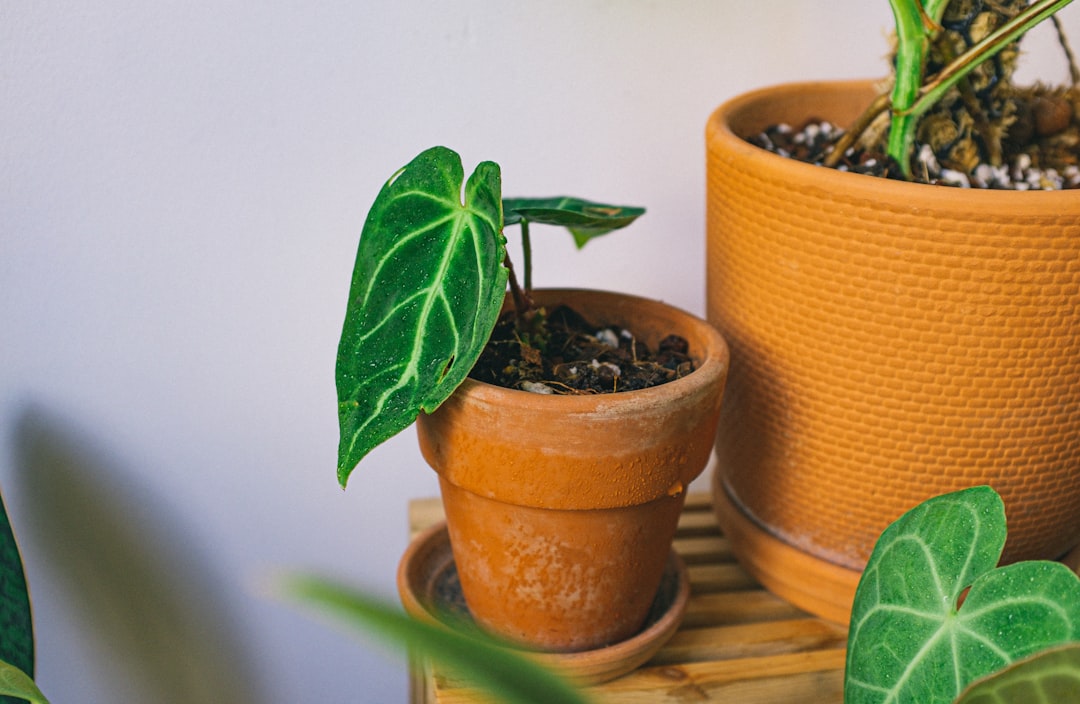
My Anthurium magnificum arrived on a Tuesday in early spring, wrapped in three layers of newspaper and a heat pack that had gone cold somewhere over the Rockies. Two of its four leaves were creased. The third had a chocolate-brown spot the size of a nickel. I put it in a west-facing window because that is where I had space, watered it because the moss felt dry, and by the end of the month it had lost every leaf it came with. This is the post I wish someone had handed me the day that box showed up.
Why this plant humbled me
Magnificum is not a beginner anthurium. The velvet on its leaves comes from a layer of specialized cells that hold water differently than glossy foliage does, which means it reads humidity swings faster and punishes them harder. I had grown a Clarinervium for two years without incident and assumed the care would translate. It did not. Clarinervium tolerates the mid-40s on the hygrometer. Magnificum starts thinning its new growth below 65% and stalls entirely below 55% in my experience. That single number was the difference between a plant that limped along and one that finally pushed a leaf larger than the one before it.
The setup that finally worked
After the collapse I moved the remaining stub of rhizome into an IKEA Milsbo cabinet with a small clip fan, a 24-watt LED bar on a 12-hour timer, and a shallow tray of expanded clay pebbles kept wet. Ambient humidity settled between 72 and 80% depending on the season. Temperatures ran 68 to 76 degrees Fahrenheit. Nothing exotic. The point was consistency, not perfection.
I gave it about 150 to 200 foot-candles at leaf height, which is roughly what a bright north window offers in summer. Direct sun on velvet foliage burns a permanent pale ghost onto the leaf within a couple of hours, and I have the ruined Clarinervium leaf in a drawer to prove it.
Substrate: the mix I keep coming back to
Magnificum wants a chunky, airy medium that holds moisture without staying wet. After trying three variations I settled on the mix below. Volumes are approximate; I scoop by the handful.
| Component | Ratio | Why it earns its spot |
|---|---|---|
| Orchid bark (fine to medium) | 40% | Structure and air pockets for the thick roots |
| Coco chips, rinsed | 20% | Slow-release moisture without souring |
| Perlite (chunky, #3) | 20% | Drainage insurance against my heavy hand |
| Sphagnum moss, torn | 15% | Buffers humidity around the root ball |
| Horticultural charcoal | 5% | Keeps the mix sweet between repots |
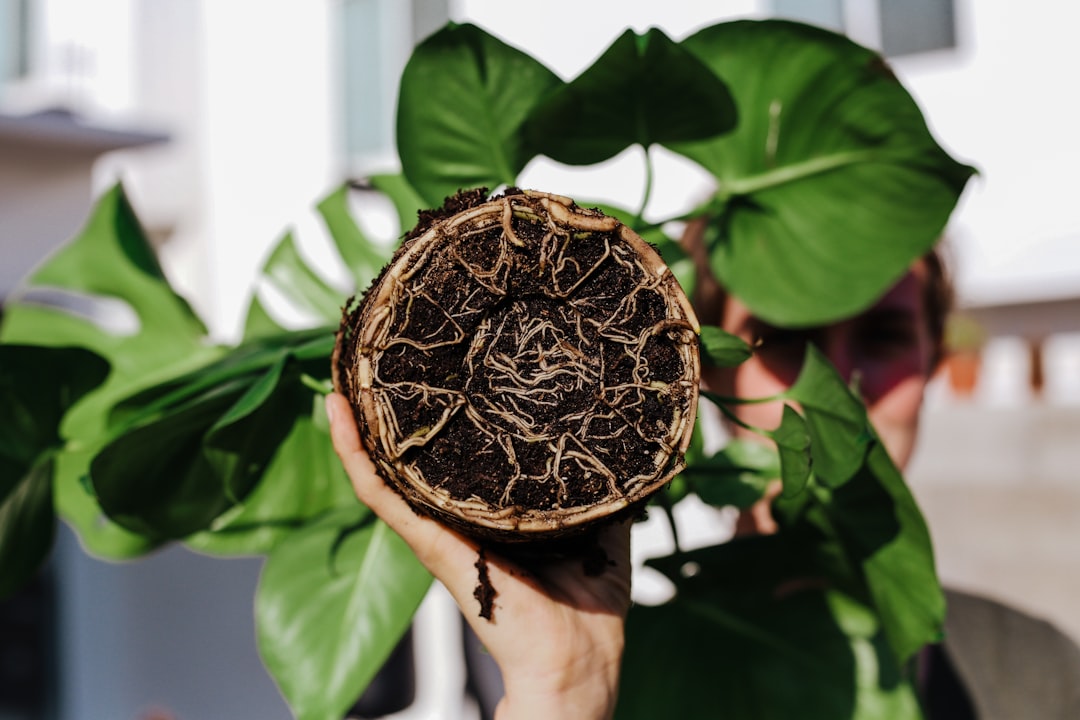
I water when the top inch of the mix reads about 30% on a cheap probe meter, usually every 5 to 7 days in the cabinet. In winter that stretches to 9 or 10. The root system tells the truth faster than any schedule: healthy magnificum roots are pale green under the surface layer, firm, and smell faintly like clean bark.
The recovery protocol, step by step
When mine crashed, I stopped guessing and worked through a checklist. If you are staring at a magnificum that has dropped leaves, try this in order before you buy anything new.
- Unpot completely and rinse the roots under lukewarm water. Any root that squishes between your fingers is gone.
- Trim dead tissue back to firm, cream-colored core with sterilized snips. I flame the blade for three seconds between cuts.
- Dust the wounds with cinnamon or a light coat of sulfur powder. Let the plant air on a paper towel for 30 minutes.
- Rehome into fresh, barely damp sphagnum inside a clear deli container with the lid cracked. This is a temporary ICU, not a permanent pot.
- Keep the container at 72 to 78 degrees Fahrenheit with indirect light. No fertilizer for four weeks.
- Watch for a single new root tip. When you see one longer than a centimeter, transition to the substrate mix above.
Mine sat in that deli container for six weeks before it pushed a root. I nearly threw it out at week five. Patience is the least glamorous part of collector care and the most important.
Feeding without wrecking the roots
Velvet anthuriums are light feeders. I use a balanced synthetic at a quarter strength (roughly 100 ppm nitrogen) every second watering during active growth from March through October, and nothing at all from November through February. Organic amendments like worm castings work, but in a closed cabinet they attract fungus gnats within a week, so I skip them here.
Signs I am overfeeding: crispy leaf tips within a month, a white crust on the substrate surface, and new leaves that emerge smaller than the previous one despite good humidity. When I see that combination I flush the pot with three pot-volumes of plain water and pause feeding for a month.
Pests and problems I have actually seen
- Thrips, silvery streaks on new leaves. Treat with weekly spinosad sprays for three cycles, isolating the plant.
- Spider mites, rare in high humidity but possible near a fan. Wipe leaves with a damp microfiber and raise humidity above 70%.
- Bacterial blight, water-soaked lesions with yellow halos. Isolate, remove affected leaves, and cut watering by half for two weeks.
- Edema, small corky bumps on the underside of leaves. Usually a sign the roots drank faster than the leaves could transpire. Adjust airflow.
I keep a small notebook on top of the cabinet and write one line every time I water, feed, or notice something odd. Reading back over six months of entries has caught more slow problems than any single inspection ever has. The Missouri Botanical Garden’s Plant Finder and the University of Florida IFAS extension notes on anthuriums have both saved me from a bad guess more than once.
What a good year looks like
Mine now pushes a new leaf roughly every 8 to 10 weeks in the growing season. Each one comes out bronze, hardens off over about three weeks, and settles into the deep matte green with silver venation that made me want the plant in the first place. The current largest leaf is about 14 inches long. That is modest by collector standards, and I am fine with it. Rushing this species is how I ended up with a bare rhizome in the first place.
Frequently asked questions
Is Anthurium magnificum harder than Anthurium clarinervium?
In my experience yes, mostly because magnificum is less forgiving of humidity swings and prefers a chunkier substrate. Clarinervium will coast at 45 to 55% humidity. Magnificum stalls there. If you can hold 65% or higher reliably and you already grow a velvet anthurium well, the jump is manageable.
Can I grow magnificum outside a cabinet?
You can, if your home sits above 60% ambient humidity year round and you have gentle indirect light. Most heated indoor spaces in winter drop to 25 to 35%, which is the main reason open-shelf attempts fail. A pebble tray alone will not close that gap; it lifts local humidity by maybe 5 percentage points.
How often should I repot?
Every 18 to 24 months, or when roots start circling the pot and the substrate breaks down into fines. I go up one pot size only, from a 4-inch to a 5-inch for example, because oversized pots hold too much moisture around the root zone and invite rot.
Why are the new leaves smaller than the old ones?
Usually one of three things: light too low, humidity too low, or root damage from a recent overwatering. Check the roots first because that is the fixable variable that most people ignore. If the roots look healthy, raise light before you raise fertilizer.
Is magnificum a hybrid?
The straight species is not a hybrid, but a lot of what sells as magnificum in casual marketplaces is actually a magnificum crossed with something else, often clarinervium or a similar velvet species. The Royal Horticultural Society’s plant database is a reasonable starting point if you want to verify what you have, though provenance from a known collector is the only real proof.
What the crash taught me
I used to think caring for a rare aroid meant buying the right gadgets. The magnificum taught me it means paying attention on a schedule. A hygrometer I actually read, a probe I actually push into the substrate, a notebook I actually open. The engineering is quiet. The plant does the rest, slowly, on its own timeline, and my job is mostly to stop interfering.
]]>Frequently asked questions
What is the biggest mistake people make with Anthurium magnificum?
Using too dense a substrate. Magnificum is more strictly epiphytic than many other anthuriums, and its roots cannot tolerate substrate that holds moisture for long. Sixty percent or more chunky bark and perlite, with very little organic content, is what works.
Can Anthurium magnificum survive without a humidifier?
Not reliably in most homes. Below fifty percent humidity, leaves come in progressively smaller. Below forty percent, the plant declines visibly. If you cannot maintain higher humidity, consider an easier velvet species like clarinervium.
How long does it take for a stressed magnificum to recover?
Three to six months minimum, sometimes longer. Recovery is gradual — the first new leaf may be smaller than older leaves but in better condition. Each subsequent leaf should be a small improvement.
Should I fertilize a struggling Anthurium magnificum?
No. A stressed plant cannot use fertilizer effectively and the salts can accumulate in the substrate, worsening root issues. Wait until the plant has resumed regular growth before resuming gentle feeding.