My substrate shelf looks like a small hardware store. Three grades of orchid bark, two bags of pumice, coco chips soaking in a bucket, charcoal in a jar, worm castings sealed away from the fungus gnats, and a stack of stainless scoops. It looks excessive until you repot forty plants a year and notice which mixes keep roots white six months on, and which turn to sour mud by month three. The recipes below are the ones that have earned a permanent spot on that shelf.
None of this is theoretical. Every ratio here has been through at least two full growing seasons on my racks, at roughly 62 percent average humidity with a mix of LED lighting and one grow tent running higher. I am a hobbyist, not a nursery, and my batches are small. That is the scale most collectors work at, so it should translate.
Why I stopped buying premixed aroid soil
The bagged “aroid mix” I bought for years had the right idea and the wrong particle size. Bark that felt chunky in the bag compressed within two months, the coco content was too fine, and pH drifted low as the peat broke down. Two Philodendron gloriosum lost roots in the same batch before I finally cut open a rootball and understood what was happening. The mix had become a wet sponge with air pockets only near the pot wall.
Building my own solved three problems at once. I could match particle size to root diameter, I could keep the mineral fraction high enough to resist compaction, and I could adjust one variable at a time when a plant looked unhappy. The ingredient costs work out to roughly 30 to 40 percent less than premixed once you buy in reasonable quantities.
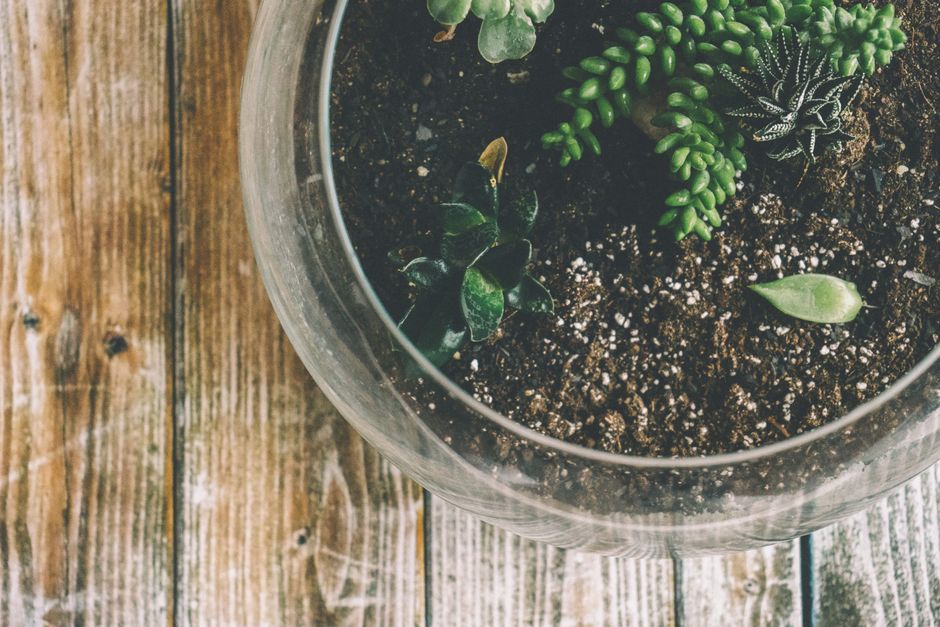
The five ingredients I actually keep on hand
A serious collection does not need twenty amendments. It needs five that behave predictably.
- Fir or pine bark, small grade (1/4 to 1/2 inch). The backbone of every aroid mix I make. I look for bark that has been aged or composted for at least three months so the tannins have leached out. Fresh bark can lock up nitrogen for weeks.
- Pumice (1/4 inch). Heavier than perlite, does not float to the top when you water, and holds a modest amount of moisture inside its pores. I pay more for pumice than for perlite and consider it the single best upgrade a collector can make.
- Perlite, coarse grade. Still useful where weight is a problem, such as very tall pots on shelves. I sift out the dust before adding it.
- Coco chips, not coir. Chips (roughly 1/2 inch cubes) rehydrated and rinsed twice to remove salt. They provide the water-holding component without the airlessness of peat.
- Horticultural charcoal. A handful per gallon. I am agnostic about the drainage claims, but it keeps the mix smelling clean and buffers minor swings in fertilizer salts.
Worm castings and a pinch of slow-release fertilizer go in at repot, but I treat those as seasoning rather than structural ingredients.
The three mixes that cover 90 percent of my collection
I stopped trying to give every genus its own recipe. Three base mixes, tweaked slightly for individual plants, handle almost everything on my shelves.
Chunky aroid mix
Ratio by volume: 4 parts bark, 2 parts pumice, 1 part coco chips, 1 part perlite, a handful of charcoal per gallon of finished mix. This is what my mature Philodendron, Monstera, and Anthurium clarinervium go into. Water passes through in under ten seconds when poured, and the mix stays lightly damp for about four to six days at my humidity.
Fine aroid and seedling mix
Ratio: 2 parts bark (sifted to 1/4 inch), 2 parts pumice, 2 parts coco chips, 1 part perlite, a small amount of worm castings. Used for unrooted cuttings, young sellowianum-type philodendrons, and anything whose roots are thinner than a pencil lead. Holds moisture roughly twice as long as the chunky mix, which is what small roots need before they can bridge air gaps.
Hoya and epiphyte mix
Ratio: 3 parts bark, 3 parts pumice, 1 part coco chips, 1 part charcoal, no perlite. Very free-draining. I water this mix to runoff and expect it to be nearly dry within three days. Most of my hoyas, Rhaphidophora tetrasperma, and epiphytic ferns are in this blend and root faster than they did in anything peat-based.
How the mixes compare in practice
The differences are easier to see side by side. These numbers come from my own bench notes, watering the same 4 inch nursery pots on the same day and weighing them at intervals.
| Mix | Drain time (4 in pot) | Days to lightly dry | Best for | Repot cadence |
|---|---|---|---|---|
| Chunky aroid | 6-10 seconds | 4-6 days | Mature aroids, thick roots | 18-24 months |
| Fine aroid | 15-25 seconds | 7-10 days | Seedlings, thin roots | 12 months |
| Hoya and epiphyte | 4-7 seconds | 2-3 days | Hoyas, Rhaphidophora, ferns | 24-36 months |
The repot cadence is the number I care about most. A mix that lasts two years without breaking down means I am touching each plant less, and the plant is disturbed less. Peat-heavy mixes rarely last more than nine months for me before they turn to slurry.
Sourcing without paying boutique prices
Ingredient cost is the reason many collectors give up on custom mixes. It does not need to be expensive if you buy from the right shelf.
- Orchid bark: reptile bark from a pet supply chain is often the identical product at half the price. Check that it is kiln-dried fir or pine, nothing dyed.
- Pumice: quarry supply yards sell horticultural-grade pumice by the cubic foot for a fraction of what hydroponic stores charge for the same bag rebranded.
- Coco chips: brick form stores better and rehydrates to roughly 6 to 8 times its dry volume. One brick fills two gallon bags of finished chips.
- Perlite: construction-grade perlite from a masonry supply is chemically identical to horticultural perlite. Sift the dust and rinse.
- Charcoal: lump hardwood charcoal for grilling, crushed and screened, works as well as anything sold in a garden aisle. Do not use briquettes.
The University of Minnesota Extension has a good overview of how container media components behave, which helped me stop second-guessing my ratios early on.
The mistakes that cost me plants
Three failures shaped how I mix now. I include them because the recipes are only half the story.
First, I once made a batch with bark that had been sitting in a hot garage. It looked fine, but when I potted a Philodendron verrucosum into it, the leaves yellowed within three weeks. The bark was still off-gassing and had gone slightly acidic. I now let any bag of bark sit open in the basement for at least a week before using it, and I flush new mix with water before potting valuable plants.
Second, I mixed a batch by weight instead of volume for a season, thinking I was being precise. Bark and pumice weigh very differently, so the ratios drifted. Volume measurements are more consistent for potting media, even if they feel less scientific. A cheap plastic measuring cup marked in cups is enough.
Third, I under-watered chunky mixes for months because they felt dry on top. A moisture meter probed to the bottom third of the pot told a different story. Chunky substrates dry from the top down, and the surface is misleading. I now lift pots to gauge weight and probe deep when in doubt.
Adjusting for humidity and light
The same mix behaves differently in different rooms. My grow tent at 78 percent humidity holds moisture in the chunky aroid mix for roughly nine days. The same mix on an open shelf at 55 percent humidity dries in four. If you move a plant, expect to adjust watering frequency rather than the substrate itself.
Higher light also speeds transpiration. A plant under 200 PPFD from an LED bar will drink noticeably faster than the same plant in an east window during winter. I keep a small notebook by the shelves with the date of each watering, and the pattern becomes obvious within a month. The Royal Horticultural Society has sensible general guidance on reading a plant’s water needs, though their substrate assumptions are more UK-centric than what most aroid growers use.
When a mix is telling you something
Substrate is a diagnostic tool, not just a growing medium. A few signs I have learned to read:
- A sour or swampy smell means anaerobic pockets. Repot into fresher, chunkier mix and check for a blocked drainage hole.
- Green algae on the surface means the top is staying wet too long. Top-dress with a thin layer of pumice or bark to break the moisture film.
- Salt crust on the pot rim means either fertilizer is accumulating or your water is high in dissolved solids. Flush with several pot volumes of clean water every few months.
- Roots circling only at the pot wall usually means the interior of the mix is too dense. Next repot, increase the mineral fraction by 20 percent.
Frequently asked questions
Do I need to sterilize substrate ingredients before mixing?
For most collector-grade ingredients from a reputable supplier, no. I have never sterilized bark or pumice and have not had a soil-borne pathogen problem in years. If you are propagating from tissue culture or working with high-value cuttings, a brief hot water rinse (around 140°F for 20 minutes) is a reasonable precaution. For rehydrated coco, I always rinse twice with clean water to remove residual salts.
How long can I store a mixed batch of substrate?
Dry ingredients keep almost indefinitely. Once mixed and moistened, I use a batch within two to three weeks. Beyond that, microbial activity starts to change the mix, and if it was stored in a sealed container, it can go anaerobic. I mix in small quantities (a gallon or two at a time) rather than making large batches in advance.
Is peat moss ever the right choice for aroids?
Rarely, in my collection. Peat compacts, holds too much water at the bottom of the pot, and breaks down within a season into something closer to mud than soil. Sphagnum moss, which is different, has legitimate uses for rooting cuttings and for a few genuinely bog-adjacent plants. But for standard aroid growing, coco chips do the same job with better structure and last longer.
What is the fastest way to fix a plant that has been overwatered in a dense mix?
Unpot immediately, rinse the roots gently under lukewarm water, and cut off anything black or hollow. Let the roots air-dry for an hour on a paper towel. Repot into the chunky aroid mix in a pot only slightly larger than the remaining root mass. Water lightly, then wait until the mix is nearly dry before watering again. Most plants I have rescued this way stabilized within four weeks.
Do I need different mixes for different rooms in my house?
Not different mixes, but different watering habits. The same mix in a humid bathroom versus a dry living room will need water on completely different schedules. I standardize on the three recipes above and adjust frequency by feel and pot weight. Trying to formulate a bespoke mix for every microclimate becomes a full-time job with no clear payoff.
Substrate is one of those quiet foundations that stops being interesting once it is right. I still tweak, still weigh new ingredients when a supplier changes, but the three recipes above have kept my collection healthier than any bagged product I bought in my first five years. Build small batches, keep notes, and let the plants tell you when a ratio needs to shift.
Frequently asked questions
How do I know if my plant has root rot?
Check for wet substrate combined with wilting plant, soft yellow leaves, foul-smelling soil, or visible brown/soft roots when you tip the plant out. The combination of moist substrate and wilting is the clearest signal.
Can a plant recover from root rot?
Yes, if caught early. Plants with less than 50% root damage usually recover with proper treatment. Plants with extensive root damage may not recover. Time is critical.
Should I water a plant with root rot?
No. Reduce watering significantly during treatment. The substrate should dry between waterings to allow recovering roots to access oxygen. Light watering by feel only.
How do I prevent root rot from happening again?
Use chunky, well-draining substrate. Water by feel not schedule. Empty saucers after watering. Don't over-pot. Reduce watering in cooler months. These changes prevent most root rot.