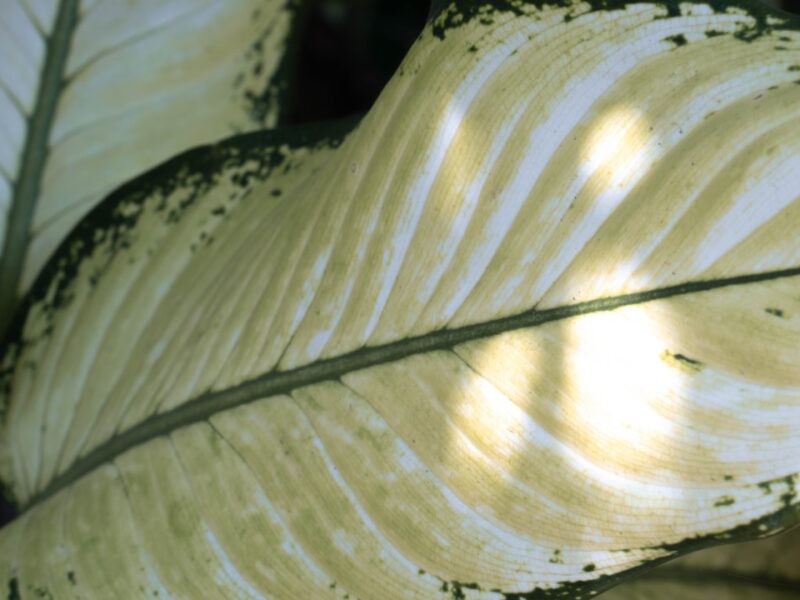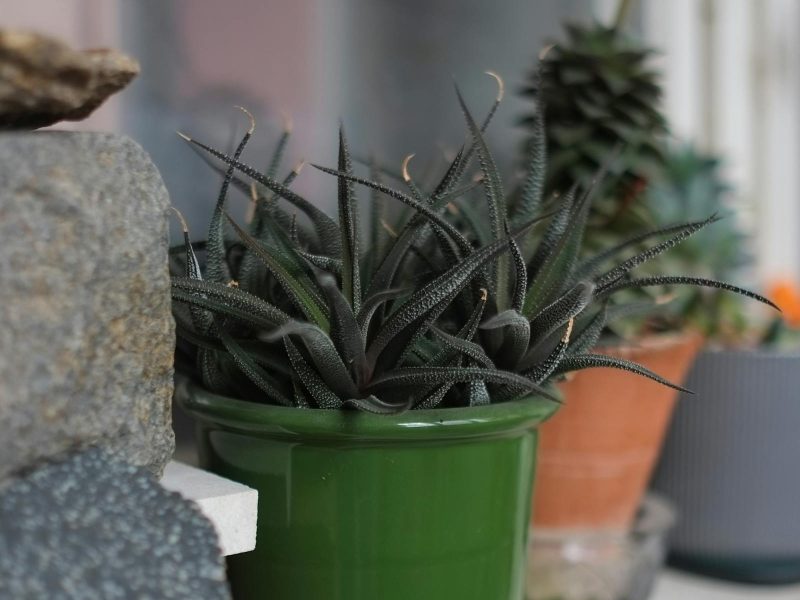
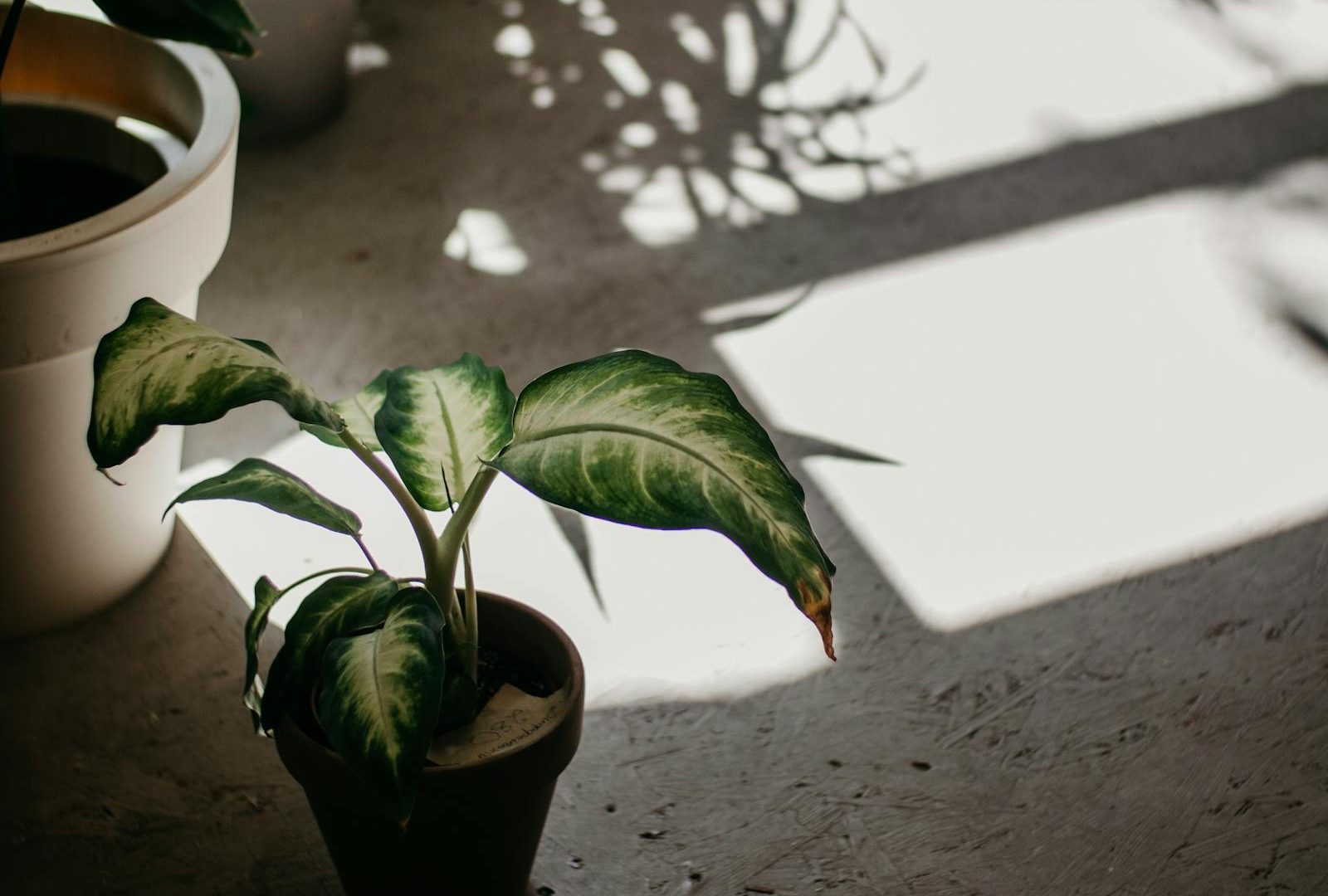
My first humidity cabinet was a secondhand curio with a cracked pane and a $12 mini hygrometer taped to the back wall. It kept a stubborn Anthurium warocqueanum alive through a Boston winter that dropped my apartment to 28 percent relative humidity, and it taught me that a cabinet is less a piece of furniture than a tiny weather system you agree to babysit. Since then I have owned four of them, killed plants in two, and finally settled on a setup that behaves itself. What follows is what I wish someone had told me before I started drilling holes in glass.
Why a cabinet earns its footprint
Open-air humidifiers are exhausting. I ran two ultrasonics for a winter and watched my hardwood floors cup while my Philodendron gloriosum still crisped at the leaf tips. A sealed enclosure changes the math entirely. Inside a 60 by 40 by 180 centimeter cabinet you are heating and humidifying maybe 400 liters of air, not an entire room. Small fogger, small heater, small footprint, dramatic result. My cabinet holds 78 to 85 percent humidity with a 25 watt ultrasonic running about 40 minutes a day. The same effect in the open room would need three units and would still leave the plants standing in a draft.
The other quiet benefit is that a cabinet lets you separate collector plants from the household. Cats do not chew the alocasias. Toddlers do not repot the anthuriums. And when a spider mite outbreak arrives, and it will, the enclosure becomes a quarantine bubble rather than a launchpad.
Choosing the enclosure
Almost every collector I know is running one of four things: an IKEA Milsbo or Rudsta conversion, a Detolf laid on its back, a reptile terrarium, or a purpose-built acrylic cabinet from a small maker. Each one has a personality.
| Enclosure | Interior volume | Cost range | Best for |
|---|---|---|---|
| IKEA Milsbo tall | ~430 L | $180 to $260 | Climbers on 60 cm poles |
| IKEA Rudsta | ~180 L | $120 to $180 | Compact anthuriums, jewel orchids |
| Detolf (on back) | ~150 L | $90 to $130 | Beginner terrarium, low plants |
| Exo Terra 36x18x36 | ~155 L | $280 to $360 | Ready-made ventilation, front doors |
| Custom acrylic | varies | $500+ | Serious collections, tall philodendrons |
I own a Milsbo and a Rudsta. The Milsbo needs sealing at the door magnets and around the top plate; a thin bead of clear aquarium silicone solves both. The Rudsta is essentially airtight out of the box, which is a problem in the other direction (more on ventilation shortly).
The ventilation problem nobody warns you about
The first mistake I made, and the first mistake I see in every plant forum, was sealing the cabinet as tightly as possible and cranking humidity to 95 percent. Within three weeks the Philodendron spiritus-sancti I had saved for was covered in bacterial leaf spot. Stagnant, saturated air is a Petri dish.
The rule I use now: air inside the cabinet should exchange completely somewhere between every 20 minutes and every 2 hours, depending on how many plants are inside and how humid you want to hold. More plants transpiring means faster turnover. My working recipe for a Milsbo:
- Two 40 mm computer fans mounted low, blowing outward, wired to a USB 5 volt supply through a PWM controller set to about 35 percent.
- Two 25 mm passive intake holes drilled through the top plate, covered with fine mesh so fungus gnats cannot commute.
- One 80 mm internal circulation fan pointed across the canopy, running 24/7 on its lowest setting.
That combination holds 80 percent humidity with roughly 12 air changes per hour. Leaves dry within an hour of misting. In two years I have not had a fungal outbreak inside that cabinet.
Lighting without cooking your plants
A closed glass box amplifies light and traps heat. A grow bar that runs cool on an open shelf can push cabinet temperatures 8 to 10 degrees Fahrenheit above room temperature within an hour. I learned this by walking in on a 94 degree Milsbo in July and a Monstera obliqua that looked par-boiled.
Two things fixed it. First, I switched from a 45 watt strip to two 20 watt Barrina T5 bars mounted with a 2 centimeter air gap above the top plate rather than inside the cabinet. The polycarbonate diffuser loses maybe 8 percent of the PPFD, and the heat load drops enormously. Second, I put the lights on a timer set for 11 hours in summer, 13 in winter, with a small dimmer to knock output to 60 percent during the hottest weeks.
Target values I aim for at leaf height, measured with a cheap Photone app on an old iPhone:
- Anthurium, understory philodendron: 80 to 150 micromoles per square meter per second
- Monstera, climbing philodendron: 150 to 250
- Alocasia, colocasia, variegated aroids: 200 to 350
- Jewel orchids and small ferns: 40 to 100
Humidification and heat
I have tried three approaches. A reptile fogger plumbed through the top of the cabinet is the most reliable and the most annoying to clean; hard water builds a chalky crust on the ceramic disc every two weeks. A room humidifier venting into a side port works if your room stays warm. A simple tray of water with a small aquarium heater and an air stone is the quietest option but only pushes humidity to about 70 percent in a well-ventilated cabinet.
I run an Inkbird ITC-308 controller with the humidity probe at plant height and the fogger plugged into it, set to trigger at 76 percent and stop at 84 percent. In winter a 25 watt seedling mat under a false floor keeps root zone temperatures above 68 degrees Fahrenheit even when the room drops overnight. Do not use a reptile heat lamp inside a plant cabinet. It will scorch leaves and dry the air unpredictably.
A weekly rhythm that actually holds
Cabinets fail when maintenance becomes a project. Mine only survives because the routine takes less than 15 minutes.
- Monday: wipe interior glass with a microfiber, check hygrometer against a second probe.
- Wednesday: refill fogger reservoir with distilled water, inspect three random leaves under a jeweler’s loupe for mite eggs.
- Friday: rotate any climber a quarter turn, top up moss poles, remove any yellowing leaf immediately.
- Monthly: pull every plant out, deep clean the base with a 3 percent hydrogen peroxide solution, descale the fogger disc in white vinegar for 20 minutes.
I keep a $9 notebook next to the cabinet and log the peroxide date and any new leaf. Six months in you can flip back and see whether your Anthurium clarinervium actually pushed three leaves last spring or whether you have been telling yourself a story.
The mistakes I keep seeing
Every collector I have helped troubleshoot a struggling cabinet was doing one of these five things. The reference tables from University of Minnesota Extension and the environmental guidance from the Royal Horticultural Society back up most of what follows.
- Running tap water in the fogger. Mineral fallout coats leaves in a white film that blocks stomata within weeks.
- Trusting the cheap hygrometer that came bundled with the fogger. They read 10 to 15 points high out of the box. Calibrate against a wet-salt test.
- Packing plants so tightly that airflow dies six inches into the canopy. Leave a hand’s width between mature leaves.
- Skipping quarantine. Every new plant sits in a separate box for 21 days with a systemic acaricide applied on day 1 and day 14.
- Ignoring root temperature. Air can be 78 degrees while the substrate sits at 62. Cold roots stall growth and invite rot even at perfect humidity.
What a cabinet will not fix
A humidity cabinet cannot rescue a plant that arrived with root damage, and it will not undo months of overwatering in dense peat. The plants that thrive in mine are the ones that were already stable when they went in. I use the cabinet as a growth accelerator for healthy specimens and a recovery ward for stressed ones, but I do the diagnostic work first. If a leaf is failing, I want to know whether it is water, light, roots, or pests before I close the door and assume humidity will paper over the problem.
Frequently asked questions
How much does a decent humidity cabinet cost to set up?
A working Milsbo build with lights, fans, fogger, controller, and hygrometer runs between $380 and $520 depending on how much you thrift. My current cabinet totaled $437 including the seedling mat. The custom acrylic units from small makers start around $900 and climb past $2,000 quickly. Start with an IKEA conversion and upgrade only if you outgrow the footprint.
Do I need to run the lights and fogger on separate timers?
Yes, and this is one of the changes that made the biggest difference in my cabinet. I let humidity climb overnight when lights are off and transpiration is low, then drop it during the day when leaves are photosynthesizing and need cleaner gas exchange. Fogger runs on a humidity controller, lights on a mechanical timer, circulation fan on 24 hours a day.
Will a humidity cabinet damage my walls or floors?
Only if it leaks or if you vent it into a corner with no air movement. In two years my Milsbo has caused no visible moisture damage to the wall behind it because the ventilation fans push saturated air upward and outward, not backward. I keep the cabinet 15 centimeters off the wall and check the paint every few months. If you live somewhere humid already, run a small hygrometer on the wall side.
Can I use tap water if I have soft municipal water?
I would still use distilled or reverse osmosis water in the fogger itself. Even soft tap water leaves enough calcium and chlorine residue to clog the ceramic disc within a month and to spot leaves you cannot easily clean. For watering the plants themselves, filtered tap water is usually fine if it tests below about 150 ppm total dissolved solids.
Which plants are worth putting in a cabinet versus leaving on a shelf?
Anything with thin, papery leaves that evolved under a rainforest canopy earns its spot: velvet anthuriums, most rare philodendrons, jewel orchids, small ferns, and any variegated aroid struggling to hold color. Waxy, thick-leaved plants like Monstera deliciosa, most sansevierias, and hoyas generally do better on a shelf with normal room humidity. The cabinet is not a status symbol; it is a tool for the plants that genuinely need it.
Frequently asked questions
How do I know if I have spider mites?
Look for fine webbing in leaf axils, yellow stippling on leaves, and tiny dots on leaf undersides. Use a magnifying glass or phone camera zoomed in. Mites are 0.5mm and hard to see without magnification.
Are spider mites dangerous to me or my pets?
No. Spider mites only affect plants. They don't bite humans or pets.
Can a plant recover from severe spider mite damage?
It depends on extent of damage. Plants with less than 30% damage usually recover with treatment. Plants with more than 50% damage may not fully recover. The new growth post-treatment reveals whether recovery is happening.
How often should I check for spider mites?
Weekly during winter when humidity is low. Monthly in summer. Always check new plants before integrating them. Early detection makes treatment much more successful.