I bought my first Philodendron esmeraldense from a small nursery in 2022 that had labeled it, incorrectly, as a juvenile verrucosum. The seller was not being dishonest; the two look genuinely similar as young plants, and even experienced collectors misfile them. That mislabeling turned out to be useful, because it forced me to actually learn what esmeraldense wants versus what its more famous cousin wants. They are not the same plant, and treating them identically is where a lot of collector care advice goes sideways.
What follows is what I have learned over four growing seasons with three specimens, one of which I nearly killed by overcorrecting for humidity. If you are considering this species or already own one that looks unhappy, the useful information is in the specifics: the light meter reading, the substrate ratio, the pot size relative to root mass. General aroid care will keep it alive. It will not make it thrive.
Why identification matters before care
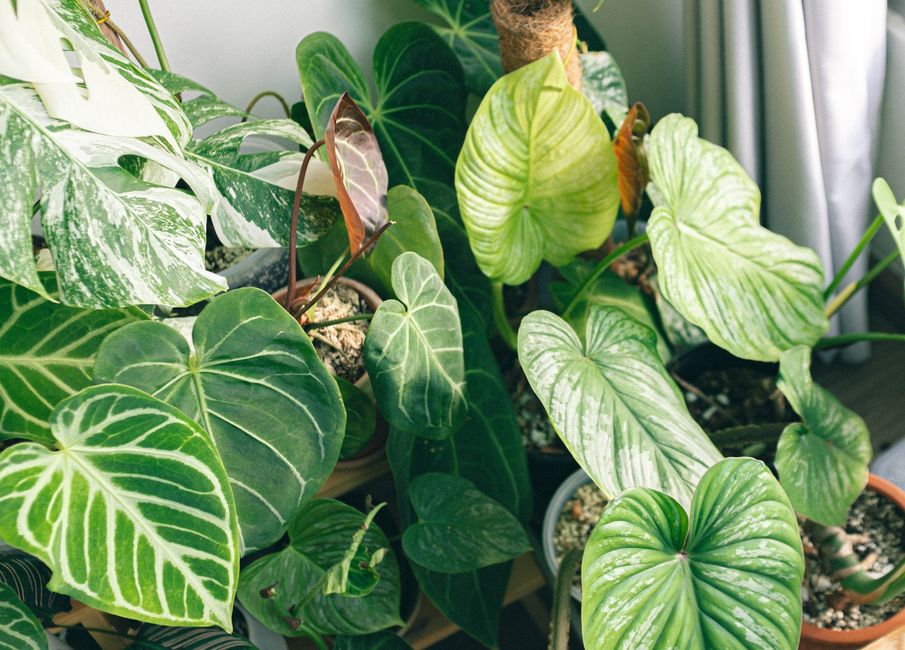
Philodendron esmeraldense was described from the Esmeraldas province in northwestern Ecuador. It is a climbing hemiepiphyte with elongate, quilted, deep-green leaves that hold a subtle satin finish rather than the pronounced iridescence of verrucosum. Mature leaves reach roughly 18 to 24 inches in cultivation, though wild specimens on host trees can exceed that. The petioles are smooth, not hairy. That single trait, petiole texture, is the fastest field ID against verrucosum, which has distinctly pubescent, almost fuzzy petioles.
Why does this matter for care? Because verrucosum famously wants very high humidity, above 80 percent, and reacts poorly to dry air. Esmeraldense is more forgiving. In my apartment, which drifts between 48 and 62 percent relative humidity depending on the season, esmeraldense produces new leaves every four to six weeks during the warm months. A verrucosum in the same room stalls.
Light: brighter than you think, softer than you fear
The advice you will read most often is “bright indirect light.” That phrase means almost nothing without a number attached. I keep a cheap lux meter on a keychain (roughly 15 dollars) and check readings monthly because seasonal sun angles change what a window delivers by 40 percent or more.
Target ranges I have measured on healthy, actively growing specimens:
- 800 to 1,500 lux for maintenance. The plant holds its leaves, does not push new growth quickly, but stays green and firm.
- 1,800 to 2,800 lux for active growth. This is where I see a new leaf every four to five weeks and internodes stay compact.
- Above 3,500 lux risks bleaching on the newest leaves within two weeks, especially if the light is direct rather than filtered.
My best-performing plant sits about 30 inches from an east-facing window with a sheer curtain. In winter I move it 12 inches closer. If you use grow lights, a 20 to 30 watt LED panel at 18 inches above the canopy, running 12 hours a day, hits the active-growth range reliably. The University of Minnesota Extension guidance on indoor plant lighting is worth reading if you want to calibrate your own setup.
Substrate: airy, chunky, and mildly acidic
The mix that has consistently worked for me is by volume, not weight:
| Component | Ratio | Purpose |
|---|---|---|
| Fine orchid bark | 40% | Air pockets, slow breakdown |
| Coco chips (rinsed) | 25% | Water retention without sog |
| Perlite (coarse) | 20% | Drainage |
| Worm castings | 10% | Slow nutrition, microbial life |
| Horticultural charcoal | 5% | Odor control, root health |
Target pH sits around 5.8 to 6.3. I test with a cheap probe every few months and correct with a light dolomitic lime dusting if it drifts below 5.5. The mix should feel springy in your hand and drain within eight seconds when you flood a nursery pot with water.
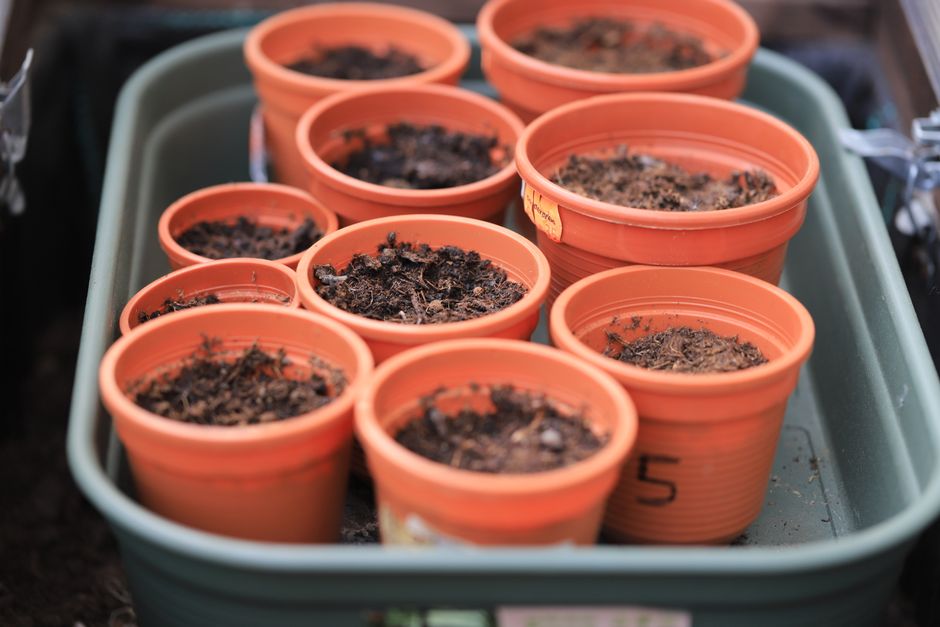
I repot every 18 to 24 months, not annually. Esmeraldense roots are thinner than heartleaf philodendron roots and resent disturbance. If a plant looks miserable after repotting, wait. It will usually recover in three to five weeks without intervention.
Watering rhythm that matches the roots
Here is the mistake I made in year one: I watered on a schedule. Every Sunday, like clockwork. The plant that nearly died was sitting in a plastic pot that dried out much slower than the terracotta specimen next to it. Both got the same water. One rotted.
Now I water by weight and by finger. Lift the pot; if it feels light, water thoroughly until it runs from the drainage holes. If it feels heavy, wait two days and check again. For a 6-inch nursery pot in my conditions, this typically means watering every 5 to 9 days in summer and every 10 to 14 days in winter.
Water quality matters more than most guides admit. Municipal tap in my area runs around 180 ppm total dissolved solids with chloramine. I let a jug sit uncovered for 24 hours, which does nothing for chloramine but does bring the water to room temperature. If I lived somewhere with harder water, I would switch to rainwater or diluted reverse osmosis at 60 to 100 ppm.
Humidity, temperature, and the micro-climate question
The sweet spot I have observed is 55 to 70 percent relative humidity paired with temperatures between 68 and 82 degrees Fahrenheit. Below 45 percent for extended periods, leaf edges crisp. Above 85 percent without airflow, I have seen bacterial spots appear within a week.
Airflow is the variable people forget. A small clip fan running at low speed 16 hours a day did more for my collection’s leaf quality than any humidifier I bought. Stagnant humid air is a fungal breeding ground; moving humid air is a growth chamber.
Nighttime temperatures should not drop below 60 degrees for more than a night or two. This plant evolved in a climate with narrow diurnal swings. A cold windowsill in January will stall growth for two months even if daytime temperatures are perfect.
Feeding without burning
I use a balanced synthetic fertilizer at roughly one-quarter the label strength, delivered every second watering during active growth (March through October in the northern hemisphere). Numbers I have settled on:
- NPK around 3-1-2 or 20-20-20 diluted to about 150 ppm nitrogen
- Supplemental calcium and magnesium monthly if the base mix lacks them
- A gentle flush with plain water every fourth feeding to prevent salt buildup
- No fertilizer for six to eight weeks after repotting
- Reduced or paused feeding when winter growth slows visibly
If you see brown, crispy leaf tips paired with a white crust on the soil surface, that is fertilizer salt accumulation. Flush the pot with three times its volume of plain water and skip the next two feedings.
Support, climbing, and leaf size
Esmeraldense will produce noticeably larger leaves when climbing than when trailing. I use a moss pole wrapped in sphagnum, kept damp but never dripping, and pin new aerial roots against it with soft plant tape until they attach on their own. Within a year of consistent climbing, leaf size on my mature specimen roughly doubled compared to its pre-pole dimensions.
Do not skip the pole thinking a stake will do the same job. The plant needs moisture at the roots that emerge along the stem, not just at the base. A dry stake gives it something to lean against and nothing to grow into.
The problems I see most often
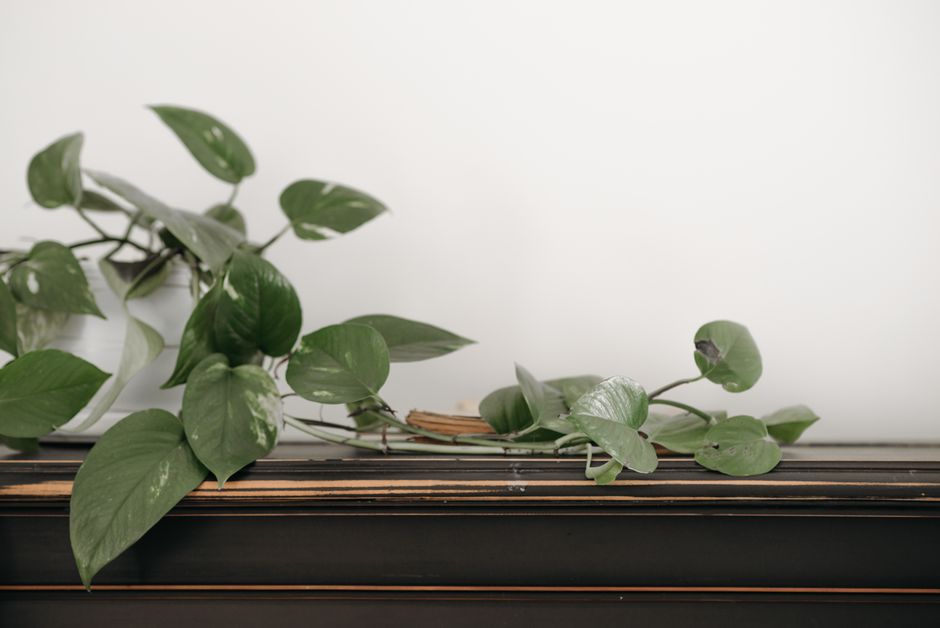
New collectors write to me about three issues, and the diagnosis is almost always the same. Yellowing lower leaves paired with soft petioles is overwatering, full stop. Small, pale new leaves with long stretches between them is insufficient light. Sudden brown blotches with a yellow halo, appearing during a humid stretch, is bacterial and needs immediate airflow plus removal of affected tissue with a sterilized blade.
The UMass Extension resource on bacterial diseases in tropical foliage is a good reference if you want to understand what you are seeing before you spray anything. Most of what people reach for (copper, hydrogen peroxide) is unnecessary if you fix the underlying airflow problem.
Frequently asked questions
Is Philodendron esmeraldense the same as verrucosum?
No. They are separate species that share a general leaf silhouette when young. The clearest differences are petiole texture (esmeraldense smooth, verrucosum hairy) and humidity tolerance (esmeraldense forgiving down to about 50 percent, verrucosum unhappy below 70 percent). Mature leaves diverge further in coloration and vein depth.
How fast does it grow indoors?
Under active-growth conditions I described above, expect one new leaf every four to six weeks during the warm season and one leaf every eight to twelve weeks in winter. A young plant can double its leaf count in a single growing year if light, humidity, and climbing support are all dialed in.
Can I grow it without a humidifier?
Yes, provided your ambient humidity stays above roughly 50 percent. Grouping plants together and running a small fan raises local humidity by 5 to 10 points without any appliance. I ran mine humidifier-free for two years with good results. A humidifier helps in dry winter apartments where indoor levels drop below 35 percent.
What size pot should I use?
Slightly snug. This plant does not want to swim. For a specimen with a root mass roughly the size of a tennis ball, a 5 or 6-inch nursery pot is right. Upsize by one pot dimension only when roots visibly circle the drainage holes, which for me is every 18 to 24 months.
Is it toxic to pets?
Yes, like other philodendrons, it contains calcium oxalate crystals that cause oral irritation, drooling, and vomiting if chewed. Keep it out of reach of cats and dogs, and wash your hands after pruning if you have sensitive skin.
Frequently asked questions
How long should I keep a new rare aroid in isolation?
A minimum of two weeks, ideally three or four. This gives pests time to reveal themselves and prevents an infestation from one new plant spreading to your existing collection.
Should I water my new plant as soon as it arrives?
Only if the substrate is dry. Many plants arrive with moist substrate and watering immediately can cause root rot. Check by feel first. If dry, water thoroughly. If damp, wait.
Can I repot my new aroid right away?
Generally no — wait three to four weeks unless the substrate is rotting or the root system is clearly compromised. Repotting adds stress on top of transit stress and slows recovery significantly.
Why is my newly arrived plant dropping leaves?
Some leaf loss is normal during acclimation as the plant sheds what it cannot support while stabilizing. Worry only if new growth also shows distress or if root health is poor.