My living room went through a phase I now think of as the pottery yard sale. Every plant that came through the door arrived in whatever nursery pot the grower had used, and every time I remembered to “finish” a plant I bought a decorative cover pot from whichever shop I happened to be in. By the second summer I had thirty-one plants and twenty-nine different pots, and the whole arrangement made me tired to look at. That was the year I started thinking seriously about restraint, not as an aesthetic pose but as a practical way to make a room with a lot of green in it still feel like a room.
Restraint, in this context, is not the same as minimalism. I have no interest in a stark white apartment with a single fiddle leaf. What I want, and what I think most collectors quietly want once the initial acquisition rush wears off, is a home where the plants are legible individually and coherent collectively. Decorative pots are the loudest lever you have for that, and most of us pull it in every direction at once.
Why mixed pots read as clutter even when each pot is nice
The eye counts textures and materials before it counts anything else. A shelf with a glazed cobalt planter, a raw terracotta pot, a matte black cylinder, a woven seagrass basket, and a hand-thrown celadon bowl contains five different visual arguments happening at once. Each object might be beautiful on a table by itself. Placed together, they cancel each other out. The plants, which should be the subject, become props for the pots.
I tested this the boring way. I photographed my main shelf with the pots I had, then again after swapping everything into plain nursery grow pots, then again after swapping into a set of six matched terracotta pots in three sizes. The nursery-pot version looked like storage. The matched-terracotta version looked like a plant collection. My original arrangement looked, honestly, like a garage sale table.
The palette rule I actually use
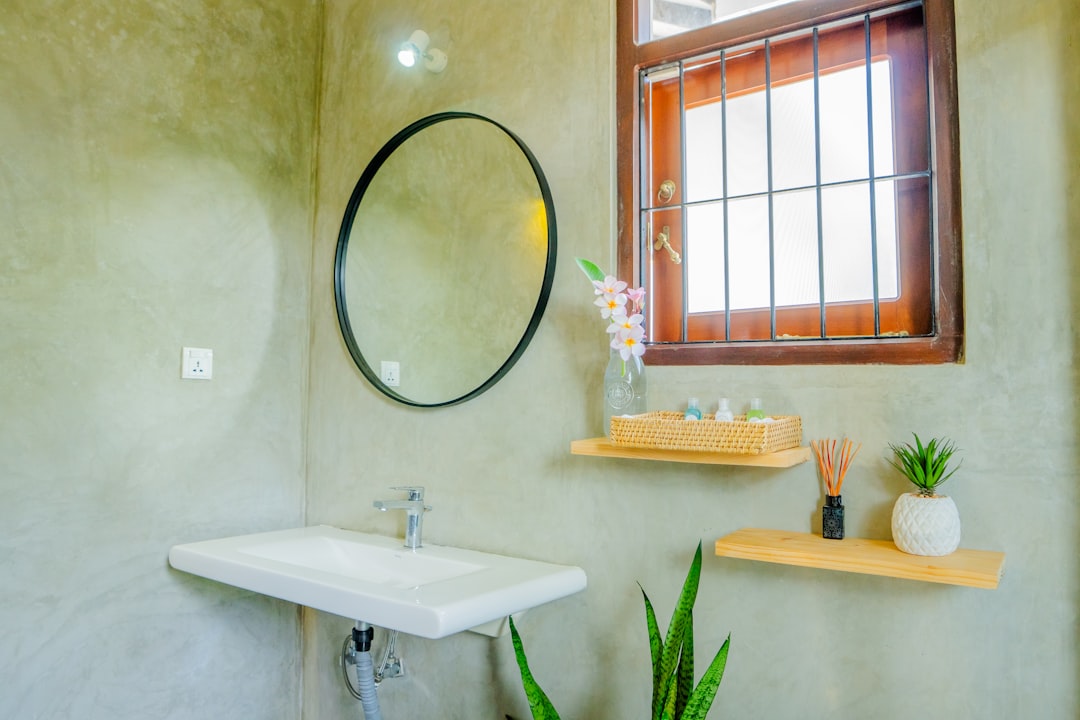
After that photo experiment I gave myself a rule I have kept for four years: no more than three pot materials in one visual zone, and no more than two dominant colors. A visual zone is whatever you can see in a single sweep of the eye without turning your head, so for me it means one wall, one bookshelf, or one corner. The kitchen and the bedroom are separate zones and can have their own palettes.
The three materials in my main room are unglazed terracotta, matte cream stoneware, and unfinished wood (for the risers and cachepots). The two dominant colors are the warm rust of the terracotta and the soft off-white of the stoneware. Everything else is a plant. That is the entire system. It sounds restrictive on paper and feels liberating in practice, because I no longer have to decide anything at the checkout counter of a plant shop.
An honest inventory before you shop for anything
Before I bought a single replacement pot I sat on the floor with a notebook and counted what I actually owned. This is unglamorous and worth an evening. The point is not to feel bad about the accumulation; the point is to see it clearly so you can choose which pots to keep, which to donate, and what specific sizes you still need.
| Category | Count before | Count after | Notes |
|---|---|---|---|
| Terracotta, 4 to 6 inch | 3 | 8 | The workhorse size for most aroids |
| Terracotta, 8 to 10 inch | 1 | 4 | For maturing philodendrons and pole climbers |
| Cream stoneware cachepots | 0 | 5 | Used only on the console table where the surface can stain |
| Glazed decorative (mixed colors) | 14 | 2 | Kept only two sentimental pieces |
| Woven baskets | 4 | 1 | One large basket for the floor palm |
| Plastic nursery pots (hidden) | 18 | 22 | Inside cachepots or on staging shelves |
The most useful thing this exercise revealed was that I owned almost none of the sizes I actually needed and a warehouse of sizes I did not. I had four gorgeous 12-inch glazed pots and exactly one plant large enough to live in one. Meanwhile my growing collection of small anthuriums was living in a rainbow of thrifted mugs.
Terracotta earns its reputation, but not for the reason people say
Collectors talk about terracotta as if the porosity is the whole story. Yes, unglazed clay breathes, and yes, that helps aroid roots that resent staying wet. But the case for terracotta as a design choice is different and stronger: it is the most visually quiet pot material available at a reasonable price. It recedes. It ages. The color deepens with mineral deposits and calcium bloom in a way that reads as time passing rather than as damage. A shelf of terracotta pots looks more like itself after three years than it did the day you bought them.
The University of Vermont extension has a practical primer on container choice that walks through the drainage tradeoffs if you want the horticultural side laid out plainly. For my purposes the aesthetic argument closed the case. I bought a case of plain Italian terracotta in three sizes from a local nursery for less than what two of my old glazed pots had cost, and I have never regretted it.
The cachepot trick, and when it stops working
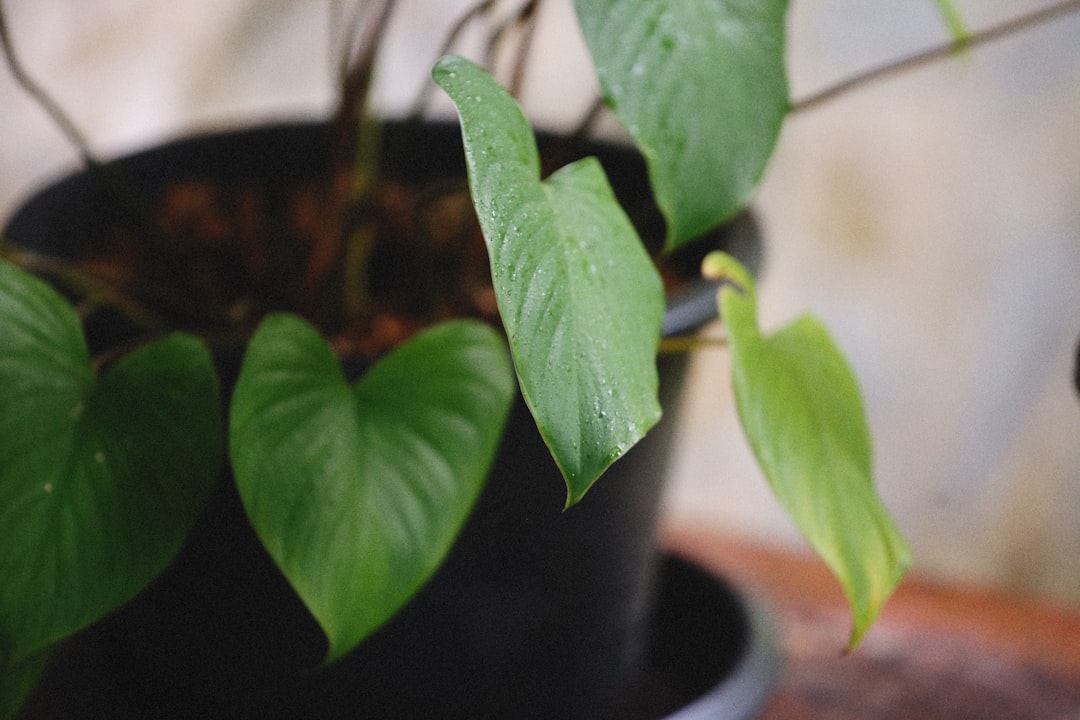
A cachepot is a decorative outer pot with no drainage hole, into which you drop the plant in its plain nursery pot. This is the single most useful technique for keeping a mixed collection looking intentional. It lets you repot on your own schedule, water in the sink, and swap plants between locations without a design meeting each time. Most stylists who post beautiful plant rooms are using cachepots, whether they say so or not.
The trick stops working in two situations. First, if the cachepot fits so snugly that the nursery pot is not visible, you have to remember to lift the plant out every time you water so it does not sit in a reservoir. I have killed a Philodendron gloriosum by forgetting this for six weeks. Second, if the cachepot is significantly larger than the nursery pot, the plant looks marooned. The visual proportion I aim for is about a one-inch gap between the top of the nursery pot and the rim of the cachepot, filled with a thin layer of sphagnum moss to hide the plastic.
A short discipline for buying new pots
- Never buy a pot without a specific plant in mind. Speculative pottery is how the collection gets away from you.
- Photograph the shelf or corner the new pot will live on before you leave the house. Look at the photo while you shop.
- If the pot does not match your palette, put it back even if it is on sale. A discounted pot in the wrong finish is still the wrong pot.
- Buy in pairs or threes when you can. A single decorative pot is a punctuation mark; three of the same pot in graduated sizes is a sentence.
- Wait a week between seeing a pot you love and buying it. Half the time I forget it existed, which tells me what I needed to know.
What to do with the pots you already own and no longer want
The transition question is where restraint gets uncomfortable. I had fourteen glazed pots that did not fit my new palette, several of them gifts. I gave most to a friend who was starting her own collection, sold a few on a local resale app, and moved two to the bedroom, which is a separate visual zone with a different (mostly deep green and brass) palette. Nothing went to landfill. The exercise took a Saturday and freed up an entire cabinet shelf.
The one category I keep aside from my palette is what I think of as story pots. These are pieces with genuine sentimental weight: a small hand-thrown bowl from a potter I visited on a trip, a pinch pot my niece made in kindergarten. I use them for very small plants (usually pilea offsets or a single sansevieria pup) and I place them on my desk rather than on the main shelves. They get to be exceptions because they are exceptional. The rest of the collection has to earn its place through consistency.
Frequently asked questions
Do I have to throw away all my colorful pots to have a coherent collection?
No, and I would push back on the framing. Sort your pots into visual zones by room, and give each zone a palette of two dominant colors and up to three materials. A bright cobalt pot that clashes in the living room might anchor the bathroom shelf beautifully. The goal is coherence within a sightline, not uniformity across your entire home.
How many pots of the same style do I need before it reads as intentional?
Three is the smallest number that reads as a set rather than a coincidence. Two matched pots look like they came as a pair; three or more looks like a decision. If you can only afford one right now, buy a size you know you will want to duplicate later rather than a size you might only ever need once.
Are terracotta pots really better for aroids or is that just aesthetic preference?
Both. Unglazed terracotta wicks moisture through its walls, which helps species that rot in soggy substrate, including most philodendrons and anthuriums. In a home at around 60 to 70 percent humidity you may find soil dries about 20 to 30 percent faster in clay than in plastic of the same size, so adjust your watering schedule. Fully glazed pots negate the wicking benefit and behave like plastic.
What about self-watering pots and grow pots with reservoirs?
They work well for specific plants, particularly thirsty tropicals like calatheas, and I use two of them for that reason. I keep them in plain cream ceramic so they read as part of my palette rather than as gadgets. The engineering is invisible to a visitor, which is the whole point.
How do I handle a plant that outgrows the pot size range I have committed to?
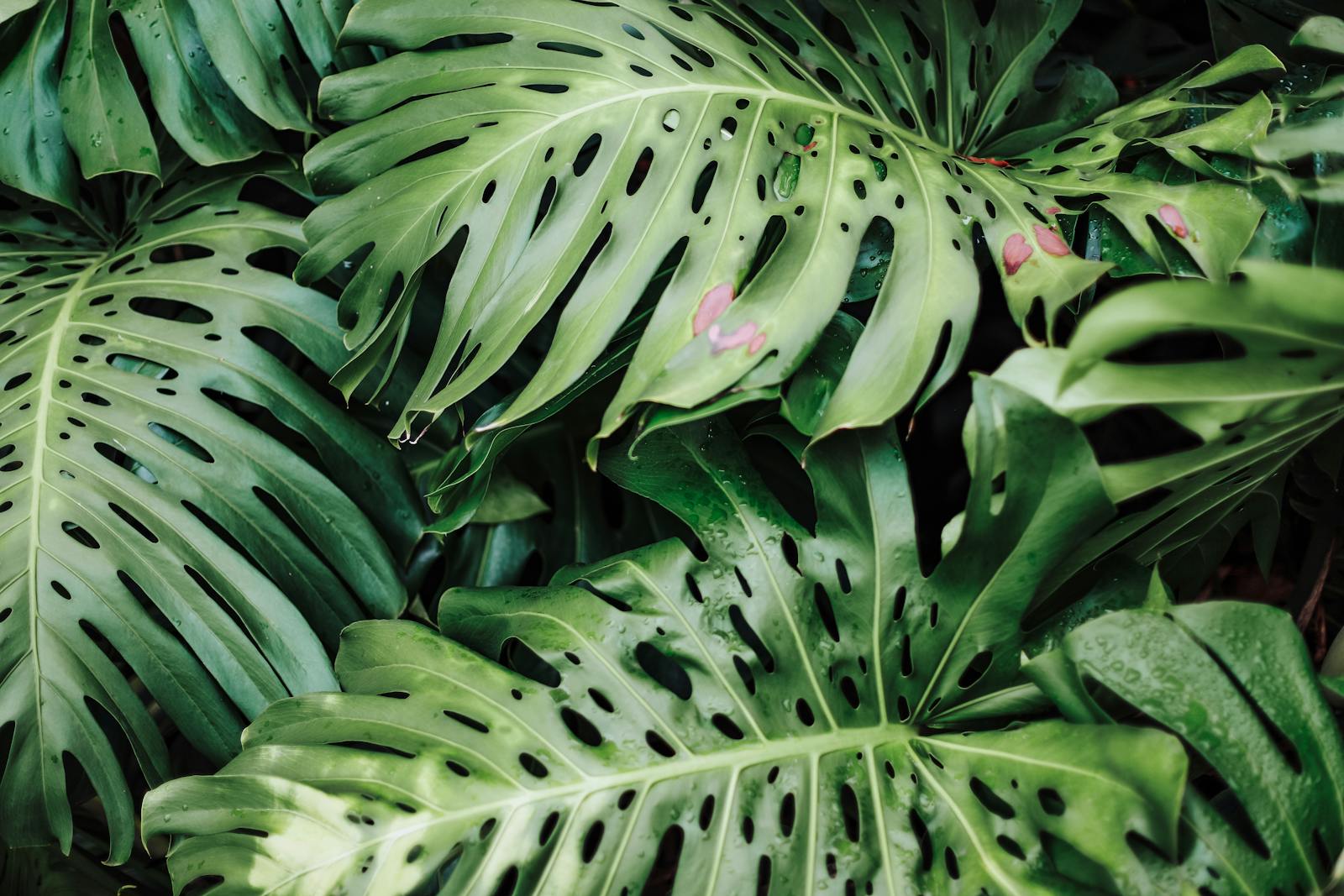
This is the honest edge case. When my Monstera deliciosa outgrew a 10-inch pot I ordered a 14-inch terracotta from the same maker, accepting that my range had extended. Restraint is not a fixed ceiling; it is a rule about not adding new categories casually. Extending the top of an existing range for a plant that has earned it is a fine reason to buy a larger pot.
Frequently asked questions
What is slow plant living?
It is the practice of caring for plants on their own terms — not forcing growth or optimizing for maximum output, but accepting their natural pace and developing consistent attention.
How is this different from regular plant care?
Regular plant care is often task-oriented and outcome-focused. Slow plant living is practice-oriented and relationship-focused. Both can produce healthy plants, but the experience and meaning differ.
Will this approach mean my plants grow slower?
Not necessarily slower — but you stop trying to push beyond what plants want. The growth pace becomes the plant's natural pace, which is usually fine and sustainable.
Can I combine slow plant living with serious collecting?
Yes. The two are compatible. Serious collectors often practice slow plant living because it produces better outcomes than aggressive optimization.