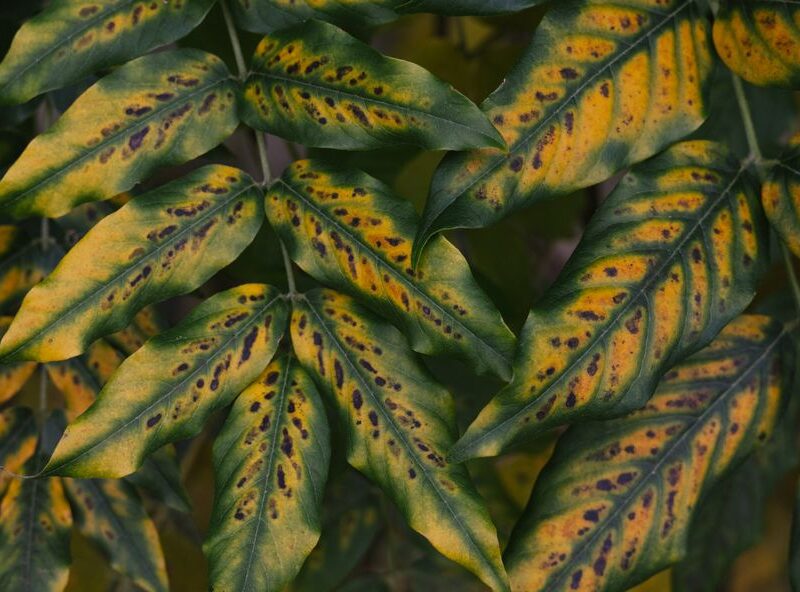
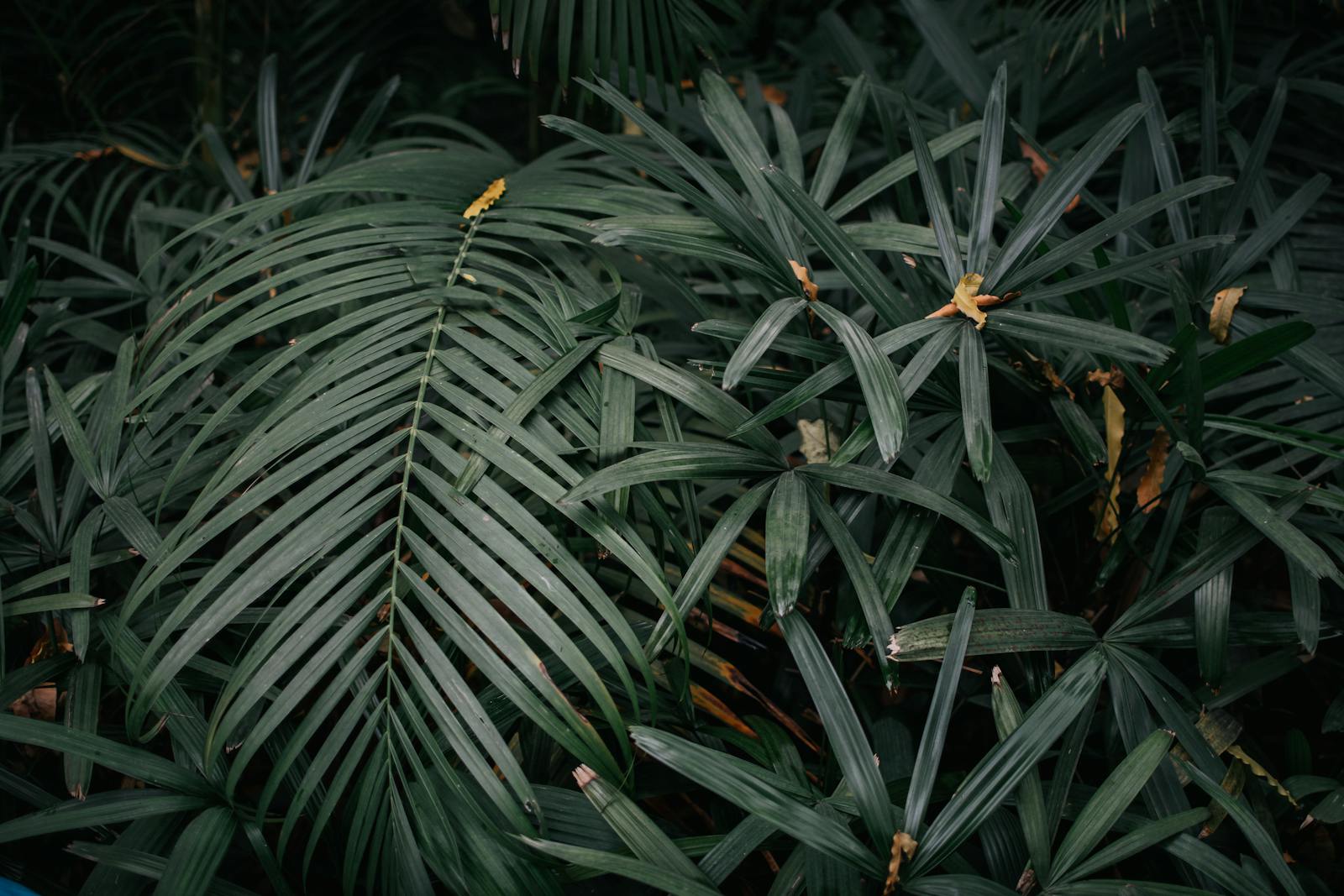
Somewhere around the third year of keeping a mature Philodendron gloriosum, I stopped trusting the calendar. I had been refreshing its substrate every twelve months out of habit, then noticed the plant was pushing bigger leaves in the second half of a mix I had assumed was already spent. That was the turning point. A substrate refresh cycle is not a date on a spreadsheet. It is a set of physical signals the pot gives you when the mix has stopped doing its job, and once you learn to read them, you refresh less often and get better growth for the trouble.
This is the framework I use across a collection of roughly forty aroids and tropical foliage plants, most of them in chunky bark-based mixes, a handful in leca or sphagnum. It works for established plants, meaning anything that has been in its current pot longer than one full growing season and has produced at least three new leaves in that time.
What actually breaks down in a mix
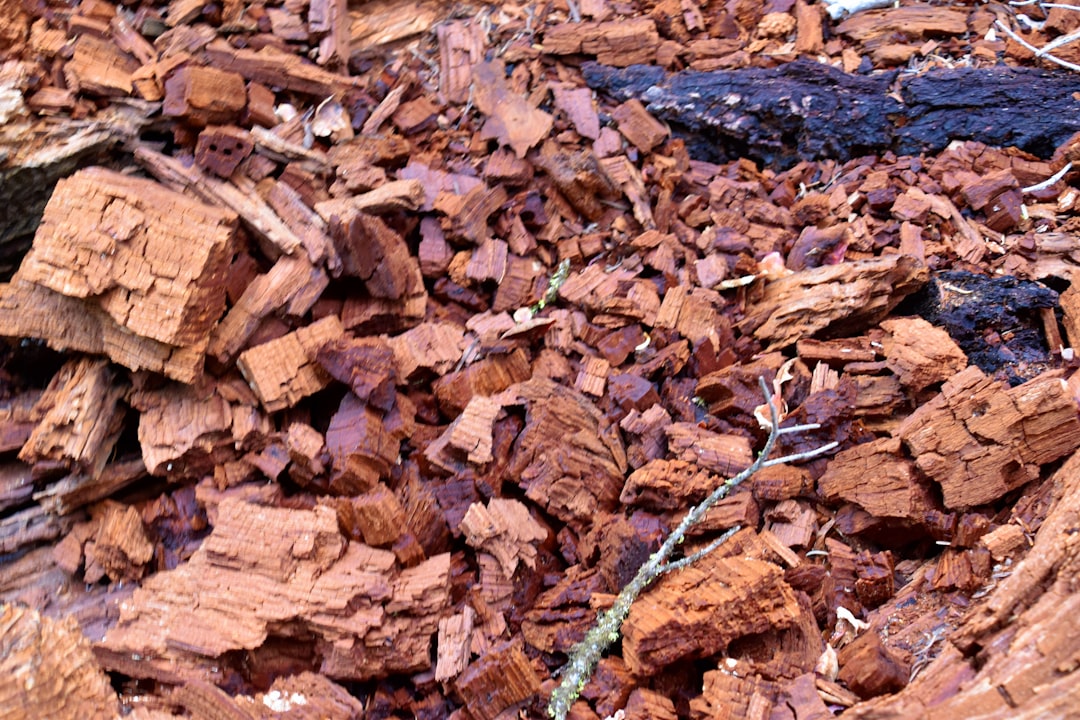
Three things degrade in a container substrate, and they degrade on different clocks. Bark fines produced by fungal decomposition accumulate in the bottom third of the pot first, dropping air porosity from a fresh 30 to 35 percent down toward 15 percent over 18 to 24 months. Coco coir and peat components lose structure faster, usually collapsing meaningfully by month 14 to 16 in warm rooms. Mineral additions such as pumice, perlite, and lava rock do not decompose at all, but they migrate. Perlite in particular floats to the surface with every watering and stops contributing to lower-pot aeration.
The fourth variable is salt. Every fertilizer application, every hard-water top-up, leaves a small residue. In a plant fed weekly at a quarter strength, electrical conductivity in the root zone can climb from a baseline of 0.4 mS/cm to over 2.0 mS/cm inside a year if you never flush.
The seven signals I actually watch for
I keep a short mental checklist while watering. Any two of these together mean I schedule a refresh within the next two weeks. A single signal on its own is a note, not an action.
- Water sits on the surface for more than 20 seconds before starting to percolate. In a healthy chunky mix, water disappears almost immediately.
- The pot dries out in half the time it used to. When bark collapses, total water-holding capacity shrinks even as air porosity falls, which is a peculiar combination that produces both drought stress and root suffocation.
- A white or tan crust at the substrate surface or on the inside of the pot rim, indicating salt accumulation.
- Fine dark particles at the drainage holes when I lift the pot. These are decomposed bark and organic silt.
- A sour or sharply mushroomy smell when I bring my nose within a few inches of the surface. Fresh bark mixes smell like a forest floor; spent mixes smell either sour or oddly sweet.
- Roots circling the inside of the pot visible through drainage holes, especially when combined with reduced leaf size on new growth.
- New leaves smaller than the previous three despite steady light, humidity, and feeding.
A quick diagnostic table
| Symptom | Likely cause | Refresh needed? |
|---|---|---|
| Slow drainage, sour smell | Bark decomposition, anaerobic pockets | Yes, full refresh |
| White crust, tip burn on new leaves | Salt buildup | Flush first, refresh if flush fails |
| Roots circling, healthy foliage | Outgrown pot, mix still fine | Pot up, reuse mix with 20 percent fresh added |
| Fast dry-down, smaller new leaves | Root mass has consumed available substrate | Yes, and consider next pot size |
| Perlite floated to top, otherwise fine | Cosmetic migration | No, top-dress only |
| Gnats plus mushy surface | Organic component collapsed | Yes, prioritize this week |
Species-specific cadence, roughly
These are the intervals I have settled on after tracking refresh events in a plain notebook for four years. They assume warm indoor temperatures around 70 to 78 F, humidity between 55 and 70 percent, and weekly dilute feeding.
| Plant group | Typical refresh interval | Notes |
|---|---|---|
| Philodendron (climbing) | 18 to 24 months | Chunky bark holds up longest with these |
| Philodendron (crawling, gloriosum type) | 14 to 18 months | Shallower root systems, wider trays |
| Anthurium (velvet-leafed) | 12 to 15 months | Sensitive to salt, flush quarterly |
| Monstera (mature) | 24 to 30 months | Aggressive roots tolerate aged mix |
| Alocasia | 10 to 14 months | Prefers a slightly finer mix that breaks down faster |
| Calathea and Goeppertia | 12 months | Fussy about salt and pH drift |
| Semi-hydro in leca | Rinse every 6 months, no true refresh | Watch for algae and mineral scaling |

The staged refresh procedure I use
A full refresh takes me about 25 minutes per plant once I have staged the materials. Doing it in a batch of three or four is more efficient than one at a time.
- Water the plant lightly 24 hours before. Roots slide out of damp substrate more cleanly than dry, and the plant handles the disturbance better hydrated.
- Prepare the new mix and let it sit hydrated for at least an hour. For most aroids I use 5 parts orchid bark, 2 parts pumice, 1 part coarse perlite, 1 part horticultural charcoal, and half a part worm castings.
- Unpot over a tray and work old substrate off with your fingers. Do not use water at this stage; wet roots tear more easily than expected.
- Inspect the root system. Firm and pale-cream is healthy. Dark, hollow, or peeling roots get trimmed to clean tissue with a flame-sterilized blade.
- Retain 10 to 20 percent of the original substrate around the root ball if it is not decomposed. This preserves established mycorrhizal and bacterial communities.
- Pot up only if the root mass has genuinely outgrown the current container. Otherwise return to the same pot after scrubbing it with dilute vinegar to remove mineral crust.
- Water thoroughly until you see 20 to 30 percent runoff, then withhold fertilizer for three weeks while the root system re-establishes.
When a flush beats a refresh
Not every warning signal calls for a full teardown. If the mix still looks structurally sound and only the salt indicators are present, I flush instead. That means running water equal to roughly four times the pot’s volume through the substrate in a sink or bathtub, slowly, over about ten minutes. I do this quarterly on my anthuriums as a matter of course, and it has extended their refresh intervals by roughly six months.
A useful reference on salt accumulation and leaching in container culture is the University of Florida IFAS guide to fertilizer and irrigation management, which quantifies why a heavy periodic leach outperforms constant light watering for salt control.
Small collector rituals that stretch the cycle
A few habits have measurably slowed how quickly my mixes degrade. I top-dress annually with a thin layer of fresh bark and worm castings, which replenishes the surface without disturbing roots. I water with rainwater or filtered water where I can, cutting mineral load roughly in half. I keep pot temperature within a few degrees of room temperature, since cold substrate promotes anaerobic pockets that accelerate bark breakdown. And I keep a plain notebook, one line per plant per event, so I can see cadence trends rather than guess at them. The RHS guidance on houseplant repotting is a solid baseline if you want a second reference point on frequency.
Frequently asked questions
Can I reuse old substrate after a refresh?
Partly. I sift the removed mix through a half-inch screen, discard everything that falls through, and compost the fines. The chunky fraction that remains can be blended at up to 30 percent into a mix for tougher plants like mature pothos or established monsteras. I never reuse substrate from a plant that showed root rot or pest issues.
Does the season matter for a substrate refresh?
It matters less than most guides suggest, but I do prefer the shoulder between late winter and early spring for most refreshes. Root regeneration accelerates as day length increases, so recovery is faster. That said, a plant showing acute drainage failure gets refreshed the week I notice it, regardless of month.
How do I know if my mix is decomposing or just settled?
Push a chopstick straight down into the pot. In a fresh chunky mix it meets clear resistance from individual bark pieces. In a decomposed mix it slides through with almost no resistance, and when you pull it out the tip is coated in fine dark silt rather than a few clean particles. Settling is normal in the first month; slide-through resistance after year one is the signal.
Should I sterilize new substrate before using it?
For most bark and pumice mixes, no. Commercial orchid bark is generally clean enough, and the beneficial microbes that establish in a healthy pot come partly from the retained old substrate and partly from ambient air. I only pasteurize substrate (30 minutes at 180 F in a covered pan) when I am rescuing a plant from confirmed fungal disease.
My plant looks fine, but the mix is old. Do I still need to refresh?
Not necessarily. Established plants can coast on a partially decomposed mix if the roots have adapted and drainage still functions. I use the seven-signal checklist rather than age alone. That said, once a mix passes 30 months in a container I inspect the root ball annually even if the plant looks content, because that is roughly when I have seen anaerobic pockets develop silently.
Frequently asked questions
Why does my plant stop growing in winter?
Reduced light hours and lower temperatures slow plant metabolism. Most houseplants normally pause growth in winter. Resumption in spring is the expected pattern.
How long should I wait before worrying about no growth?
In growing season (spring-summer): worry after 6-8 weeks. In winter: worry after 4-5 months. Plants do pause naturally; some pauses are appropriate.
Can I force a plant to grow with more fertilizer?
No. Fertilizer addresses nutrition; it can't overcome light, water, or root problems. Over-fertilizing a stalled plant usually makes things worse, not better.
Should I repot a non-growing plant?
Maybe. If substrate is visibly broken down, roots heavily circling, or other signs of substrate problems exist, yes. Otherwise, address other factors first.