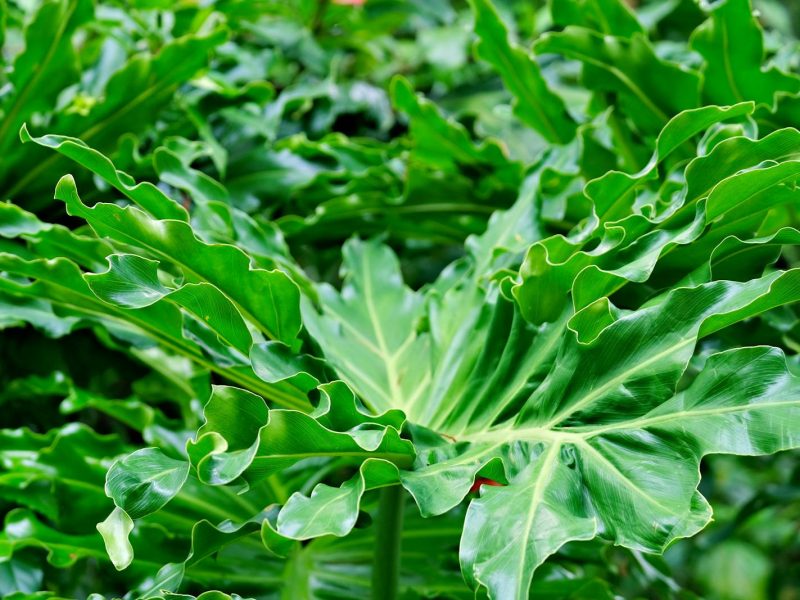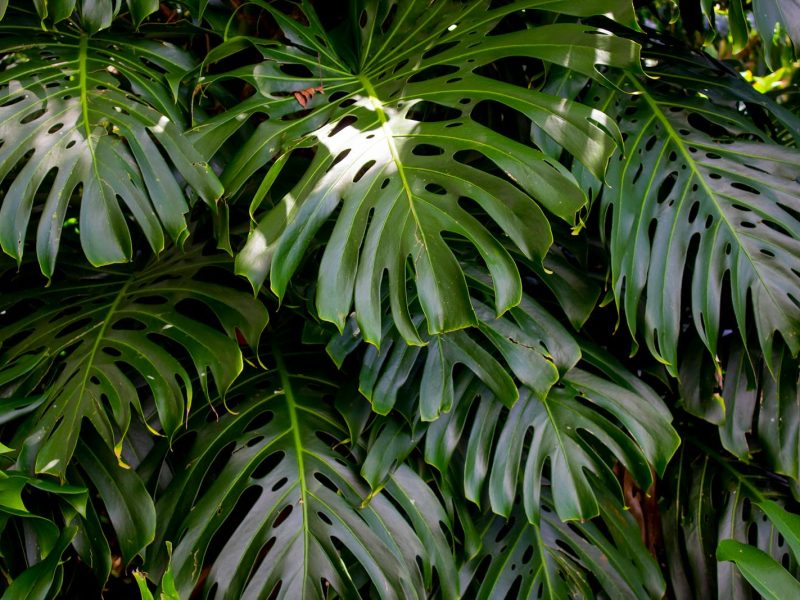
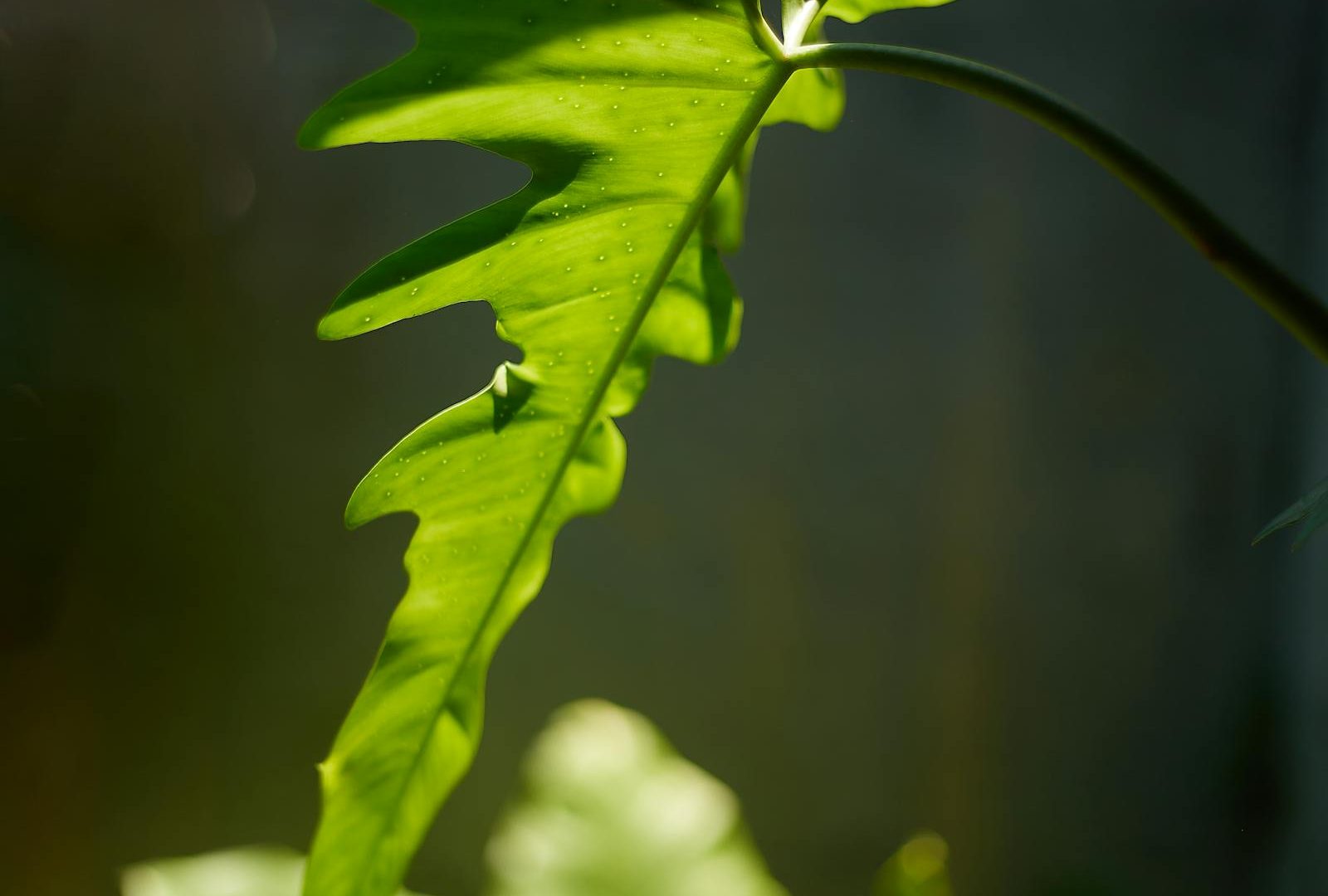
My worst import loss happened on a Thursday afternoon. A variegated Philodendron arrived in a heat pack that had gone cold about 36 hours earlier, I unboxed it in a hurry, dropped it straight under a grow light, and misted the leaves because that felt useful. Within nine days three leaves had crisped from the tip inward and the newest node aborted. Nothing about that plant was doomed on arrival. I rushed it. Every collector I trade with has a version of that story, and almost all of them trace back to the first 72 hours after the box opens.
What follows is the routine I now run on every new arrival, whether it is a $14 nursery Pothos or a wildly overpriced cutting from an Indonesian seller. It is boring on purpose. Boring is what keeps leaves on the plant.
Why acclimation matters more than you think
A plant leaves its previous environment tuned to a specific set of conditions: light intensity, humidity, root temperature, airflow, and the microbial community in its old substrate. When any one of those shifts by more than roughly 20 to 30 percent in a day, the plant spends stored energy on damage control instead of growth. Stack three or four simultaneous shifts (a common scenario: nursery greenhouse to cardboard box to your living room to a bright shelf) and you get the classic acclimation crash: sudden leaf drop, aborted new growth, or a slow brown creep from the tip.
The University of Florida IFAS extension has been writing about this since the 1970s, when they realized that acclimatization of foliage plants before shipping cut interior-decor losses dramatically. The mechanism is the same in a home. The plant needs a graded transition, not a cliff.
What I do in the first 30 minutes
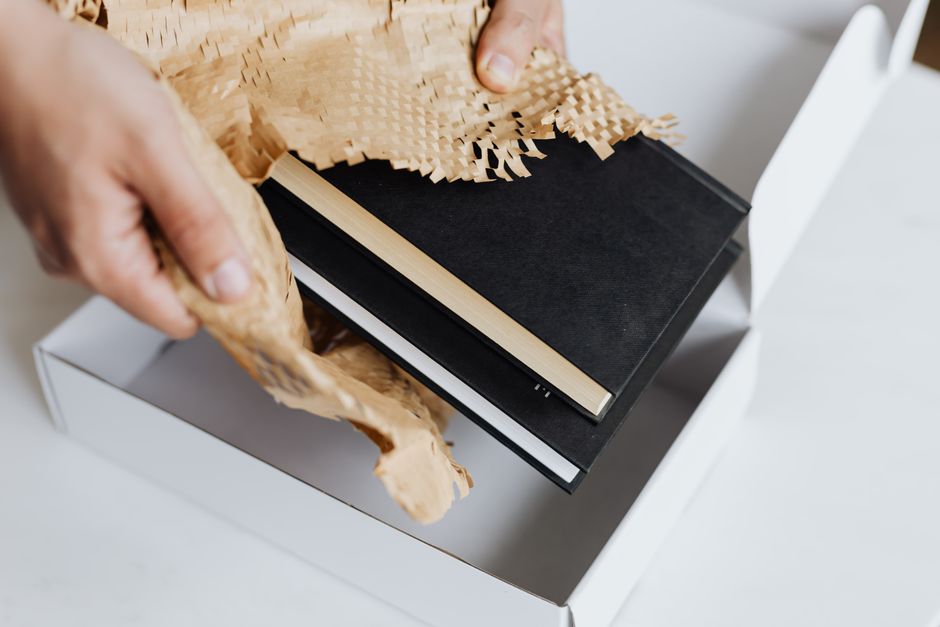
I photograph the box before I open it. I photograph the plant inside its packaging. Then I photograph it once the wrap comes off, from three angles including the underside of every mature leaf. If anything goes wrong later I want a baseline, and if the seller needs to see condition-on-arrival I want it timestamped.
Then I do almost nothing else. The plant goes on a table in the same room where it will eventually live, wrapped loosely in the original paper or a produce bag with a few 6 mm ventilation holes poked through. Room temperature, ambient indirect light, no water, no fertilizer, no repotting. This part lasts between four and eight hours. It sounds ceremonial and it kind of is, but the temperature equalization alone matters. A root ball that came out of a 38°F FedEx truck and hits a 72°F room within an hour is doing something no plant on Earth evolved to handle.
The 21-day acclimation schedule I actually use
This is the schedule taped to the inside of my quarantine cabinet. I adjust it for finicky genera, but the bones stay the same.
- Day 0 (arrival): Unbox, photograph, rest at room temperature in loose wrap for 4 to 8 hours. No water. No light adjustment. No repotting.
- Day 1: Inspect roots without disturbing them. Rinse foliage under lukewarm water only if visibly dusty or if you saw pests in the box. Place in quarantine location at 40 to 50 percent of target light.
- Days 2 to 4: Water only if the substrate is bone dry more than 2 cm down. Humidity 65 to 75 percent for tropicals, ambient for succulents and cacti. No fertilizer.
- Days 5 to 10: First pest check with a hand lens. Increase light to 60 to 70 percent of target. Introduce a weak fertilizer (¼ strength) only if the plant looks turgid and stable.
- Days 11 to 17: Move to 80 percent of target light. If the plant is pushing a root or a leaf, it has cleared the danger zone. Second pest check.
- Days 18 to 21: Repot only now, and only if the current substrate is exhausted, waterlogged, or hiding something you cannot diagnose from the outside. Move to permanent spot.
The temptation to skip to day 21 on the first evening is enormous, especially with an expensive plant you want to show off. Resist it.
Quarantine, honestly
Quarantine is the step most home collectors skip and then regret. I keep a dedicated shelf in a spare bathroom: one shop light, one small clip fan, a hygrometer, and a plastic tote lid to catch drips. Everything new sits there for a minimum of 14 days, longer if I bought from a source I do not fully trust.
Here is what I look for during that window, and how often.
| Pest or issue | Where to check | Frequency | First-line response |
|---|---|---|---|
| Spider mites | Leaf undersides, new growth | Every 3 days | Rinse foliage, apply insecticidal soap, raise humidity above 55% |
| Thrips | Petiole junctions, sheaths, silvery scarring | Every 3 days | Yellow sticky card, systemic if confirmed, isolate for 30 days |
| Fungus gnats | Top 2 cm of substrate, drainage tray | Daily glance | Let substrate dry, mosquito bits, replace top layer with grit |
| Mealybugs | Node crevices, leaf axils | Weekly, with hand lens | Spot-treat with 70% isopropyl on a swab, repeat every 5 days |
| Root rot | Substrate smell, base of stem firmness | Day 7 and day 14 | Unpot, trim mush, dry-mount or fresh chunky mix |
Two weeks feels long when you are itching to style your new plant on the shelf. It is short compared to the six months it takes to eradicate a thrips outbreak that hitched a ride onto every other pot in the room.
Light and humidity: the numbers I aim for
I stopped guessing on light after I bought a $35 PAR meter, and I wish I had done it three years earlier. For a plant transitioning out of a greenhouse where it was likely receiving 200 to 400 µmol/m²/s of PPFD, my home shelf at 90 to 150 µmol/m²/s is a real drop. The plant needs about two weeks to redistribute chloroplasts and adjust cuticle thickness before it can use higher light without bleaching.
Rough numbers I use:
- Tropical aroids acclimating: 80 to 120 µmol/m²/s, 12 hours per day
- Calatheas and marantas: 60 to 100 µmol/m²/s, 12 hours per day, humidity above 60 percent
- Succulents and cacti: full ambient window light, no supplemental for the first week
- Room temperature: 65 to 78°F, avoid drafts within 1 meter of the plant
- Humidity for most rainforest species during acclimation: 65 to 75 percent
- Airflow: gentle, indirect, from a clip fan on the lowest setting at least 2 meters away
The RHS guidance on houseplant humidity is a good sanity check if you are new to the numbers. A cheap digital hygrometer that costs $8 will save you from a lot of second-guessing.
Repotting: the case for waiting three weeks
Everyone wants to repot on day one. I understand it. Nursery pots are ugly, the substrate looks like it came from a landscaping site, and you have the perfect terracotta ready. Repotting during acclimation stacks a fifth simultaneous stressor onto a plant that is already juggling four.
The only reasons I repot before day 21 are: root rot confirmed by smell and touch, substrate holding water for more than 5 days without drying, visible pest infestation in the medium, or a pot so small the plant tips over. Otherwise I wait until I see a new leaf or root pushing, which is my proof that the plant has made peace with my house. Then I repot.
When I do repot, I match the water-holding character of the previous substrate roughly, then shift toward my house mix over the next repot cycle. A plant grown in pure sphagnum does not want to hit pure bark on day 22. It wants something in between for a while.
What a successful acclimation actually looks like
People often ask me how to tell if a plant has settled in. It is quieter than you expect. The old leaves stop drooping between waterings. The petioles firm up. Around week three or four you see a new spear emerging, or in the case of a cutting, a root tip pushing white through the moss. There is no dramatic moment. The plant just stops looking anxious.
The failed acclimation, by contrast, is loud: yellowing that marches up from the oldest leaf, an aborted new leaf that never unfurls, a stem that softens at the soil line overnight. If you catch that in week one you can often still save the plant by dialing everything back one notch: less light, less water, more humidity, more patience.
Frequently asked questions
Should I water a plant the moment it arrives?
Usually no. Most sellers water thoroughly the day before shipping, and the closed box holds humidity around the root ball. I check moisture with a wooden skewer 2 cm into the substrate. If it comes out damp, I wait. Watering a cold, stressed root system pushes some plants straight into rot within 48 hours.
How long should I keep a new plant in quarantine?
14 days is my minimum for a trusted domestic seller, 21 days for anything imported or from an unfamiliar source, and 30 days if I saw a single suspicious spot on any leaf. Thrips in particular have a life cycle that hides eggs for 8 to 12 days, so a 7-day quarantine gives you false confidence.
Is misting helpful during acclimation?
Not really. Misting raises humidity for about 15 minutes and can encourage bacterial spotting on tender new leaves. A humidifier, a pebble tray, or a clear tote with ventilation holes gives you a stable 60 to 75 percent much more reliably. I only mist to rinse dust or spot-apply a foliar treatment.
My plant dropped a leaf on day three. Did I kill it?
Probably not. A single leaf drop, especially of the oldest leaf, is a normal stress response as the plant rebalances what it can support. Watch for pattern: one leaf over three weeks is fine, three leaves in five days is a signal to check roots, light, and airflow immediately.
Can I skip acclimation for a common nursery plant like a Pothos?
You can, and most of them will forgive you. I still run at least a shortened version, roughly seven days at reduced light with no fertilizer and a pest inspection, because pothos are notorious carriers of mealybugs from big-box store benches. Bringing an unchecked pot into a collection has cost me weeks of treatment more than once.
]]>Frequently asked questions
How do I know if I have thrips?
Look for silvery or pale streaks on leaves, tiny black dots (excrement), distorted new growth. Use a magnifying glass to spot the actual insects on leaf undersides or in axils.
Are thrips dangerous to me or my pets?
No. Thrips affect plants only. They don't bite humans or pets.
How long does it take to eliminate thrips?
Minimum 3 weeks of consistent treatment. Severe infestations may take 4-6 weeks. The 2-4 week life cycle requires repeated treatment to catch each generation.
Can a plant recover from thrip damage?
Yes, if damage is less than 30-40% of leaves. The plant produces new healthy growth once thrips are eliminated. Existing damaged leaves can be removed once new growth is established.