A tropical houseplant almost never collapses without warning. It sends a series of small, quiet signals for two or three weeks before anything dramatic happens, and most of us miss the first four out of five. I did for years. My first Alocasia zebrina went from proud to bare in eleven days, and when I finally sat down to reconstruct what I had ignored, I could count at least six moments where a five-minute intervention would have saved it. That failure is what turned me into someone who reads plants instead of just watering them.
What follows is the diagnostic sequence I now use before I touch a watering can, plus the specific thresholds I trust after eight seasons of keeping notes on around forty tropicals in a Pacific-coast apartment with unreliable radiator heat.
Why distress looks so generic at first glance
Yellow leaves. Brown tips. Drooping. Curling. Every tropical uses roughly the same alphabet to say something is wrong, and the letters overlap between causes that need opposite fixes. Root rot and drought both cause limp leaves. Low humidity and salt buildup both crisp the edges. A calathea will curl its leaves for at least five different reasons, only one of which is actually thirst.
The mistake I made for a long time was treating any single symptom as a diagnosis. A yellow leaf is a data point, not a verdict. The plant is telling you something changed 10 to 20 days ago, and your job is to work backward through the last three waterings, the last cold night, and the last time the pot moved more than a foot.
The three-minute triage I run every Sunday
I walk the collection once a week with a moisture meter, a small notebook, and a phone light. It takes about three minutes per plant and it has cut my losses to nearly zero. The order matters, because each step rules out categories of problems.
- Look at the newest leaf, not the oldest. A plant sacrifices old growth to protect new growth, so distress in the newest emerging leaf is a red alert. Deformed, half-sized, or brown-tipped new leaves usually mean root damage or a sudden humidity crash within the last 7 to 14 days.
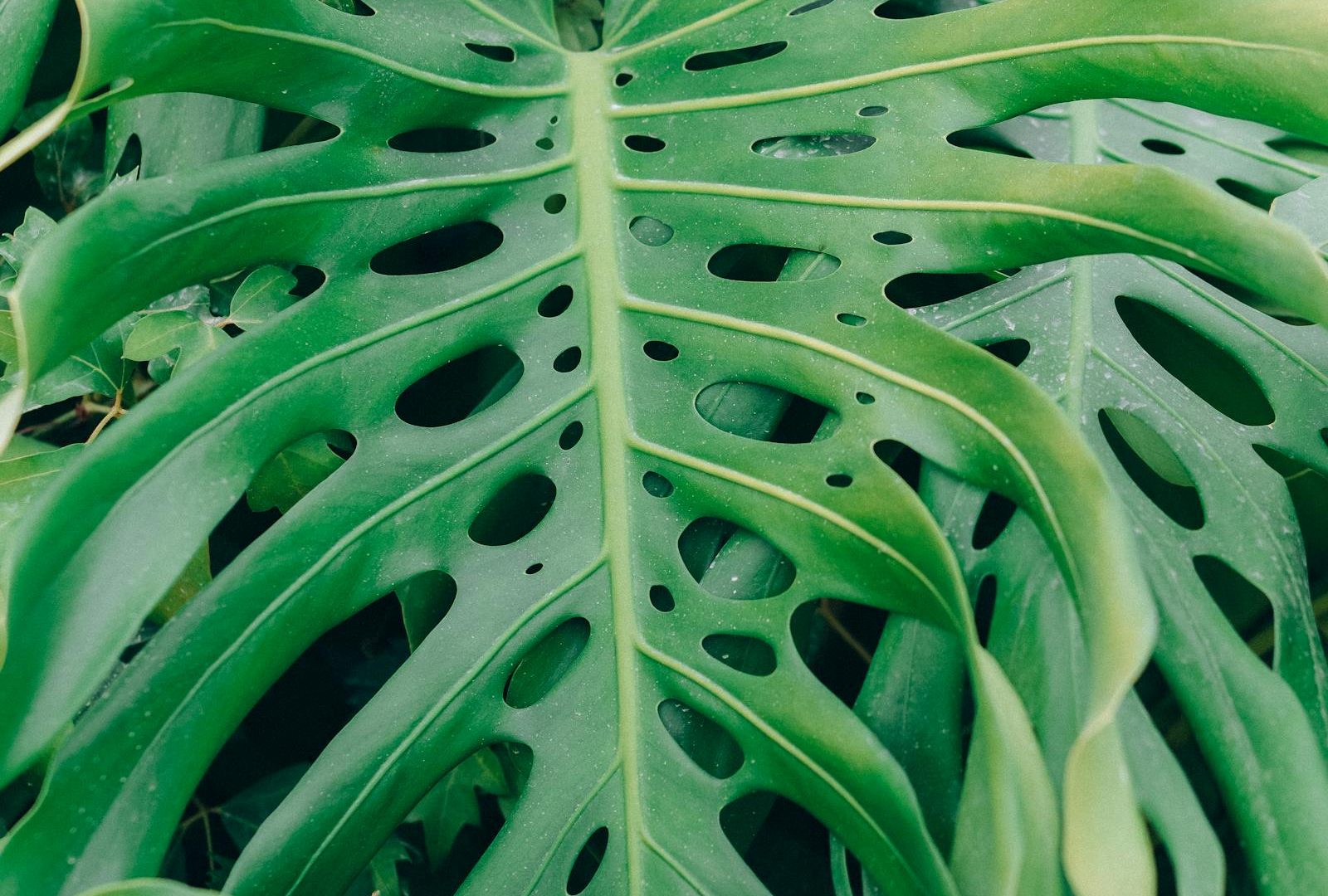
- Lift the pot. Weight tells you more than any meter. I know within an ounce what each of my aroids weighs saturated versus bone dry. If a monstera that should weigh 4 pounds wet feels like 2 pounds and the top inch is still damp, the roots are gone.
- Check the underside of two leaves. Spider mites, thrips, and mealybugs establish underneath before you ever see damage on top. I use a jeweler’s loupe at 10x magnification. This one habit has caught 4 infestations in the last year, all before visible leaf damage.
- Feel the soil at the drainage hole, not the surface. The top can be dust-dry while the core is a swamp, especially in nursery pots with dense peat. Push a chopstick to the bottom, pull it out, and look at what clings to it.
- Note the ambient reading. I keep a $12 hygrometer beside each humidity-sensitive plant. Anything below 45% for a calathea gets flagged. Anything below 30% for an anthurium gets moved.
What each symptom actually means
Below is the reference table I keep taped inside the cabinet where I store my substrate. It is not exhaustive, but it covers roughly 85% of the calls I have to make in a given month. The right column is the first thing I check, not the answer.
| What you see | Most likely cause | First thing to verify |
|---|---|---|
| Yellow lower leaves, firm stem | Overwatering or old-leaf turnover | Root firmness and pot weight |
| Yellow leaves, mushy petiole | Root rot in progress | Smell the drainage hole |
| Crispy brown edges, papery | Low humidity or fluoride burn | Hygrometer reading under 40% |
| Brown tips with yellow halo | Salt or fertilizer buildup | Last flush date |
| Curled leaves, dry soil | Underwatering or root damage | Chopstick test at depth |
| Curled leaves, wet soil | Cold shock or root suffocation | Nighttime temperature log |
| Deformed new growth | Thrips, calcium deficiency, or heat stress | Loupe check of new leaf spear |
| Sudden drooping, no color change | Cold draft or transplant shock | Recent moves or window openings |
| Silvery stippling on leaf tops | Spider mites, established colony | Underside webbing |
| Black spots with yellow ring | Bacterial leaf spot | Isolate immediately |
The humidity number that most guides get wrong
Almost every care sheet online says tropicals need 60% humidity. That is technically true and practically useless, because home humidity is not a steady number. Mine swings from 55% at 6 a.m. to 32% by 3 p.m. in winter, and it is the low point that damages plants, not the average.
What I actually track is the daily minimum. A calathea can tolerate a 40% dip for a few hours if it recovers overnight. What kills it is 32% for six consecutive hours while the heater runs. I bought a hygrometer that logs 24-hour minimums for about $18, and it changed how I place plants more than any other single purchase.
The University of Minnesota Extension has a good primer on how low humidity compounds pest pressure, which is the part most people miss. Spider mites explode below 40% RH not because they love dryness, but because the plant’s defenses drop.
Root inspection, and when to actually do it
I used to unpot plants at the first yellow leaf. It is almost always the wrong move. Repotting resets the plant’s clock and adds 2 to 4 weeks of recovery time, and if the roots are fine you have just injured a healthy plant for no reason.
The rule I follow now: unpot only if two independent signals point to roots. Yellow lower leaves alone is not enough. Yellow leaves plus a suspiciously light pot is enough. Yellow leaves plus a sour smell at the drainage hole is enough. Deformed new growth plus any moisture anomaly is enough.
When I do unpot, I look for three things in this order:
- Root color. White or cream is healthy. Tan is aging but fine. Dark brown or black is dead.
- Root texture. Firm and springy is healthy. Hollow or slimy is rot.
- Smell. Earthy is healthy. Sour, sulfurous, or fishy is anaerobic breakdown.
If more than 30% of the root mass is compromised, I cut it back to healthy tissue with sterilized snips, dust with cinnamon (a mild antifungal I have used for years without issue), and repot into a chunkier mix with 40% perlite or pumice. Recovery in a plastic bag tent, out of direct sun, for two to three weeks.
The observations that are worth writing down
The single practice that made me a better plant reader was keeping a one-line log per plant per week. Not a diary, just a spreadsheet. Date, weight, hygrometer reading, any new leaf progress, anything unusual. After about six months of data I could predict problems 10 days out because I saw patterns I would never have caught by memory.
One example: my Philodendron gloriosum drops a leaf every October within a week of the heater kicking on. It looks alarming the first year. By year three it is just what she does, and I preempt it now by moving her to the bathroom before the thermostat clicks over.
The RHS guide to houseplant problems makes a similar point about seasonal patterns being distinct from disease, and I think it is the most underappreciated distinction in indoor plant care.
Frequently asked questions
How many yellow leaves is normal before I should worry?
One yellow leaf every 4 to 6 weeks on a mature tropical is usually just turnover, especially on the oldest growth. Two or more yellow leaves in the same week, or any yellow leaf on new growth, is worth investigating. The pattern matters more than the count.
Should I mist my plants to raise humidity?
Misting raises humidity for about 10 to 15 minutes, then it is gone. It does not meaningfully help humidity-sensitive plants and can actually spread bacterial leaf spot. A pebble tray, grouping plants together, or a small ultrasonic humidifier are all substantially more effective for a fraction of the effort.
Why does my plant look worse a week after I repotted it?
Repotting causes root disturbance, and the plant often drops 1 to 3 leaves in the following 2 weeks as it reallocates energy. This is normal if new roots are growing. It becomes a problem if the drooping persists past 3 weeks or if the newest leaf shows damage, which suggests the new substrate is holding too much water.
Can a plant recover from severe root rot?
Yes, if you catch it while at least 20 to 30% of the root mass is still white and firm. I have brought back an Anthurium clarinervium that lost about 70% of its roots by cutting back hard, wrapping the remaining crown in damp sphagnum, and keeping it in a covered tote for 5 weeks. Water propagation is another route worth trying before you compost the plant.
Is bottom watering better for stressed plants?
For plants recovering from crispy tips or salt buildup, no, because bottom watering concentrates minerals in the top layer of soil. For plants with dry-out issues in dense mixes, bottom watering for 15 to 20 minutes once a month can help the core rehydrate. It is a tool, not a rule.
Frequently asked questions
How do I know if a plant is in distress?
Multiple signals: drooping leaves, color changes, slower or no new growth, smaller new leaves than previous ones, or distorted growth. Compare current condition to a few weeks ago — the trend matters.
Should I act immediately when I see distress signs?
Depends on severity. Acute distress (rapid yellowing, severe drooping) requires immediate attention. Slow declines benefit from systematic diagnosis before intervention.
How long should I wait between interventions?
4-8 weeks. Most plant responses develop over multiple weeks. Frequent changes prevent you from identifying what's working.
Can I read distress in succulents?
Yes, but signs differ from tropicals. Succulents show stress through wrinkling, soft spots, dropped leaves, or color changes. The principles transfer; the specific signals are species-specific.