My fertilizer shelf used to look like a chemistry set nobody trusted: half-empty bottles from three different brands, a jug of kelp I bought during a phase, and a bag of dry synthetic I kept swearing I would measure properly. The collection kept growing anyway, which is the thing nobody warns you about. Once you cross forty or fifty plants across different substrates and light zones, the casual “feed every other watering” advice stops working. Some plants get pushed too hard, others quietly starve, and a couple always seem to be recovering from something. What follows is the routine I settled on after roughly four years of tweaking, killing a Philodendron gloriosum I still think about, and finally writing everything down.
Why mature collections need a different approach
A single monstera on a windowsill forgives almost anything. A room with 60 plants under supplemental light does not. The variables compound. You have semi-hydro pots next to chunky aroid mix next to a couple of stubborn calatheas still in peat. Each substrate holds nutrients differently. Each species has its own tolerance for salt buildup. And unlike a beginner setup, a mature collection has plants that have been in the same pot for two or three years, meaning the substrate itself has changed chemistry underneath you.
The mistake I made early on was treating fertilizer as a growth accelerator. It is not. In a stable collection, fertilizer is a maintenance input. You are replacing what the plant removed from the substrate, plus a small buffer for growth. Feeding harder than that just parks salts around the roots and gives you the classic crispy-edge, pale-new-leaf combination that looks like a lighting problem but is not.
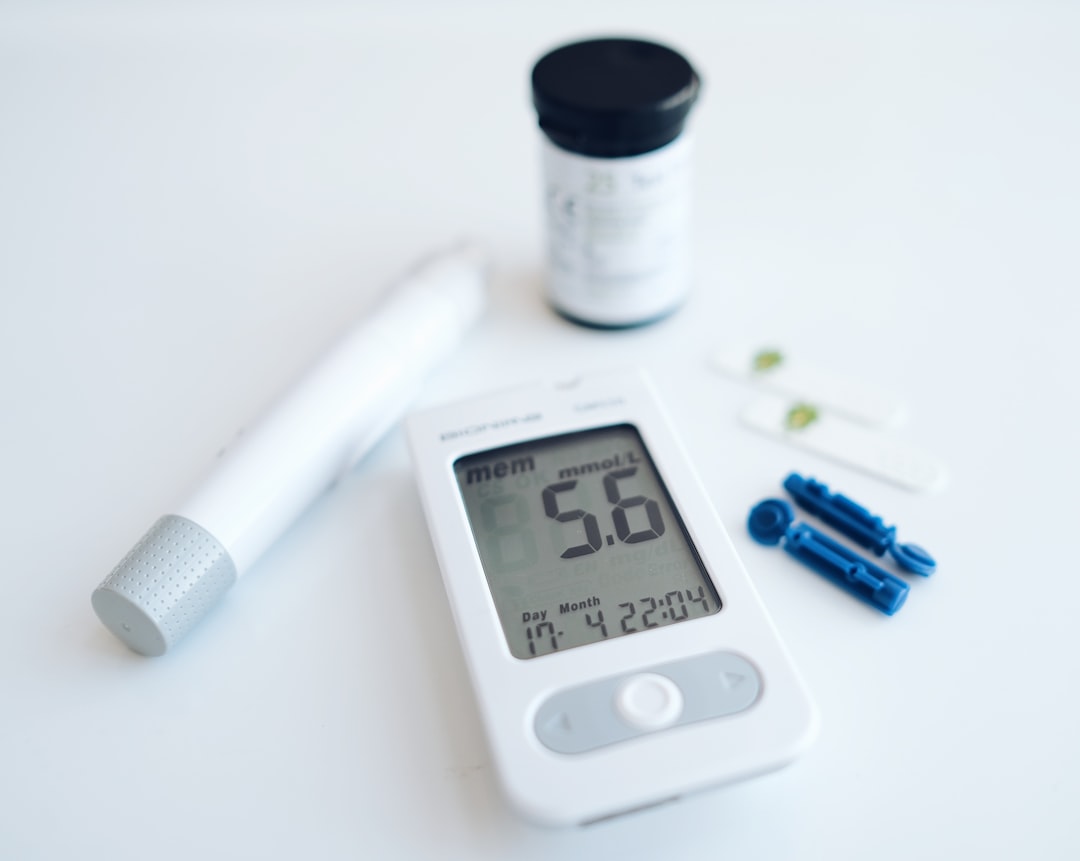
The one tool that changed everything: an EC meter
An electrical conductivity meter costs around 15 dollars and it does more for a collection than any fertilizer brand switch ever will. It measures dissolved salts in your nutrient solution, which is the actual thing your roots respond to. NPK labels are useful but they do not tell you what strength you are actually delivering once mixed.
My working targets, measured at the point the solution leaves the watering can:
- Aroids in chunky mix (philodendron, monstera, anthurium): 600 to 900 microsiemens per centimeter.
- Thin-leaved tropicals (calathea, maranta, stromanthe): 400 to 600 microsiemens.
- Semi-hydroponic setups in LECA or pon: 800 to 1100 microsiemens, refreshed weekly.
- Recovering or newly propagated plants: 200 to 350 microsiemens for the first six weeks.
- Alocasia and colocasia in active growth: 700 to 900 microsiemens, dropped to 300 in winter.
Tap water baseline matters. Mine reads about 180 microsiemens before I add anything, so the numbers above are total, not additional. If your water is harder, subtract accordingly or you will overfeed without noticing.
The two-bottle system I actually use
I tried the full hydroponic three-part regime for a while. It works beautifully and I do not recommend it for a mixed houseplant collection unless you enjoy the ritual for its own sake. What I use now is two bottles: a balanced synthetic (a 3-1-2 style ratio at low concentration) and a calcium-magnesium supplement. That is it. The kelp and fish emulsion phase ended when I noticed fungus gnats treating the pots like a resort.
The reason a slightly nitrogen-forward ratio works across so many genera is that indoor plants under artificial light are almost always foliage-limited rather than bloom-limited. Nobody is trying to flower an anthurium clarinervium in their living room. You want leaves, and reasonable ones, not enormous soft ones that flop within a week.
A monthly rhythm that survives real life
The routine has to be simple enough that I can execute it after a 10-hour work day. Here is what a month looks like across the whole collection:
| Week | Action | Notes |
|---|---|---|
| 1 | Feed at target EC | Full strength for the substrate, water until 15 to 20 percent runs out the bottom. |
| 2 | Plain water | Same volume, no fertilizer. Lets roots breathe. |
| 3 | Feed at target EC | Add calcium-magnesium this round if using RO or rainwater. |
| 4 | Flush | Three times the pot volume in plain water. This is the non-negotiable step. |
The monthly flush is the single practice that separates collections that stay healthy for years from ones that mysteriously decline around month 18. Salts accumulate silently. A proper flush pushes them out before they concentrate at the root zone. I do it over the tub on a Sunday morning while the coffee is brewing, moving pots in and out. It takes maybe 40 minutes for the whole collection.
Seasonal shifts that actually matter
Most fertilizer advice treats “winter” as a single event: reduce feeding. That is directionally right but too vague once you have a serious collection. What actually happens indoors is more specific. Day length under natural light drops to under 10 hours in December at my latitude. If your grow lights are on the same schedule year-round, your plants under those lights barely notice winter and can be fed close to normal. Plants relying on window light should be cut to about a third of summer rates by late November.
I keep a simple note in my phone with three feeding modes and switch the whole collection between them:
- Active growth mode (March through September): full EC targets, monthly flush.
- Transition mode (October, February): 60 percent EC, monthly flush maintained.
- Rest mode (November through January): 30 percent EC for window-light plants, full EC for anything under a 12-hour light cycle, flush every 6 weeks.
The flush cadence never gets cut, even in winter. Plants use less water when cold and slow, so salt buildup per unit of fertilizer applied is actually worse in winter, not better. This is counterintuitive and I got it wrong for the first two years.
Substrate age and the invisible problem
A three-year-old chunky aroid mix is a different substance than the day you potted it. Bark has broken down. Perlite has migrated toward the bottom. Cation exchange capacity has shifted. The same fertilizer dose that was appropriate at year one is now sitting in a substrate that holds moisture longer and drains slower. If you have not repotted in over two years, drop your EC target by about 20 percent and increase flush frequency. Or repot, which is usually the honest answer.
For anyone wanting to go deeper on the underlying chemistry, the University of Minnesota Extension guide on fertilizing houseplants is a solid, non-commercial reference, and the RHS notes on feeding houseplants cover the seasonal logic well.
Signs I am getting it wrong
The collection tells me when the routine drifts. Three specific signals I watch for, in this order of usefulness:
- New leaves smaller than the previous flush, on a plant otherwise unchanged: underfeeding or root problems, usually the former in a mature setup.
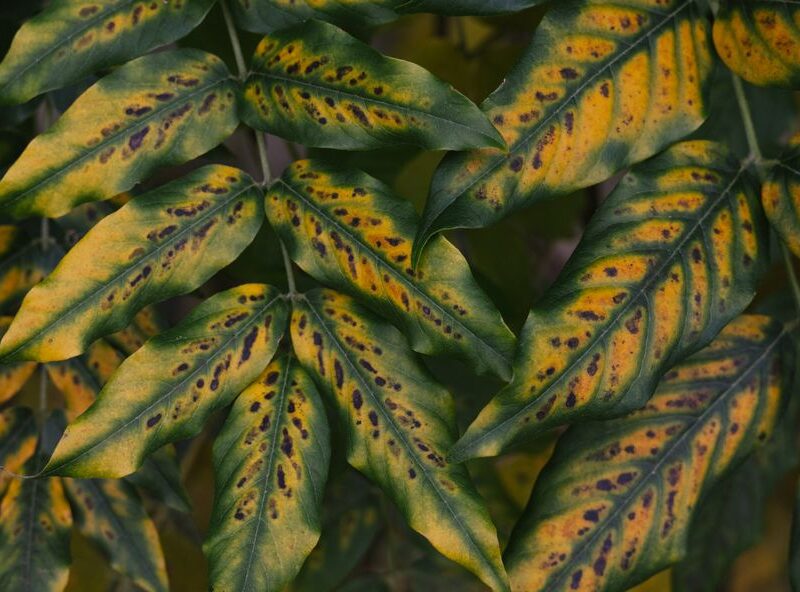
- Crispy leaf tips on calatheas and marantas within two weeks of a feed: too much fertilizer, or hard water without a flush.
- White crust on the top of the substrate or around the pot rim: salt accumulation, flush overdue.
Yellowing lower leaves get more attention than they deserve. On a mature plant, one or two lower leaves yellowing per season is normal senescence, not a fertilizer problem. I stopped chasing this signal years ago.
Frequently asked questions
Can I use one fertilizer for my entire collection?
Yes, and I would argue you should. A balanced synthetic at a 3-1-2 or 2-1-2 ratio, diluted to the EC target appropriate for each substrate, covers 95 percent of common houseplant genera. Complexity in a mixed collection almost always comes from the concentration and cadence, not the product itself. The exceptions are true epiphytes grown mounted, which prefer very dilute foliar feeding, and any carnivorous plants, which need entirely different handling.
How do I know if my tap water is a problem?
Measure it with the same EC meter you use for fertilizer. Under 200 microsiemens is generally fine for anything except the fussiest calatheas. Between 200 and 400 is workable but you should flush more often. Above 400, or if you know your water is softened with sodium, switch to rainwater or reverse osmosis for anything sensitive. Chlorine is less of an issue than most people think; letting water sit overnight handles it.
Should I fertilize newly repotted plants?
Wait four to six weeks. Fresh substrate typically has some nutritional charge, and disturbed roots do not need salts pressed against them while they recover. I water plain during this window and watch for new root growth pushing through drainage holes before I resume feeding at half strength.
Is slow-release fertilizer worth using in a collection?
I keep it out of my main routine because it removes control. In a mature collection you want to be able to dial feeding up or down by season and by substrate age, and osmocote-style pellets keep releasing regardless. I do use them sparingly in outdoor summer pots where I water less predictably, but not indoors.
How often should I actually flush?
Once a month for anything in soil-based mix, once every two to three weeks for semi-hydro setups where nutrients concentrate faster, and immediately any time you see white salt crust or unexplained tip burn. Flushing is cheap insurance and it has never made a plant worse in my experience.
Frequently asked questions
What do mealybugs look like?
White cottony spots, often in leaf axils or under leaves. They look like tiny pieces of cotton or fungus. Sometimes you can see tiny pinkish-gray crawlers (the immature stage).
Can mealybugs hurt my pets?
No. Mealybugs affect plants only. They don't bite humans or pets.
How long does mealybug treatment take?
Minimum 3 weeks. Severe infestations may take 4-6 weeks. The 4-6 week life cycle requires repeated treatment to catch each generation of crawlers.
Will rubbing alcohol harm my plant?
Generally no when used precisely with cotton swabs. Don't soak the entire leaf in alcohol — just dab visible mealybugs. Some sensitive plants (begonias, some calatheas) may show light damage from alcohol contact; test on a small area first.