My first queen anthurium arrived in a wet plug of sphagnum on a Tuesday in February, and the courier had left it against a north-facing door for six hours in 38-degree weather. The leaf that eventually unfurled that spring was a pale, hesitant thing about 9 inches long, half the size of the sibling leaf it came in with. That leaf taught me more about Anthurium warocqueanum than any care guide I had read up to that point, and most of what I know now started with the small corrections I made in the months after.
The queen anthurium has a reputation for being difficult, and the reputation is partly deserved and partly a story we tell each other because the plant is expensive and the failures feel personal. In practice she is not delicate so much as specific. She wants a narrow band of humidity, an airy root run, moving air, and a grower who resists the urge to fuss. Everything below comes from four years of keeping this plant in a spare bedroom converted into a grow space, not from a nursery setting where automated misting solves half the problems for you.
Reading the plant before you read the care sheet
Before I get into numbers, a habit worth building: look at the newest leaf, the petiole angle, and the aerial roots every morning for the first two weeks a new warocqueanum is with you. A leaf that hardens off short and pale is telling you the humidity dropped during unfurling. A petiole that arches sharply downward is usually a light complaint, not a water one. Aerial roots that stop extending and turn matte grey mean the root zone has gone anaerobic and you have maybe a week before the deeper roots follow.
None of this is in the plant tag. It is the sort of thing you notice once you have killed a leaf or two and gone back through your notes wondering what shifted.
Humidity, and why 70 percent is the honest floor
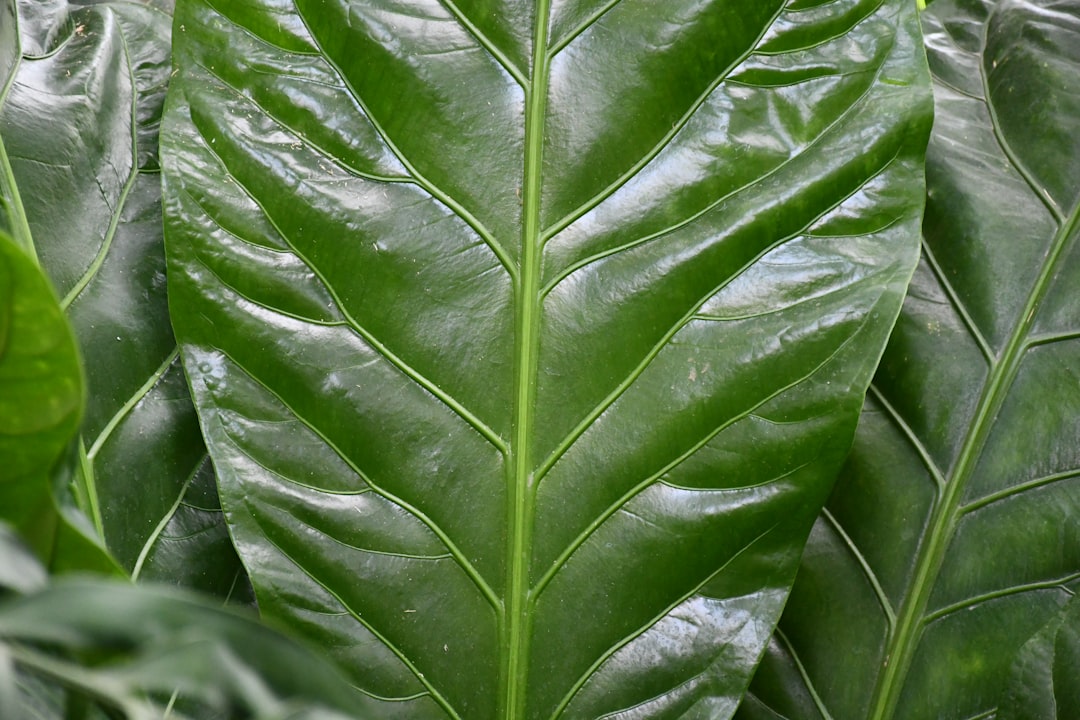
Most guides will tell you warocqueanum tolerates 60 percent humidity. In a heated home in winter, it does not, at least not in a way that produces the long velvet leaves people buy the plant for. My grow room sits between 72 and 82 percent most of the year, dipping to 68 percent for a few hours after I open the door in the morning. Leaves that hardened off at 75 percent averaged 22 inches in my notes. Leaves that hardened off during a two-week stretch when my humidifier failed and the room sat at 55 percent came in at 11 inches, puckered along the midrib, and never caught up.
A cheap ultrasonic humidifier will not hold a whole room. I run a 6-liter evaporative unit with a hygrostat set to 74 percent, positioned about 4 feet from the plants so the cool mist has time to disperse. A small clip fan on the opposite wall runs 24 hours a day at its lowest setting. The airflow matters as much as the humidity number, because still humid air is where bacterial leaf spots start.
Light: bright, indirect, and boring
Warocqueanum wants around 150 to 250 foot-candles of steady light for most of the day, which is roughly 1,500 to 2,500 lux on the meter. I use a Sansi 24W full-spectrum bulb about 20 inches above the leaves, on a timer for 12 hours. She sits about 6 feet back from an east-facing window, so the grow light does most of the actual work and the window contributes seasonal variation the plant seems to appreciate.
Direct morning sun for even 30 minutes will bleach the velvet in patches that never recover. If you see a section of leaf going matte and slightly silver where the rest is deep green, that is sun damage, not a nutrient issue. Move the plant before you change anything else.
Substrate: the mix I settled on after three failures
The queen is a hemiepiphyte. Her roots want air more than they want water, and a peat-heavy aroid mix will rot her from the crown down inside two months. I went through a chunky bark mix, then a straight sphagnum setup, then a pon experiment before landing on what I use now.
| Component | Proportion | What it does |
|---|---|---|
| Orchid bark, medium grade | 40% | Structure, air pockets, slow breakdown |
| Perlite, coarse | 25% | Drainage, keeps the mix from compacting |
| Long-fibered sphagnum | 20% | Holds moisture near the roots without suffocating them |
| Horticultural charcoal | 10% | Buffers against sour spots in the pot |
| Worm castings | 5% | Gentle background nutrition |
I pot into a net pot inside a decorative cover pot, never directly into a solid ceramic. The net pot lets me lift the plant, look at the roots, and smell the substrate, which is the fastest diagnostic you have.
Watering: a rhythm, not a schedule
I water when the sphagnum layer near the top of the mix has gone from spring-fresh to just barely springy, usually every 6 to 9 days depending on the season. I flush the pot until water runs freely from the bottom, let it drain for 20 minutes, and put it back. Once a month I water with a quarter-strength balanced fertilizer, something like a 20-20-20 diluted to about 150 ppm nitrogen. The queen is not a heavy feeder and salt buildup at the root collar will kill her faster than underfeeding.
Mounting, staking, and the question of moss poles
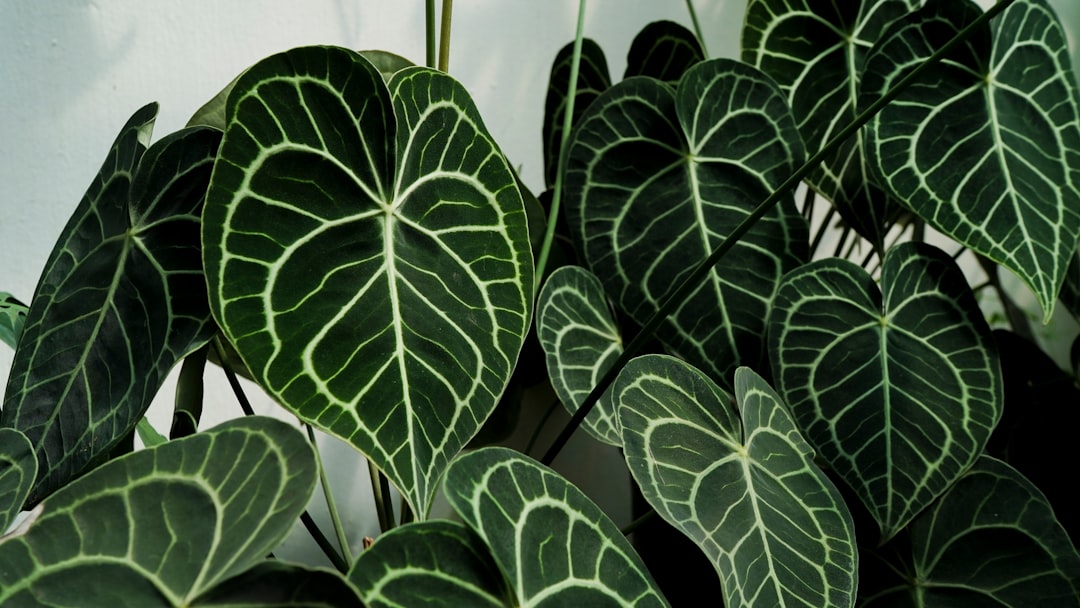
Warocqueanum in the wild hangs downward from a tree. In a pot, she wants to climb, and if you do not give her something to climb she will send petioles out sideways at increasingly awkward angles. I use a slab of tree fern about 24 inches tall, wrapped loosely with sphagnum along the top third, and I tie the base of the plant to it with soft plant tape. Within a season the aerial roots grip the slab and the plant stops needing the tape.
I have tried moss poles and I keep coming back to slabs. A moss pole stays wet longer than warocqueanum’s aerial roots want, and the interior of a moss pole is where I have most often found the first signs of rot creeping up into the crown.
A monthly checklist I actually use
- Lift the pot. If it feels the same weight as it did after the last watering, you are watering too often.
- Smell the drainage holes. Sour or sulfurous means anaerobic substrate; repot within the week.
- Check the newest leaf for even color. Patchy pale sections along the veins usually mean magnesium is low; a foliar spray of Epsom salts at 1 teaspoon per gallon fixes it within two weeks.
- Inspect the underside of every leaf with a jeweler’s loupe for thrips. Warocqueanum is a thrip magnet and early damage looks like tiny silver stipples.
- Wipe the leaves with a barely damp microfiber. Not for shine, for dust; velvet leaves photosynthesize badly under a film of household dust.
Common problems and what they usually mean
- New leaf smaller than the last: humidity dropped during unfurling, or the plant is root-bound and needs a size up.
- Brown crispy leaf edges: humidity below 60 percent, often overnight when the humidifier tank runs dry.
- Yellowing older leaf, evenly: normal senescence, especially after a new leaf hardens off.
- Yellowing with dark waterlogged patches: bacterial leaf spot, usually from overhead misting with still air. Cut the affected leaf at the petiole, sterilize your blade, improve airflow.
- Petiole blackening at the base: crown rot. Unpot immediately, cut back to clean tissue, treat with cinnamon or a copper fungicide, and reroot in pure sphagnum in a covered container.
For the botanical background and native range, the Missouri Botanical Garden plant finder is a useful reference, and the International Aroid Society keeps the most accurate taxonomic notes on the genus.
What four years of notes actually taught me
The queen anthurium is not a plant you can rush. My best leaf so far is 31 inches long and took 14 weeks from spear to hardened. During those weeks I did almost nothing: kept the humidifier topped up, ran the fan, watered on rhythm, and stayed out of the way. Every failure I have logged came from an intervention I made because I was anxious, not because the plant asked for one. If you can build a stable environment and then leave it stable, you have already solved most of what makes this plant hard.
Frequently asked questions
How long does it take an Anthurium warocqueanum leaf to reach full size?
In my grow space, a new leaf takes 10 to 16 weeks from the moment the spear becomes visible to fully hardened velvet. Younger plants push leaves faster but smaller. A mature plant with a strong root system will slow down but each leaf will be significantly larger than the last, assuming humidity and light stay stable through the unfurling window.
Can I grow a queen anthurium without a grow tent or cabinet?
Yes, but you need to commit to a humidifier that can actually hold the room. A small bathroom humidifier will not do it in winter. I grew mine in an open bedroom for two years before I built a proper cabinet, and the trick was running a 6-liter evaporative humidifier on a hygrostat and keeping a fan on low continuously. Expect somewhat smaller leaves than cabinet growers report.
Is Anthurium warocqueanum toxic to cats and dogs?
Yes. Like most aroids, it contains insoluble calcium oxalate crystals that cause mouth and throat irritation, drooling, and vomiting if chewed. It is rarely fatal but genuinely painful for the animal. I keep mine in a room the cat cannot access, and I would recommend the same for any household with curious pets.
Why is my new leaf coming in with silver or pale patches?
Two common causes. If the patches follow the veins, it is usually a magnesium or calcium issue and a gentle foliar feed will correct it over the next leaf or two. If the patches are irregular and matte, it is almost always light stress, either too much direct sun or a sudden jump in intensity after you moved the plant. Move the plant back and the next leaf should come in clean.
Should I mist my Anthurium warocqueanum?
I do not, and I would advise against it in most home setups. Misting raises humidity for about 20 minutes and leaves water sitting on the velvet where bacterial spots start. A proper humidifier with a fan for air movement does the job humidity is supposed to do, without wetting the leaves. The only time I spray anything on the foliage is a monthly wipe with plain distilled water on a microfiber cloth.
Frequently asked questions
How do I tell a Colocasia from an Alocasia at a glance?
Look at the leaf orientation. Colocasia leaves point downward (the tip drapes toward the ground). Alocasia leaves point upward (the tip lifts skyward). This is the most reliable single visual difference.
Can I grow Colocasia and Alocasia together in one pot?
Not really — their water needs are too different. Colocasia wants consistently moist substrate; Alocasia needs to dry between waterings. One will suffer if you accommodate the other.
Why is my Alocasia dying when my Colocasia in the same room thrives?
Most likely overwatering. Colocasia tolerates wet conditions; Alocasia does not. Same conditions, different tolerances. Adjust Alocasia care to its drier requirements.
Does Colocasia need to go dormant?
Most Colocasias go dormant in cooler months indoors — leaves drop, tuber survives. This is normal and not a problem. Reduce watering during dormancy and watch for new growth in spring.