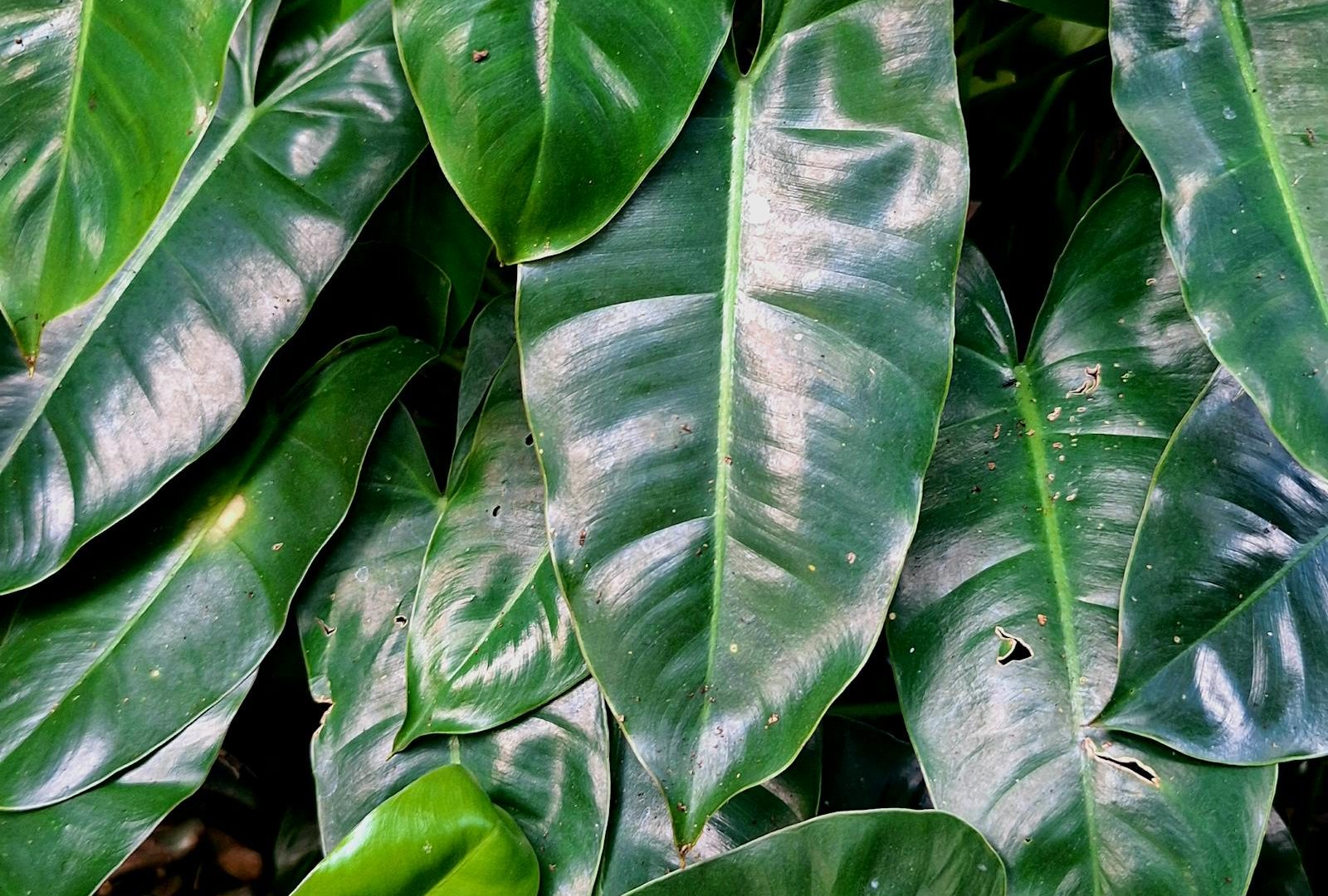
The first time I noticed a soft green haze creeping across the top of a philodendron pot, I assumed I had done something wrong. I hadn’t, exactly. I had done several small things a little too well: watered on a fixed schedule, parked the plant under a bright LED bar, and used a chunky mix that stayed damp on top for days. Algae showed up because I built it a home. Once I understood that, the fix became obvious and the panic went away.
Algae in substrate is a signal, not a disease. It tells you the surface of your medium is staying wet, receiving light, and holding enough nutrients for a photosynthetic organism to move in. None of those things automatically harm your plant. But if you leave the signal unread, it usually points toward a second problem you actually do want to catch early: compacted media, poor airflow, or roots that are not drinking the water you keep giving them.
What that green film actually is
The green, sometimes slippery layer on the top of moist soil, LECA, or sphagnum is almost always a mix of green algae (Chlorophyta) and cyanobacteria. Both photosynthesize. Both need three things simultaneously: light hitting the surface, moisture staying at the surface for many hours a day, and dissolved nutrients (nitrogen and phosphorus in particular). Remove any one of those inputs and the colony collapses within a week or two.
A darker, blue-green, faintly sulfurous crust is more likely cyanobacteria, and it can produce compounds that inhibit seedling roots. On established aroids and calatheas I have never seen it cause visible damage, but I still treat it more aggressively than plain green algae because it is a stronger indicator that the surface is anaerobic.
Why it appeared now and not last month
Algae rarely shows up out of nowhere. When I trace it back, the trigger is almost always one of five recent changes.
- A new grow light, or a lamp moved closer. Even a modest 30 to 50 watt LED at 8 inches over the canopy is more than enough surface light to support algae if the medium stays damp.
- A switch to a finer or more moisture-retentive mix, especially anything heavy on peat, coco coir, or fine bark dust.
- A move into a humidity cabinet or IKEA-style greenhouse where surface evaporation slowed dramatically, often from 40% to 75% ambient humidity.
- A fertilizer bump, particularly synthetic feeds with ammoniacal nitrogen at 150 to 200 ppm every watering.
- Seasonal light change, when winter sun angles reach further into the room and hit pots that were previously shaded.
Before you treat the algae, name the trigger. If you skip that step you will scrape the surface clean and watch the film return in ten days.
Reading the signal: is it cosmetic or is it a warning
Not every green pot needs intervention. I use a quick decision table before I decide whether to leave it, top-dress it, or repot.
| What you see | What it likely means | My response |
|---|---|---|
| Light green film, plant growing normally, roots visible and white at drainage holes | Surface moisture plus light. No root issue. | Top-dress with 1 inch of coarse bark or pumice; move light back 2 to 3 inches. |
| Green film with fungus gnats and a sour smell | Anaerobic pocket at the surface, medium staying wet too long | Reduce watering frequency by roughly 30%; increase airflow with a small clip fan. |
| Dark blue-green crust, plant slowing down or lower leaves yellowing | Cyanobacteria, likely compacted or oversaturated mix | Repot into fresh chunky aroid mix; inspect roots for rot. |
| Green film on LECA in a semi-hydro setup | Nutrient-rich reservoir plus ambient light through clear cup | Switch to an opaque outer pot; flush weekly. |
| Green film on sphagnum around a moss pole | Constant misting plus light | Mist less frequently, water the pole from the top instead. |
The treatment protocol I actually use
When I decide to intervene, I work through the same sequence for every plant. It takes about ten minutes per pot and it has never harmed a plant in my collection.
- Scrape the top half inch of substrate off with a spoon and discard it. This removes the visible colony and its spore reservoir in one motion.
- Let the surface dry for 24 to 48 hours before rewatering. Push a wooden skewer 2 inches deep; if it comes out damp, wait another day.
- Top-dress with 1 inch of coarse orchid bark, horticultural pumice, or perlite. This creates a dry mulch layer that light passes through but water passes away from.
- Move the light source back by 2 to 3 inches, or dim it by 20% if you use a dimmable driver. Aroids grow well at 150 to 250 PPFD at the leaf; they do not need 400.
- Add gentle air movement. A 6-inch clip fan on the lowest setting, aimed across (not at) the pot, drops surface moisture time dramatically.
- Review your fertilizer. If you have been feeding at every watering, drop to every third watering at half strength for a month.
I avoid hydrogen peroxide drenches on established aroids. A 3% peroxide solution will bleach the algae quickly, but it also disrupts the beneficial microbes on the root surface, and in my experience the algae returns within two weeks anyway because the underlying conditions have not changed.
Substrate-specific notes
Chunky aroid mix (bark, perlite, charcoal)
Algae here is usually a top-layer problem only. A bark top-dress and a small fan resolves it. If the whole pot smells sour, the ratio of fine to chunky material has slipped over time as bark breaks down, and it is time to repot. Most of my aroid mixes need refreshing every 12 to 18 months.
Sphagnum moss
Sphagnum will green over quickly under any grow light. I have made peace with a faint green tint on the surface of moss around aerial roots; it does not seem to bother the plant. What I do not tolerate is a slimy dark layer, which means the moss has collapsed and is no longer breathing. Replace it.
LECA and Pon
Semi-hydro is where algae becomes most visible because the reservoir is always wet and the pots are often translucent. The fix is boring but complete: switch to an opaque outer cup or wrap the inner cup in aluminum tape from the water line down. Flush the medium with plain water once a week to keep nutrient concentrations from climbing.
Peat- or coir-heavy mixes
These mixes hold water at the surface for days and will grow algae under almost any light. For collector plants I rarely recommend them. If you inherited a plant potted this way, plan a repot into a chunkier mix rather than fighting the surface indefinitely.
What algae is telling you about your root zone
The reason I take algae seriously is not the algae itself. It is that the conditions producing it (wet surface, low airflow, slow drying) are the same conditions that produce root rot in aroids and calatheas over a longer timescale. When I see green film on three or four pots at once, I treat it as a house-wide audit request: check watering frequency, check fan placement, check whether my winter light schedule is still appropriate now that the sun angle has shifted.
The University of Maryland Extension has a useful reference on houseplant conditions that reinforces the same point from a pest perspective: consistent surface moisture invites problems, and airflow plus appropriate watering intervals prevent most of them. The RHS guidance on watering houseplants is equally blunt about the risks of a fixed schedule.
A short prevention checklist
- Water when the top 1 to 2 inches of substrate feels dry, not on a calendar day.
- Keep grow lights at the recommended distance for their wattage; further is safer than closer for algae.
- Top-dress moisture-retentive pots with 1 inch of pumice or coarse bark.
- Run a small clip fan on the lowest setting for 8 to 12 hours a day near dense plant groupings.
- Use opaque nursery pots inside decorative planters; skip clear cups except for propagation.
- Flush semi-hydro setups with plain water weekly, and refresh the nutrient solution rather than topping it up.
- Refresh chunky aroid mixes every 12 to 18 months before the bark fully breaks down.
Frequently asked questions
Will algae in substrate kill my houseplant?
On its own, no. Green algae and cyanobacteria do not attack plant roots directly. What they signal (persistent surface moisture, poor airflow, sometimes overfeeding) can lead to root problems if left unchanged for months. Address the conditions, not just the film, and the plant is usually fine.
Should I use hydrogen peroxide to kill algae in my pots?
I generally do not. A 3% peroxide drench will bleach visible algae within a day, but it also disrupts beneficial microbes at the root surface and does nothing about the wet, lit, nutrient-rich conditions that produced the algae in the first place. Scraping, top-dressing, and adjusting watering last longer with less collateral damage.
Why does algae keep coming back after I scrape it off?
Because you removed the colony but not the conditions. If the surface still stays wet for two or three days after watering and still receives direct grow-light exposure, spores will re-colonize within a week or two. A bark or pumice top-dress plus a small fan solves this in almost every case I have seen.
Is algae different from mold on my substrate?
Yes. Algae is green or blue-green and slick; mold is usually white, fluffy, and fuzzy, and it appears in patches rather than as a film. White mold on fresh potting mix is typically harmless saprophytic fungus digesting organic matter, and it fades as the medium dries. Both respond to the same fixes: more airflow, longer dry-back periods, coarser top layer.
Can I prevent algae in a humidity cabinet without lowering the humidity?
Usually, yes. Add a small circulation fan inside the cabinet, top-dress every pot with pumice or coarse bark, and consider raising light distance by a couple of inches. The goal is to keep the top of the substrate drying between waterings even while ambient humidity stays high, which is exactly the environment most rare aroids prefer anyway.
Frequently asked questions
How long does it take to develop a personal plant styling aesthetic?
Typically 2-5 years of active collecting and styling. Initial choices reflect external influences; over time, your own preferences emerge through experience and trial.
Should I follow specific styling rules?
Use principles, not rules. Rules are rigid; principles are flexible. Pay attention to what works in your space and adjust accordingly.
How can I tell if my plant arrangement is working?
Visual harmony, plant health, ease of care, and your own enjoyment of the space. If all four are positive, the arrangement is working.
Can plant styling improve my home's overall feel?
Yes, significantly. Plants add life, color, texture, and presence to spaces. Thoughtfully styled plants can transform how a home feels to live in.