A dropped leaf is not a verdict, it is a sentence in a longer conversation. My oldest Ficus lyrata shed three leaves the week I moved it eight feet across the living room, and I nearly repotted it in a panic before I realized nothing was actually wrong. Plants speak in slow signals, and leaf drop is one of the loudest. The trick is learning to read whether the plant is complaining, adjusting, or genuinely in trouble.
This is the diagnostic sequence I run through before I touch a watering can, a pair of scissors, or a pot. It has saved more plants in my collection than any single product ever has.
What leaf drop actually is (and is not)
Leaves are expensive. A plant builds one from sugars, nitrogen, and water it pulled up over weeks, and it does not shed one casually. When a leaf falls, three things could be happening. The plant may be pruning itself because that leaf costs more energy than it returns. It may be reacting to an acute stress like cold, drought, or root damage. Or it may be shedding tissue it cannot support because the root system is failing.
Those three causes need completely different responses. Watering a plant that is dropping leaves from root rot is like giving water to someone who is drowning. That is why the first step is never a fix, it is a diagnosis.
The 60-second triage: sudden, gradual, or lower-only
Before I do anything else, I ask which pattern of drop I am looking at. This one question narrows the cause list from twenty possibilities to three or four.
| Pattern | Most likely causes | What to check first |
|---|---|---|
| Sudden drop, many leaves in 24-72 hours | Cold shock, transport shock, sudden light change, gas exposure | Room temperature history, recent moves, nearby heat vents |
| Gradual drop over 2-4 weeks, leaves yellow first | Overwatering, root rot, low light, nitrogen deficiency | Soil moisture at 2 inches deep, root firmness, light meter reading |
| Only lower leaves, upper canopy fine | Natural aging, self-pruning under low light, chronic underwatering | Whether new growth at top is healthy, watering interval |
| Only new leaves, browning at tips before falling | Low humidity, salt buildup, fluoride in tap water | Hygrometer reading, last flush of the soil |
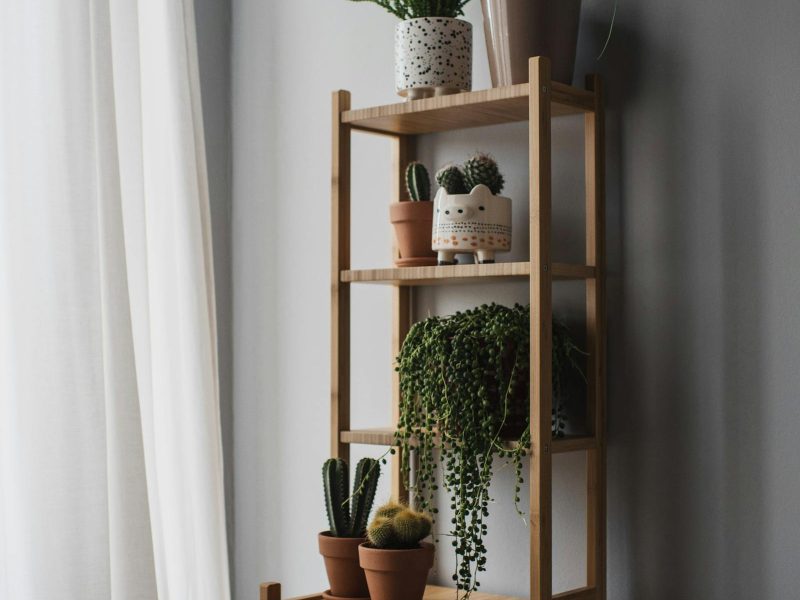
I keep a small hygrometer and a cheap soil probe within arm’s reach of my main plant shelf specifically so this triage takes 60 seconds instead of 60 minutes.
The five-step protocol I run every time
Once I know the pattern, I work through the same ordered checklist. Order matters because some checks will confuse the next check if you skip ahead.
- Feel the pot. Lift it. A pot that feels much lighter than yesterday tells me the soil is dry. A pot that feels heavy and cold three days after watering tells me drainage is failing. This 5-second check catches roughly half of my leaf-drop cases before I even look at the plant.
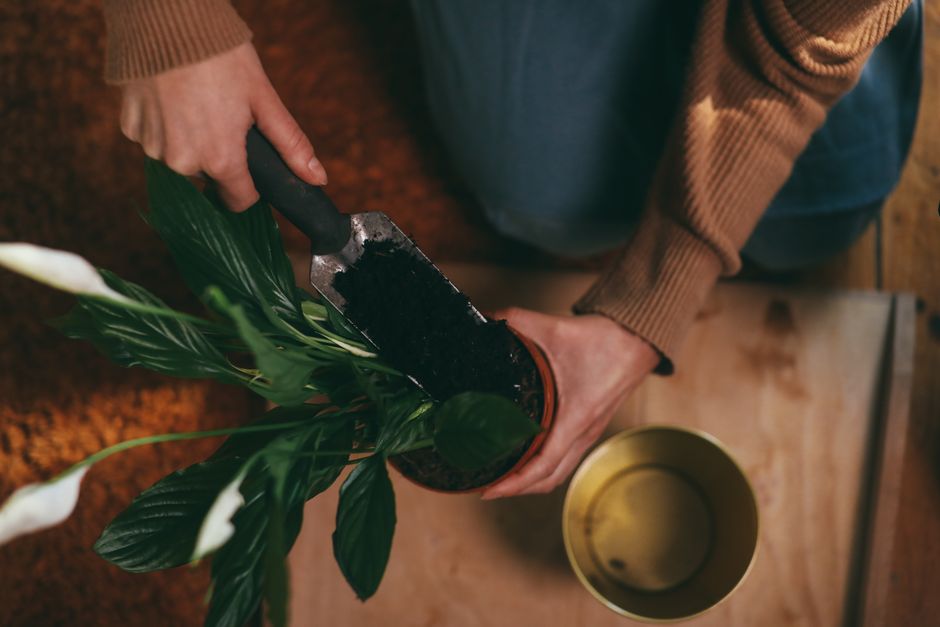
- Check root firmness. Slide the plant partway out of the pot. Healthy roots are pale, firm, and smell earthy. Rotted roots are brown, mushy, and smell sour like a wet dishcloth left overnight. If more than a third of the root mass is soft, root rot is the diagnosis and no amount of watering discipline will fix it.
- Measure the light. A phone light meter app is imprecise but useful for comparison. I aim for at least 200 foot-candles for most tropical foliage and 400 or more for anthuriums and variegated aroids. Plants moved from a bright greenhouse to a dim apartment will shed leaves for weeks as they rebalance.
- Take the room temperature at plant height. Cold air pools at floor level and near single-pane windows. I have measured 55 degrees F at the base of a windowsill plant while the thermostat read 68 degrees F six feet away. Anything under 55 degrees F for a tropical plant is a leaf-drop trigger.
- Log it. I keep a one-line note per event in a plain notebook: date, plant, symptom, what I changed. Patterns become visible over months that you will never spot in the moment.
Species notes from my own shelves
Diagnosis gets faster once you know each plant’s normal grumbles. A few notes from plants I have grown for years:
Ficus (lyrata, elastica, benjamina). Legendary droppers. Any change in light, temperature, or location triggers a protest shed of 2 to 6 leaves. If the drop stops within two weeks and new growth resumes, ignore it. If it continues past three weeks, check the roots.
Anthurium (clarinervium, warocqueanum, crystallinum). These almost never drop mature leaves unless the roots are compromised. A dropped anthurium leaf is a serious signal. Unpot immediately. In my experience, roughly 70 percent of anthurium leaf drops trace back to a substrate that has broken down and stayed wet.
Calathea and Goeppertia. Older lower leaves brown at the edges and drop gradually as normal aging. If the newest leaf browns before opening, the problem is almost always tap water chemistry. I switched my calatheas to rainwater and the drop rate fell by more than half within two months.
Alocasia. These operate on a strict one-in, one-out policy in low light. If your Alocasia pushes a new leaf and drops an old one within a week, that is normal behavior for the species, not a distress signal. If it drops two for every one it grows, light is the issue.
The overwatering versus underwatering confusion
Both look similar at first: limp leaves, yellowing, and eventual drop. The difference is in the pot, not the leaves.
- Overwatered: soil stays wet 4 or more days after watering, pot feels heavy, roots dark and soft, lower leaves yellow uniformly before dropping, sometimes a musty smell at the soil surface.
- Underwatered: soil pulls away from the pot edge, pot feels light, roots pale but dry and papery, leaves crisp at the edges before yellowing, drops from the bottom up.
The classic mistake is watering an overwatered plant because its leaves look thirsty. Wilting from root rot mimics wilting from drought perfectly. Always confirm with the pot weight before you reach for the watering can. The University of Maryland Extension has a useful primer on the interaction between watering and root health in houseplants if you want to go deeper.
When to intervene, when to wait
Not every dropped leaf demands action. My rough rule after fifteen years of collecting:
- 1 to 3 leaves over a week, no new symptoms: wait and observe.
- Coincides with a recent move, repot, or seasonal shift: wait 2 to 3 weeks, resist the urge to intervene.
- Progressive daily loss with visible yellowing or browning: begin the five-step protocol above.
- Soft base of the stem, black spots on the pot rim, sour smell: unpot immediately, wash the roots, cut away all mushy tissue, and repot in fresh dry chunky mix.
- Sudden defoliation with no obvious cause: check for cold drafts, gas leaks, or new cleaning products used nearby, then move the plant to a stable spot and stop watering for at least 5 days.
The single most damaging response to leaf drop is to change three variables at once. Move the plant, repot it, and start fertilizing on the same afternoon and you will have no idea what helped or hurt. Change one thing. Wait 10 to 14 days. Then reassess. The Royal Horticultural Society’s leaf-fall guidance makes the same point in different words, and it is worth reading before you make any big decision on a treasured plant.
What I keep on the shelf for leaf-drop investigations
Nothing exotic. A digital hygrometer that also reads temperature, a soil moisture probe, a bright headlamp for looking under leaves, a small pair of sterilized scissors, and a notebook. Total cost under 40 dollars. This kit has diagnosed more problems in my collection than any product I have ever bought.
Frequently asked questions
How many leaves can a healthy plant drop before I should worry?
A rough guide: any established plant can lose up to 10 percent of its leaves during a seasonal shift, a move, or after repotting, and still be fine. If drop exceeds 20 percent within a two-week window, or continues beyond three weeks, treat it as a real problem and start the five-step protocol. Slow, occasional shedding of the oldest leaves is normal maintenance and should not alarm you.
Will dropped leaves grow back on the same stem?
Usually no. Most tropical foliage plants grow new leaves from the top of the stem or from dormant nodes, not from the spot where a leaf fell. Ficus and some scheffleras may push a new leaf near the old scar, but do not count on it. If bareness bothers you, propagate a cutting from the tip and root it in the same pot to fill out the plant over 3 to 6 months.
Can I stop leaf drop with fertilizer?
Almost never, and often you make it worse. Fertilizer is fuel for growth, not medicine for stress. A plant with compromised roots cannot use extra nutrients, and the salts can burn what roots remain. Only resume feeding after new healthy growth appears, typically 4 to 8 weeks after you fixed the underlying issue, and start at half the label rate.
Is leaf drop always visible on the leaf itself?
No, and this is one of the harder lessons. A plant with root rot can drop a leaf that looks completely green and healthy the moment it hits the floor, because the abscission was triggered at the base by hormonal signals from failing roots, not by damage to the leaf tissue. Always check the roots, even when the fallen leaf looks perfect.
How long does recovery take once I fix the problem?
Visible new growth typically takes 3 to 6 weeks in warm months and 6 to 12 weeks in winter. Complete recovery to the plant’s former fullness can take a full growing season, and in slow species like anthuriums it may take a year or more. Patience is the least glamorous plant tool and by far the most useful one.
Frequently asked questions
How many plants survive over a decade?
In my experience, maybe 20-30% of plants you start with. Most are replaced through propagation, gifts, or new acquisitions. The collection has continuity even as individual plants change.
Does plant collecting get easier with time?
Yes and no. Care becomes more intuitive. But understanding deepens, and you take on more challenging plants. The complexity changes rather than diminishes.
Is a ten-year-old collection valuable?
Different ways. Some old plants have significant monetary value. More importantly, they have personal value, history, and a quality that newer plants can't replicate.
What's the biggest lesson from ten years of plant keeping?
Patience matters more than technique. Time invested in single plants produces qualities that money can't replicate. And conditions matter more than care — choose plants that match your home, not the other way around.