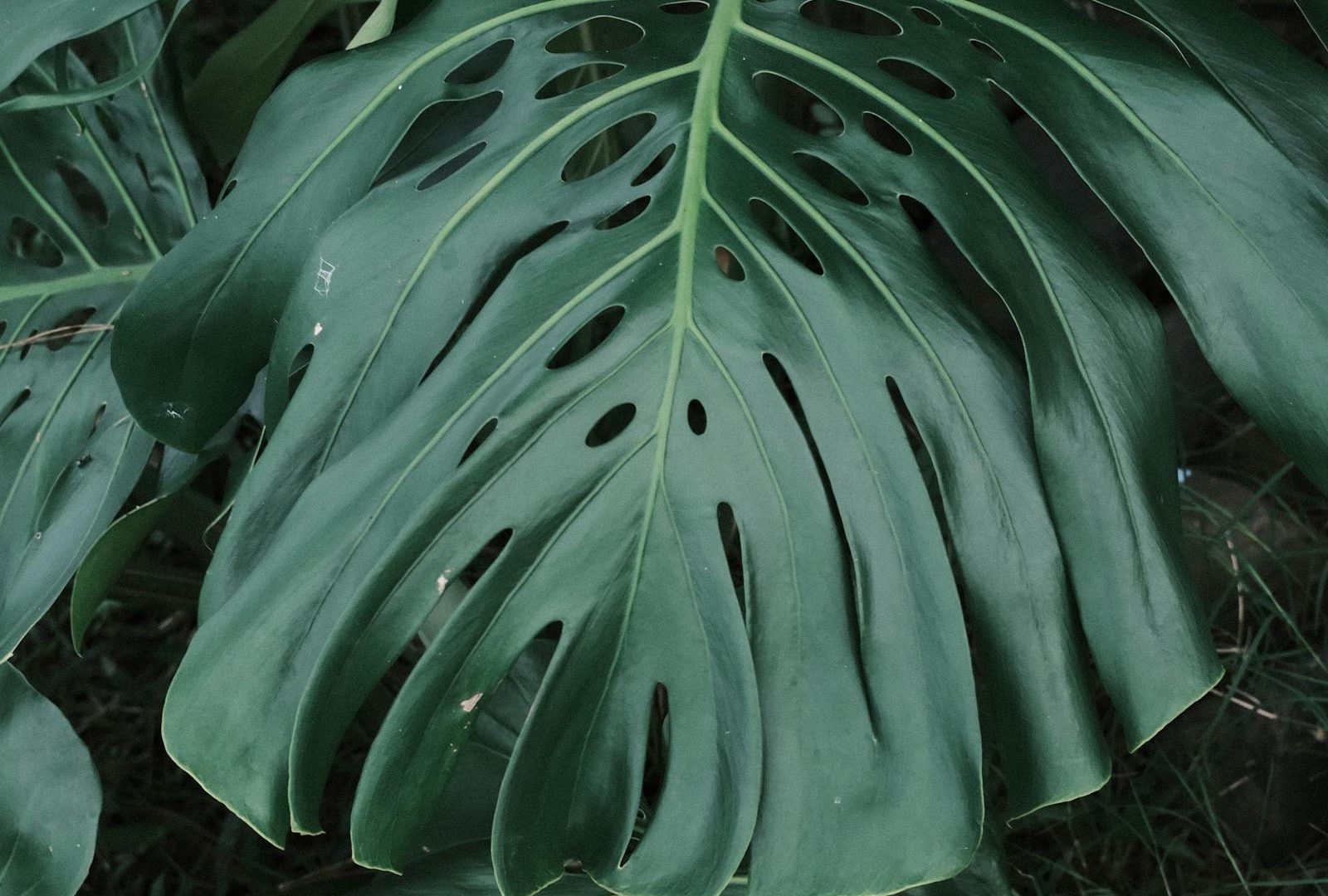
The first mealybug I ever missed was tucked into the petiole notch of a variegated Philodendron gloriosum, no bigger than a grain of couscous. I noticed it on a Tuesday, told myself I would deal with it on the weekend, and by Saturday there were roughly thirty of them fanned out along the underside of two leaves. That five-day gap cost me about eight weeks of slow, unglamorous work. Since then I have treated mealybugs the way a dentist treats a small cavity: quickly, methodically, and with the assumption that whatever I can see is only a fraction of what is actually there.
This is the protocol I now run every time I spot one, whether on a $12 pothos or a plant I waited two years to acquire. It is deliberately slow, because mealybugs have a life cycle that punishes impatience, and because the plants most of us are trying to save are too valuable to blast with whatever spray happens to be on the shelf.
How I actually spot them before it becomes a problem
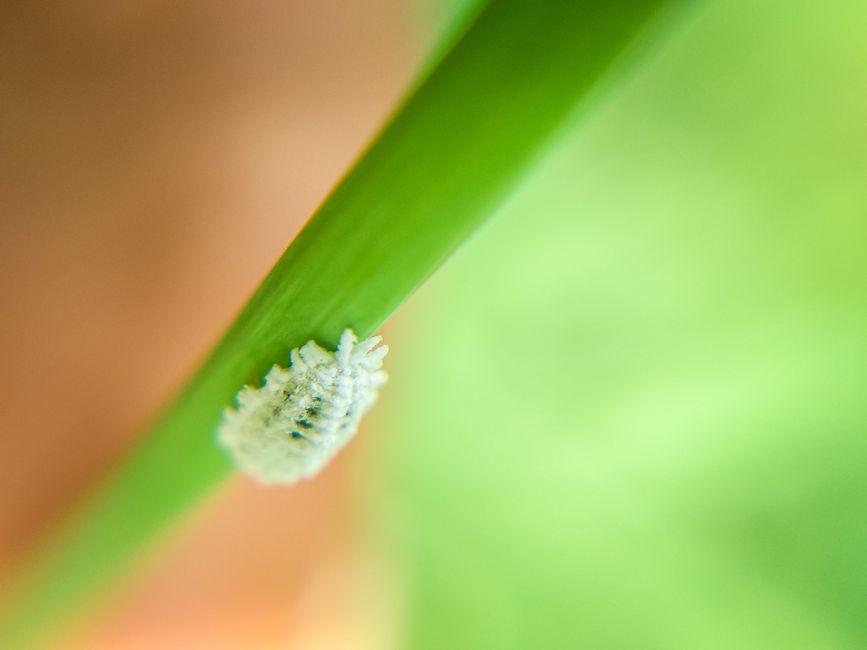
Mealybugs (Pseudococcidae, most commonly Planococcus citri in indoor collections) hide in the places you rarely look: leaf axils, the seam where a petiole meets the stem, the underside of a leaf near the midrib, and the top inch of substrate around the base of the plant. Adult females are 2 to 4 mm long, oval, and coated in a waxy white powder that repels water. Crawlers, the mobile juvenile stage, are pale yellow, about 0.5 mm, and easy to miss without a hand lens.
I keep a 10x jeweler’s loupe on the shelf next to my watering can. Every Sunday morning, coffee in hand, I spend about fifteen minutes checking the plants I most care about. I look for three things specifically:
- White cottony tufts in leaf joints, especially on new growth where the tissue is soft.
- Sticky, shiny patches of honeydew on lower leaves or on the shelf below a plant. This is excreted sugar and it usually means the colony is already established.
- Black sooty mold growing on that honeydew. If I see mold, the infestation is at least three weeks old.
The plants that seem to attract them most in my collection are Hoyas, string-of-hearts, orchids, and any Philodendron with tightly stacked new growth. The plants that shrug them off almost entirely are ferns and the tougher Sansevierias. I have no evidence-based explanation for this, only nine years of noticing.
Why the fast fixes usually fail
The first mistake most people make, and I made it repeatedly for years, is treating mealybugs as a one-and-done problem. You wipe the plant down, feel productive, and two weeks later they are back. This happens because the waxy coating on adult females is genuinely effective at shedding contact insecticides, and because eggs (up to 600 per female, tucked into a cottony ovisac) hatch on a rolling schedule over 7 to 10 days at typical room temperature of 68 to 75 degrees F.
A single treatment kills the adults you can see. It does almost nothing to the eggs. Ten days later the crawlers hatch, mature over the next 25 to 30 days, and lay another round. If you only treat once, you have essentially selected for the survivors and given them a clean plant to expand on.
The six-week protocol I run every time
I mark the calendar the day I notice the infestation. That date is Day 0. Everything else is scheduled from there.
| Day | Action | Why |
|---|---|---|
| 0 | Isolate the plant. Move it at least 3 feet from any other plant, ideally in a different room. | Crawlers walk. They can also ride on air currents and on you. |
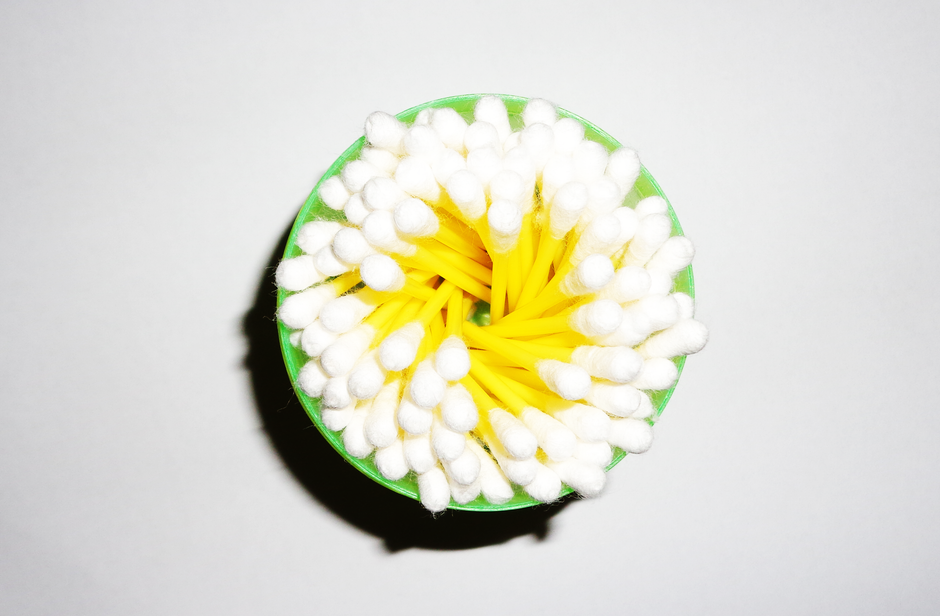
| 0 | Manual removal with a cotton swab dipped in 70% isopropyl alcohol. Touch every visible bug. | Alcohol dissolves the waxy coating on contact and kills the adult within seconds. |
| 1 | Full spray with a 1% horticultural oil or neem solution, undersides included. | Smothers eggs and crawlers you did not see. Reapply weekly. |
| 7 | Second spray. Inspect axils again with the loupe. | Catches the first hatched crawlers before they mature. |
| 14 | Third spray. Repot if roots showed mealybugs at Day 0. | Root mealybugs (Rhizoecus) require substrate removal, not sprays. |
| 21 | Fourth spray. Inspect neighboring plants that were within 3 feet of the original. | Overlooked spread is the most common cause of reinfestation. |
| 28-42 | Weekly inspection, no spray unless bugs reappear. | Covers a full second generation cycle. |
Six weeks feels excessive until you have gone through the alternative, which is thinking you have won at week two, returning the plant to the shelf, and infecting three more.
Choosing between alcohol, oil, and systemics
Each of these has a role, and none of them is universally right. I choose based on the plant, the severity, and how much I care about the leaves cosmetically.
| Treatment | Best for | Cautions |
|---|---|---|
| 70% isopropyl alcohol on a swab | Small, localized colonies you can count | Can etch soft new leaves. Test one leaf first. |
| Diluted alcohol spray (1 part alcohol to 3 parts water, plus a drop of dish soap) | Moderate infestations on tougher-leaved plants like Hoyas | Do not use on fuzzy leaves (African violets, some Begonias). |
| Horticultural oil or neem, 1% dilution | Widespread infestations and preventative rotation | Never apply in direct sun. Wait 24 hours after watering. |
| Insecticidal soap, potassium salts | Sensitive foliage that reacts to oil | Contact only. Coverage must be exhaustive. |
| Systemic imidacloprid granules | Persistent root mealybugs or heirloom plants I refuse to lose | Toxic to bees. Do not use on edibles. Follow label rates. |
I use systemics reluctantly and only on plants that stay strictly indoors. For everything else, the oil and swab combination clears about 90% of cases in my experience, provided I actually run the full six weeks.
Root mealybugs, the version nobody warns you about
Rhizoecus species live in the substrate and feed on roots. You will not see them until you unpot, and by then the plant is usually declining in ways that look like watering problems: slow growth, dull leaves, unexplained wilting despite moist soil. If I pull a plant and see white powdery clumps on the root ball, especially near the drainage holes, I do the following.
- Bare-root the plant completely. Every scrap of old substrate goes in the trash, not the compost.
- Rinse the roots under lukewarm water for two full minutes.
- Soak the root ball in a bucket of 1% horticultural oil solution for 20 minutes.
- Repot in fresh, dry substrate. Use a new or bleach-sterilized pot.
- Withhold water for 3 days, then resume light watering.
The University of Florida IFAS Extension has good technical background on root mealybug biology if you want to go deeper. I have linked their fact sheet below.
Prevention rituals worth building
Almost every mealybug infestation I have traced has come from a new plant. Nurseries are warm, dense, and heavily trafficked, which is essentially a mealybug spa. My quarantine routine now looks like this:
- Every new plant sits alone for at least 21 days, in a spot I check weekly with the loupe.
- Within 48 hours of arrival, I unpot and rinse the root ball to check for Rhizoecus and to swap out nursery peat that often holds fungus gnat larvae as a bonus.
- I wipe every leaf, top and bottom, with diluted alcohol on a soft cloth before the plant joins the collection.
- Tools stay per-plant during any active treatment. I have three cheap pairs of snips and I bleach them between plants.
None of this is glamorous. All of it is cheaper than replacing a mature Anthurium clarinervium.
What recovery actually looks like
A plant that has been through a serious infestation will look tired for a while. Expect some leaf drop, slower growth for a month or two, and possibly some cosmetic damage where honeydew and sooty mold sat too long. I resist the urge to fertilize heavily during recovery. A weak, dilute feed at half the label rate every third watering is enough. What the plant needs most is boring, consistent conditions: stable humidity, appropriate light, and no more surprises.
For further reading, the UC IPM Pest Notes on mealybugs covers biology and management in detail, and the UF/IFAS root mealybug fact sheet is the clearest overview of Rhizoecus I have found.
Frequently asked questions
Can I use dish soap alone instead of buying insecticidal soap?
Dish detergent will kill mealybugs on contact but it also strips the plant’s waxy leaf cuticle and can cause chemical burns, especially on aroids and calatheas. A drop of soap in an alcohol-water mix is fine as a surfactant to help the spray spread. Using dish soap as the primary treatment, at any concentration strong enough to reliably kill bugs, tends to damage the leaves. Insecticidal soaps are formulated with potassium salts that are far gentler on foliage.
How long is the plant contagious to others in my collection?
Assume the plant can spread crawlers for the entire six-week treatment period. Crawlers are mobile for about 24 to 48 hours after hatching, and hatching happens on a rolling basis as long as any adults or ovisacs remain. I do not return a plant to its shelf until I have seen zero bugs for two consecutive weekly inspections after the last treatment.
Are mealybugs harmful to pets or people?
Mealybugs themselves do not bite, sting, or transmit anything to humans or common household pets. The concern with pets is the treatment, not the pest. Neem, horticultural oils, and especially systemic insecticides like imidacloprid can be harmful if licked or ingested. Keep treated plants out of reach of cats and dogs for at least 48 hours after any spray, and never use systemics on plants a pet regularly chews.
Why do mealybugs keep coming back on the same plant?
Usually one of three reasons. Either the treatment cycle was too short and a second generation hatched from missed eggs, or the plant has root mealybugs feeding below the surface and reseeding the aboveground population, or a neighboring plant is a silent reservoir. Rotate through those three possibilities in that order. In my experience the missed generation is by far the most common cause.
Should I throw the plant out if the infestation is severe?
Only if it is a common, easily replaced plant and you have other valuable plants nearby. A $15 pothos covered in mealybugs is not worth six weeks of risk to a $400 Anthurium. For anything rare or sentimental, aggressive treatment is almost always worth attempting. I have brought back plants that looked genuinely finished, including one Hoya that lost every leaf and re-grew from a single node over the following year.
Frequently asked questions
How long does it take to develop a personal plant styling aesthetic?
Typically 2-5 years of active collecting and styling. Initial choices reflect external influences; over time, your own preferences emerge through experience and trial.
Should I follow specific styling rules?
Use principles, not rules. Rules are rigid; principles are flexible. Pay attention to what works in your space and adjust accordingly.
How can I tell if my plant arrangement is working?
Visual harmony, plant health, ease of care, and your own enjoyment of the space. If all four are positive, the arrangement is working.
Can plant styling improve my home's overall feel?
Yes, significantly. Plants add life, color, texture, and presence to spaces. Thoughtfully styled plants can transform how a home feels to live in.