My red-vein Maranta lived on a windowsill in a rented flat for about eighteen months before I understood what it was actually asking me for. Every morning the leaves were folded up like praying hands, and every evening they slowly opened into that ridiculous painted-arrow pattern with the pink veins running down the middle. I kept killing the tips. I kept blaming the tap water. Then I moved the pot two feet to the left, changed the pour cadence, and the plant became boring in the best possible way.
That is what this piece is about. Not the botany overview you can pull from a hundred other pages, but the small, unglamorous decisions that separate a Maranta leuconeura var. erythroneura that just survives from one that pushes new leaves every three or four weeks.
Reading the plant instead of the label
The care tag that came with mine said “bright indirect light, keep evenly moist, mist daily.” Two of those three lines are actively harmful in a normal home. Bright indirect is a fine starting point, but “evenly moist” gets interpreted as “wet,” and misting does close to nothing for humidity while doing quite a lot for fungal spots on the leaves.
The plant itself gives you better instructions if you learn to read it. Folded-tight leaves at 10 a.m. mean the light is too strong. Leaves that never quite close at night mean the light is too weak or the day/night cycle is being interrupted by a nearby lamp. Curled edges with a papery brown margin almost always mean the roots dried out further than the plant is willing to forgive. New leaves that emerge smaller than the previous flush point to depleted feed or a root system that has run out of room.

Light: the two-foot rule that changed everything
Marantas evolved on the shaded floor of Brazilian rainforest, under a canopy that filters sunlight through several layers of leaves. In a home, the closest analog is not a north window and not a south window, but somewhere two to four feet back from an east-facing pane, or the same distance from a west window with a sheer curtain drawn across it.
I measure with a cheap lux meter now, and the sweet spot on my plants sits between 400 and 1000 foot-candles (roughly 4,000 to 10,000 lux) during the working part of the day. Below 300 fc and growth stalls; above 1500 fc and the pink venation starts to bleach out toward a duller salmon color. Missouri Botanical Garden lists this species under “part shade” for a reason, and their profile on Maranta leuconeura is worth reading if you want the source material.
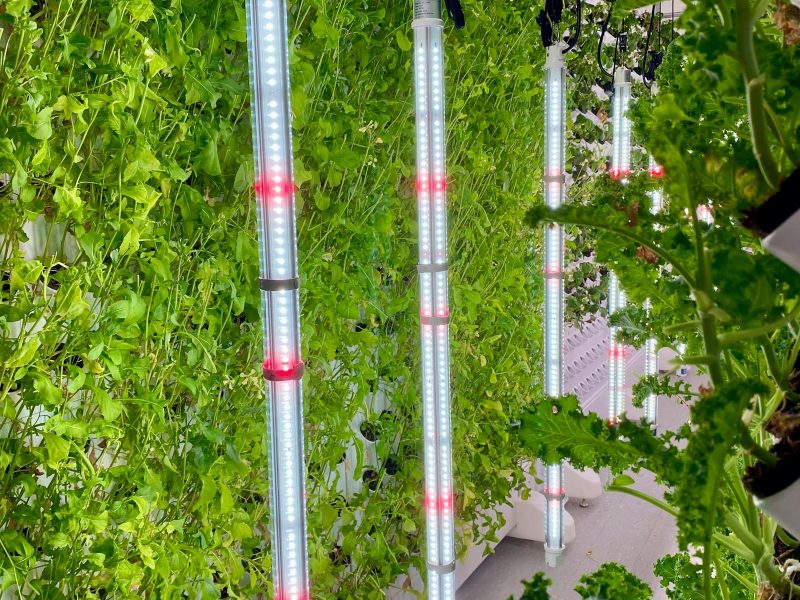
If you grow under a lamp, aim for 12 hours on and 12 hours off with a mechanical timer, and keep the fixture at least 18 inches above the canopy for anything above 20 watts.
Water: forget the schedule, learn the weight
The biggest change I made was throwing away the once-a-week rule. Marantas want to move from lightly moist to just-barely-dry at the top inch, and then back to lightly moist without a long drought in between. In a 5-inch nursery pot in my flat, that means every 4 to 6 days in summer and every 8 to 10 days in winter, but I do not read the calendar, I lift the pot.
A pot that is ready for water feels startlingly light. A pot that still has three or four days in it feels dense, like there is a small brick inside. After a month of lifting yours in both states, your hand will know the difference before your brain does.
Water quality matters more with this genus than most. Chlorine dissipates overnight in an open jug, but chloramine and fluoride do not, and both accumulate at the leaf margins as those brown crisps everyone complains about. If your tap sits above about 200 ppm of dissolved solids, collect rainwater or use filtered water from a reverse osmosis pitcher. My tips stopped crisping the week I switched.
Rough seasonal cadence in a heated home
| Season | Water gap (5-inch pot) | Feed | Ambient humidity target |
|---|---|---|---|
| Late spring | 4-6 days | Weakly, weekly | 55-65% |
| High summer | 3-5 days | Half-strength every 10 days | 60-70% |
| Autumn | 6-8 days | Taper to monthly | 50-60% |
| Winter | 8-12 days | None | 45-55% |
Humidity without the theatre
Misting is a hobby, not a humidity strategy. A single spray boosts the air around a leaf for maybe four minutes, and then you are back to whatever your room actually is. If your hygrometer reads under 45% for most of the day, the plant will tell you so with brown margins no matter how carefully you water.
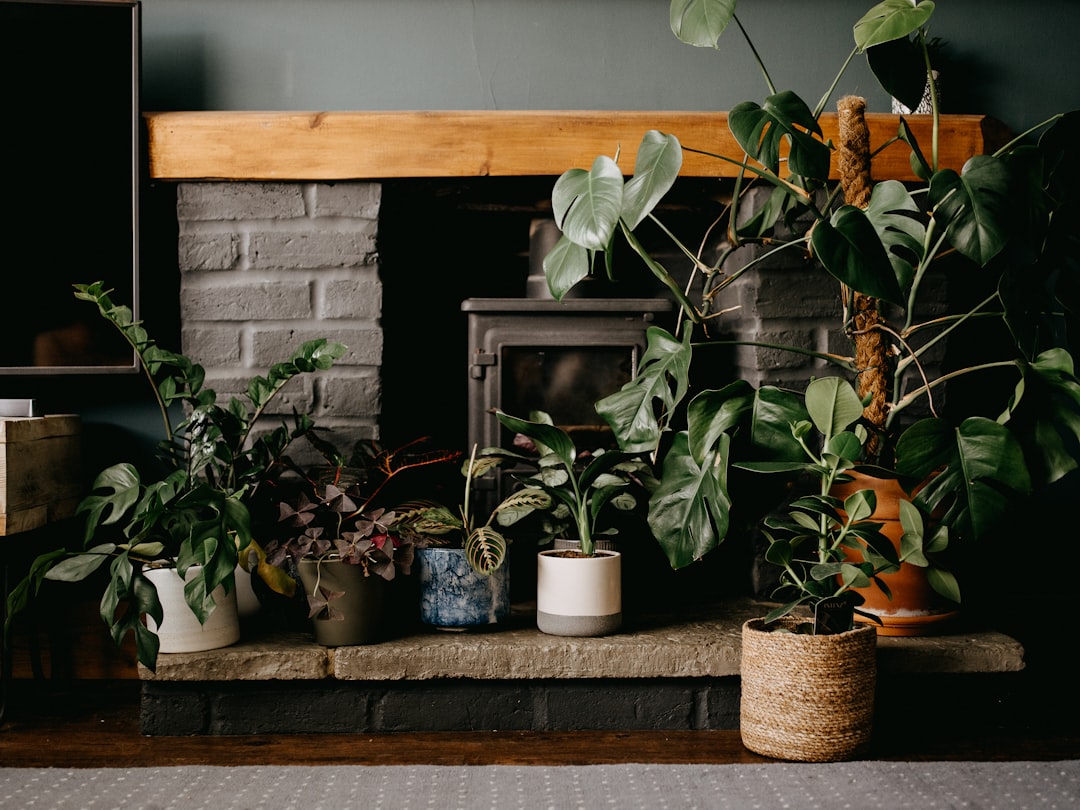
A small ultrasonic humidifier placed three feet from the plant, running on a hygrostat set to 60%, solves this permanently. Grouping plants helps a little through transpiration, and a shallow pebble tray helps almost not at all. If you cannot run a humidifier, the next best thing is moving the plant to a bathroom with a frosted window, where daily showers push ambient humidity into the 70s for a couple of hours each morning.
Soil and pot: shallow, chunky, breathable
Maranta roots are fine and stay near the surface, so a deep pot wastes soil that stays soggy at the bottom. I use a wide, shallow terracotta or plastic pot only one size larger than the root ball, drilled generously at the base.
My working mix is:
- Two parts peat-free coir-based houseplant compost, sieved to remove the coarsest chunks.
- One part fine orchid bark (roughly 6-9 mm pieces) for structure and air.
- One part perlite for drainage and to keep the mix from compacting after six months.
- A small handful of horticultural charcoal per liter to keep the substrate sweet between repots.
Repot every 18 to 24 months, in late spring, going up one pot size only. Marantas resent being over-potted and will sulk for a full season if you jump two sizes.
Feeding without burning the tips
This plant is not a heavy feeder. During active growth I use a balanced liquid fertilizer at roughly quarter to half the label rate, applied to already-moist soil. Feeding a dry root ball is how people burn margins and then blame the water. I flush the pot with plain water every fourth feed to keep salts from building up, and I stop feeding entirely from late October through February.
Troubleshooting the four things that actually go wrong
- Crispy brown leaf tips. Almost always a combination of low humidity and mineral buildup from tap water. Switch to filtered or rainwater, raise ambient humidity above 55%, and flush the pot until water runs clear from the drainage holes.
- Yellow lower leaves with mushy petioles. Overwatering, usually because the pot never fully dries in the top inch between drinks. Pull the plant, check for blackened roots, trim any that are hollow or brown, and repot into fresh chunky mix.
- Faded pink veins, leaves lying flat all day. Too much light. Move it further from the window or add a sheer curtain. Color returns to new leaves within two flushes.
- Fine webbing on the undersides. Spider mites, which love dry warm air. Rinse the plant in a lukewarm shower, then treat weekly for three weeks with insecticidal soap or a 1% horticultural oil solution, hitting the undersides thoroughly.
The University of Maryland Extension has a solid, non-alarmist overview of common houseplant pests in their houseplant insect pests guide if you want to identify what you are dealing with before you spray anything.
A morning routine that keeps mine boring
Every Sunday, coffee in hand, I do a five-minute pass. I lift each Maranta pot to check weight. I turn the plant a quarter turn so growth stays even. I look at the underside of one leaf per plant for early pest signs. Once a month I wipe the leaves with a damp microfiber cloth, which does more for photosynthesis than any leaf-shine product ever invented. Twice a year I refresh the top inch of substrate.
That is the whole system. Fifteen minutes a month, one meaningful decision about location, and a humidifier plugged into a smart plug. The plant does the rest, and folds its leaves up every night like it is grateful for the quiet.
Frequently asked questions
Why do the leaves stay folded up all day and never open?
Leaves that stay closed through the daylight hours usually mean the plant is either too dry at the roots or too cold. Check the soil weight first, then check ambient temperature, Marantas dislike anything under about 60°F for extended periods, and a cold windowsill in winter can hold a plant in a stress-fold for weeks. Warmth, a proper drink, and a move away from the glass usually reopen the leaves within 48 hours.
Can I grow a red-vein Maranta in a terrarium or bio-orb?
Yes, and it often thrives there because humidity and temperature stay stable. Use a wide, shallow container with a lid you can crack open for airflow, and give it a small LED grow bar on a 12-hour timer. The main risk is fungal spotting from stagnant air, so run a tiny computer fan for a few hours a day.
Is Maranta red-vein safe around cats and dogs?
Yes. The ASPCA lists Maranta leuconeura as non-toxic to both cats and dogs, which is one reason it appears so often in rooms where more toxic aroids would be a problem. That said, any plant chewed in quantity can cause mild digestive upset, so I still keep mine at head height on a shelf.
How often should I actually repot?
Every 18 to 24 months is plenty. The signs a repot is due are roots poking out of the drainage holes, water running straight through without soaking in, or new leaves emerging noticeably smaller than the last flush. Go up only one pot size and do it in late spring so the plant has a full growth season to fill the new volume.
Why are my new leaves smaller than the older ones?
Usually one of three things: the pot has become root-bound and needs a size up, the plant has run out of nutrients and needs a gentle feeding schedule restored, or light levels have dropped seasonally. Rule out light first by checking with a phone lux app, then feed, then consider repotting.
Frequently asked questions
How often should I fertilize my rare plants?
Every second or third watering during growing season (spring through early autumn). Stop during winter. Dilute to quarter or half the recommended concentration.
Can I over-fertilize a houseplant?
Yes, very easily. Over-fertilizing causes salt buildup, leaf burn, and slow decline. Signs include crispy leaf tips, white salt crusts on substrate, and gradually weakening plant health.
What's the best fertilizer for rare aroids?
A balanced liquid fertilizer (10-10-10, 20-20-20, or similar) diluted to quarter strength and applied every second watering. Brand matters less than dilution and timing.
Should I fertilize in winter?
No, for most rare plants. Growth slows or pauses in winter and the plant cannot use additional nutrients. Fertilizing in winter accelerates salt buildup and stresses roots.