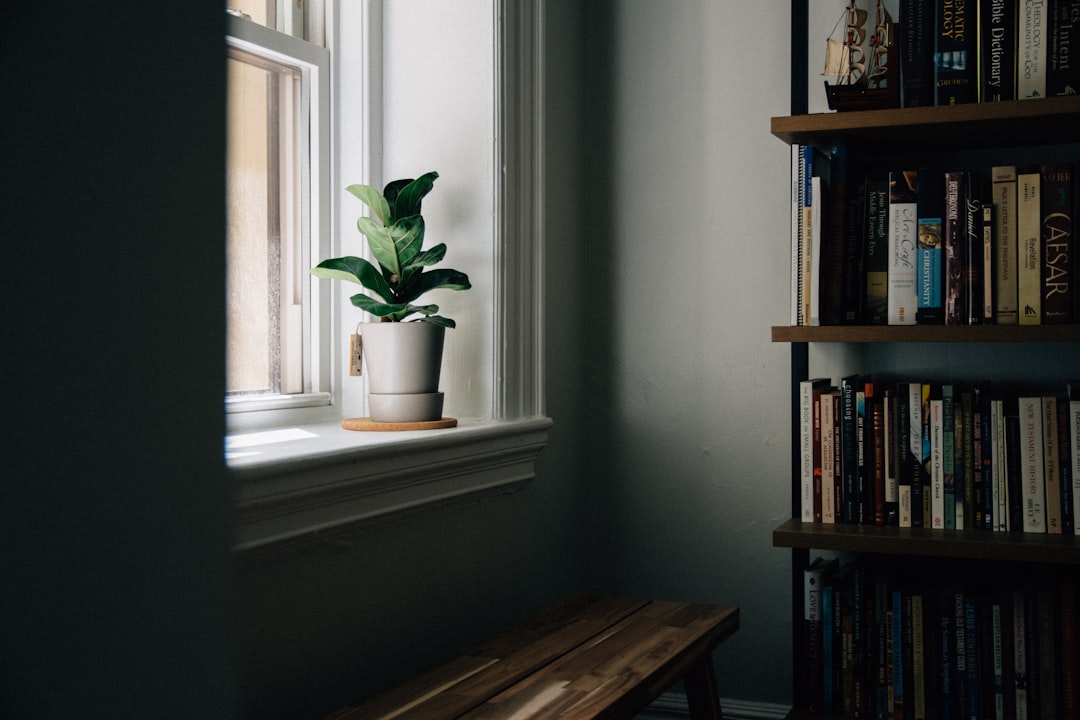
My oldest parlor palm sits on a bookshelf about eight feet from a north window, where the light meter on my phone rarely reads above 120 foot-candles. It has been there for roughly nine years. It has never been repotted into anything fancier than a terracotta pot two sizes up from the nursery liner, and it has outlived at least three anthuriums, a fiddle leaf fig, and my brief flirtation with a variegated Monstera albo that lasted about eleven months before I sold it. The parlor palm just keeps going, throwing a new frond every couple of months, looking exactly the way a parlor palm looked in 1875.
That is really the case for Chamaedorea elegans as a serious collector’s plant, even if it never gets the attention of the rarer aroids. It tolerates the exact conditions most homes actually provide, which is low light, dry air, and inconsistent watering. And it does so without the sulking that a Calathea would deliver under the same treatment.
A Victorian survivor with an odd origin story
The plant is native to the rainforests of southern Mexico and Guatemala, where it grows as a small understory palm under a dense canopy. That habitat matters. It never receives direct sun in the wild, it lives in stable warmth around 65 to 80 degrees Fahrenheit year-round, and the air holds moisture without swinging much. Understanding this tells you almost everything you need to know about keeping it indoors: it wants what a dim, warm parlor already provides, which is exactly why Victorian collectors adopted it as the definitive drawing-room palm.
The seeds were commercially harvested from wild populations in the Petén region of Guatemala well into the twentieth century, and the trade was significant enough that IUCN records flagged wild extraction concerns. Most nursery stock today is greenhouse-grown from cultivated parent plants, which is a small thing to be grateful for when you pick one up at a garden center for eight dollars.
Light: less than you think, more than a closet
Every care guide online repeats the phrase “low light tolerant” without defining it. In my house, I have measured the light in spots where a parlor palm has grown well for years, and the readings sit between 75 and 250 foot-candles. That is dim. A brightly lit office desk reads about 500. A spot two feet from a south-facing window in summer reads 4,000 or higher.
The plant will survive at the lower end of that range but growth becomes glacial, maybe two fronds per year. At around 200 foot-candles it puts out four to six new fronds annually, which is what I would consider healthy indoor growth. Push it above 500 foot-candles of filtered light and you will see faster production, but I have also watched fronds bleach to a pale yellow-green when I moved a plant to an east window that got about ninety minutes of direct morning sun. It sunburns more easily than the “tough houseplant” reputation suggests.
The watering rhythm that actually works
I water on feel. The top two inches of the mix should be genuinely dry before the next drink, which in my apartment translates to roughly every 10 to 14 days in winter and every 6 to 8 days in summer. The pot matters. A four-inch nursery pot in a plastic cachepot dries slowly, and I have rotted more than one parlor palm by treating it like a plant that wants weekly water regardless of pot behavior.
Here is the sequence I use for a plant I have not watered in a while:
- Lift the pot. If it feels light and the top of the soil crumbles when I press it, it is time.
- Water slowly at the soil surface until it runs freely from the drainage holes, then wait ten minutes.
- Water again for fifteen seconds to make sure the whole root mass rehydrated (dry peat-based mixes often channel water down the sides on the first pass).
- Let the pot drain completely on a rack before returning it to any decorative cover. Standing water in the cachepot is the single most common cause of root rot I see in this species.
Humidity, temperature, and the frond-tip problem
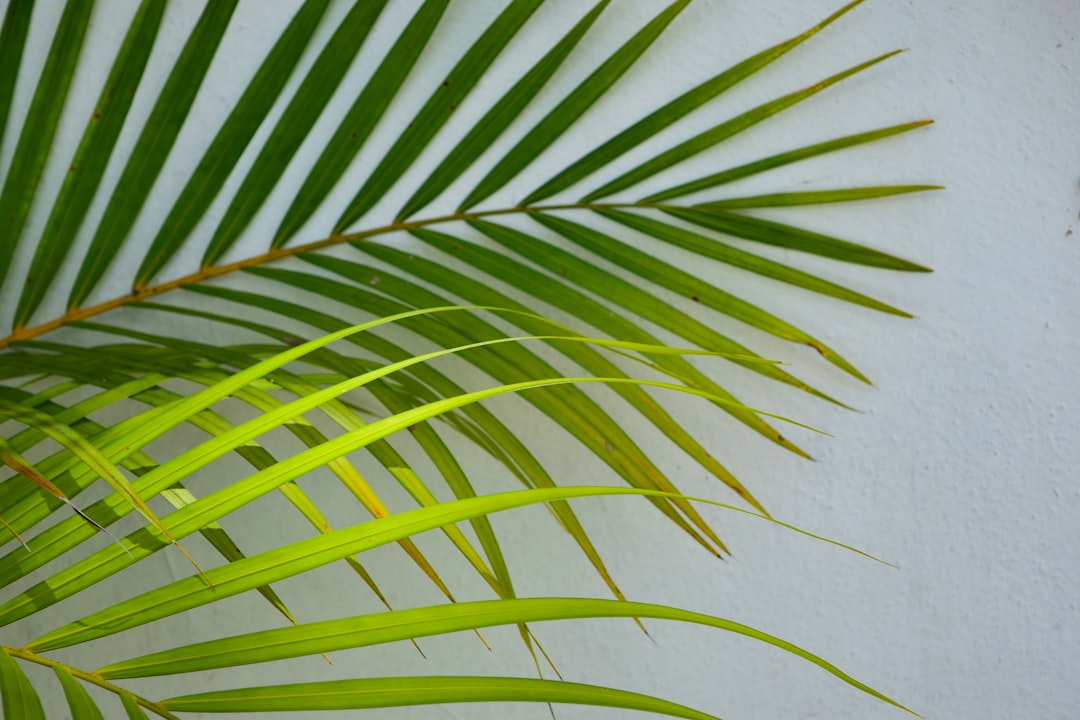
Crispy brown frond tips are the complaint I hear most often about parlor palms. In my experience the cause is rarely low humidity in isolation. It is almost always a combination of dry air plus tap water high in fluoride or chloramine plus fertilizer salt buildup in the soil. Palms in the Chamaedorea genus are documented as fluoride-sensitive, which is why University of Florida extension guides for interior palms specifically recommend rainwater or distilled water for long-term health.
I switched my parlor palms to collected rainwater about four years ago and the tip burn dropped noticeably within two growing seasons. Humidity in my apartment sits at 35 to 45 percent most of the year and the plants are fine at that level, no daily misting, no pebble tray theater.
Soil, potting, and the case against fussing
Parlor palms have small, fibrous root systems that fill a pot slowly. They prefer to be somewhat root-bound and they resent being disturbed. I repot mine roughly every three to four years, going up one pot size, and I use a straightforward mix rather than anything exotic.
My current recipe is 60 percent standard peat-based houseplant mix, 25 percent coarse perlite, 15 percent fine orchid bark. It drains fast enough to prevent waterlogging but holds enough moisture that I am not watering every four days. Fertilizer is a diluted balanced liquid feed at quarter strength, applied only from April through September, roughly once a month. Feeding harder than that pushes salt accumulation and I have seen the fronds develop marginal burn as a direct result.
What a healthy setup looks like at a glance
| Factor | Target range | Warning sign |
|---|---|---|
| Light | 100-400 foot-candles indirect | Pale bleached fronds (too much) or no new growth in 6 months (too little) |
| Temperature | 65-80 F daytime, above 55 F at night | Frond drop after cold draft exposure |
| Humidity | 35-60 percent | Persistent tip crisping despite good water |
| Water | Top 2 inches dry between waterings | Yellowing lower fronds (overwatered) or curling tips (underwatered) |
| Fertilizer | Quarter-strength balanced, monthly Apr-Sep | White crust on soil, marginal leaf burn |
Spider mites: the one real threat
If a parlor palm is going to fail in an indoor collection, the cause is usually spider mites rather than any cultural mistake. The dry, warm, still air of a heated apartment is exactly what mites want, and the underside of a parlor palm frond, with its narrow leaflets and fine texture, is difficult to inspect thoroughly. I have lost specimens because I did not notice an infestation until half the fronds were speckled and stippled.
My routine now, developed after that loss:
- Every two weeks I take the plant to the shower and rinse both sides of every frond with lukewarm water for about three minutes. This alone prevents most infestations.
- Once a month I inspect the undersides with a small loupe. Mite eggs look like tiny translucent pearls along the midrib.
- If I find any, I treat with insecticidal soap on days one, four, and eight, hitting the undersides thoroughly. Three treatments break the reproductive cycle.
- I never use neem oil on Chamaedorea fronds. It leaves a residue that attracts dust and I have seen it cause frond damage on this genus specifically.
Styling a parlor palm without making it look sad
The mistake I see most often is putting a single small parlor palm alone in a large room, where it reads as forgotten. This plant looks its best either grouped with other foliage at similar heights, or grown in a cluster of three or five stems in a single pot (which is how nurseries usually sell them anyway). A mature clump in a 10-inch terracotta pot on a plant stand next to a reading chair does more visual work than any single statement plant I own.
They tolerate the odd corners of a home that no other plant will accept. The dim hallway between two rooms. The bathroom with only a small frosted window. The bedroom on the north side of the building. Give it stable temperature, occasional water, protection from radiators, and it will simply keep being there.
Frequently asked questions
Why is my parlor palm developing yellow lower fronds?
Older fronds naturally yellow and drop as the plant matures, usually the lowest one or two per year. If multiple fronds yellow simultaneously across the plant, the cause is almost always overwatering or a pot that stays saturated because it lacks drainage. Check whether the plant sits in standing water inside a cachepot, and let the soil dry properly between waterings before assuming something more exotic is wrong.
Can Chamaedorea elegans handle a fully north-facing window?
Yes, comfortably. A north window in the northern hemisphere provides steady indirect light that suits this species better than a hot south-facing exposure. Growth will be slower than at brighter locations but the plant remains healthy for years. My oldest specimen has lived exclusively in north light and produces reliable new fronds each spring and summer.
Do parlor palms flower indoors?
Mature plants above about three years old often produce small, branched sprays of tiny yellow flowers that emerge from the base of the fronds. They are not showy but they are pleasant, and female plants will develop small black berry-like fruits if a male plant is nearby. Indoor flowering is a sign the plant is genuinely thriving, not a stress response.
Is Chamaedorea elegans safe around cats?
Yes. The ASPCA lists it as non-toxic to cats, dogs, and horses, which is unusual among the plants collectors typically buy. That said, a cat that chews the fronds will damage them cosmetically and may cause mild digestive upset from the fiber alone, so I still place mine out of easy reach.
How fast should I expect it to grow?
Slowly. In average indoor conditions expect three to five new fronds per stem per year, with the plant reaching a mature height of about three to four feet after eight to ten years. Anyone selling you a parlor palm as a “fast-growing floor plant” is misrepresenting the species. Its virtue is longevity, not speed.
Frequently asked questions
Should I water a new plant as soon as it arrives?
Only if the substrate is bone dry. Many plants arrive with adequate moisture. Watering a moist plant immediately can cause root issues. Always check by feel first.
How long should I wait before repotting a new plant?
3-4 weeks at minimum unless substrate is clearly compromised. Repotting adds stress to a plant already stressed from shipping.
What if my new plant has visible damage on arrival?
Document with photos immediately. Contact the seller within 24-48 hours. Continue the recovery routine — most plants recover from arrival damage if given proper care.
Why do I need to isolate new plants?
New plants can carry pests, fungal issues, or diseases that aren't visible on initial inspection. Isolation gives time for these to reveal themselves before they spread to your existing collection.