Every collector I know who moved a prized Philodendron or Anthurium into LECA has a horror story tucked behind the tidy Instagram photos. Mine involves a variegated Philodendron gloriosum that sulked for eleven weeks, dropped two leaves, and made me question every clay pellet I own. I still moved almost my whole aroid shelf across, and I would do it again, but I want to write the guide I wish someone had handed me before I started the aroids in LECA transition on a plant I could not afford to lose.
What follows is not a manifesto. LECA is a tool. It solves specific problems (root rot on chunky-aroid roots I keep overwatering, fungus gnats in a bedroom I sleep in, travel weeks where nobody wants to babysit peat), and it introduces new ones (nutrient chemistry, salt creep, a longer adjustment curve than sellers admit). I want to give you the timings, the ratios, and the small tells that let me stop killing plants and start actually enjoying the setup.
Why I moved, and why I still keep some plants in soil
My collection sits at roughly 60 aroids across two rooms. About 40 are in a passive-hydro LECA setup now. The rest, mostly velvety Anthurium species and a stubborn Philodendron verrucosum, live in a chunky aroid mix because they simply grow better there for me. The point is not conversion for its own sake. The point is matching the plant to the medium and to your attention span.
LECA earned its place in my routine for three honest reasons. I water on a schedule I can actually keep (roughly every 10 to 14 days for a top-up in average household humidity). I can see the root zone through a nursery pot or glass cache, which catches problems weeks earlier than a soil pot ever did. And in a dry Delhi winter, the reservoir buffers humidity around the root plate in a way peat never managed. That is it. There is no magic.
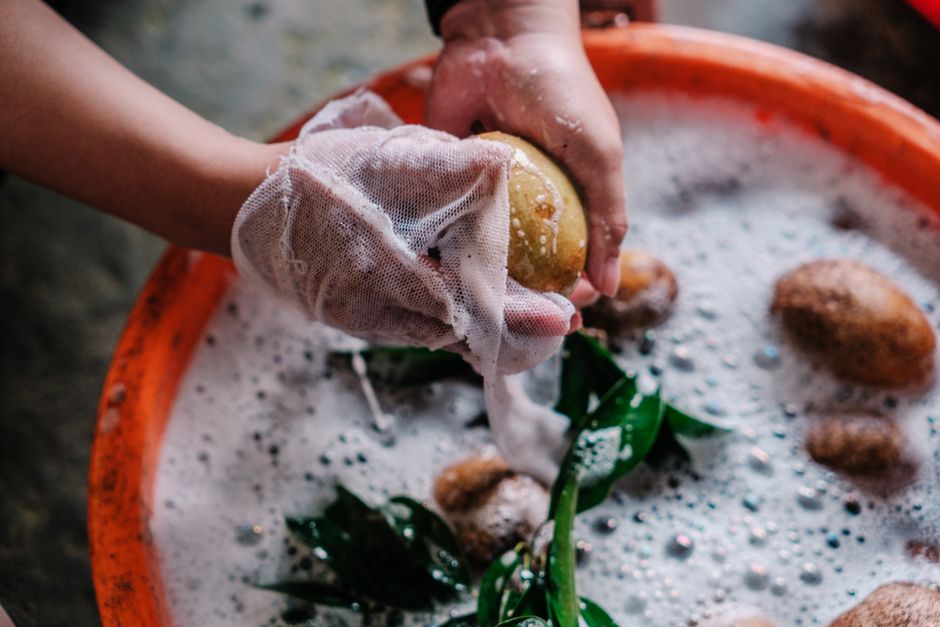
The tools and materials I actually reach for
Keep this list boring. Fancy gear is not the differentiator; consistent nutrient chemistry is.
- LECA pellets, 8 to 16 mm, rinsed until the water runs clear (usually 4 to 6 rinses)
- Two nursery pots per plant: an inner slotted or mesh pot, and an outer opaque cache pot with no drainage
- A TDS/EC meter (mine cost about 15 USD and has paid for itself many times over)
- A pH meter or drop kit; aim for 5.8 to 6.2 in the reservoir
- Hydroponic nutrients with calcium and magnesium included, or a two-part A+B formula
- Reverse osmosis or rainwater if your tap runs above 200 ppm; my tap sits at 320 ppm and it matters
- A shallow bin for the soak-and-rinse root wash
- Sharp, sterilised snips for trimming mush
Choosing the right candidate plant
Not every aroid is a good first transition. I have learned to read three signals before I even fill a bucket.
- Root health above ground. If the newest leaf is smaller than the one before it, or petioles look pinched, the root system is already stressed. Fix the current pot first. Do not use LECA as a rescue medium; use it as a maintenance medium.
- Root type. Thick, fleshy roots (most Monstera, many Philodendron) adapt to LECA within 4 to 8 weeks. Fine, hair-like root systems (some Anthurium, most Alocasia) take 10 to 16 weeks and lose more mass along the way. Plan for that.
- Your own patience. If a plant dropping a leaf will send you into a spiral of tinkering, wait. The single biggest killer in this transition is a nervous owner adjusting nutrients every three days.
The transition, step by step
This is the exact sequence I run for a healthy medium-sized aroid. Adjust volumes to the plant, not the calendar.
- Rinse LECA. Soak the pellets overnight in plain water, then rinse until runoff is clear. Fresh LECA leaches a fine clay dust that will clog your reservoir and coat new water roots.
- Unpot and inspect. Work over newspaper. Loosen the root ball with your fingers, not a tool. Note the smell: sweet and earthy is fine; sour or sulphurous means rot to trim.
- Wash the roots. A lukewarm shallow bath, then a gentle stream of tepid water. I aim to remove about 90 percent of the soil. The last 10 percent will fall away in the reservoir over the next two weeks. Do not scrub or you will strip the fine feeders.
- Trim honestly. Anything mushy, hollow, or black gets cut back to healthy tissue. Sterilise blades between cuts on any plant you paid real money for.
- Pot up. A shallow bed of LECA in the inner pot, sit the root plate on it, backfill around and between roots, tap the pot gently to settle. Do not press.
- Set the reservoir. For the first 3 weeks I use plain water with a rooting-strength dose (about a quarter of label rate) of a balanced hydro nutrient, EC around 0.6 to 0.8 mS/cm. Water level should touch roughly the bottom third of the inner pot, no higher.
- Watch, do not fuss. Refresh the reservoir weekly for the first month. Do not repot, move, or fertilise heavily. New water roots appear as bright white or pale green tips.
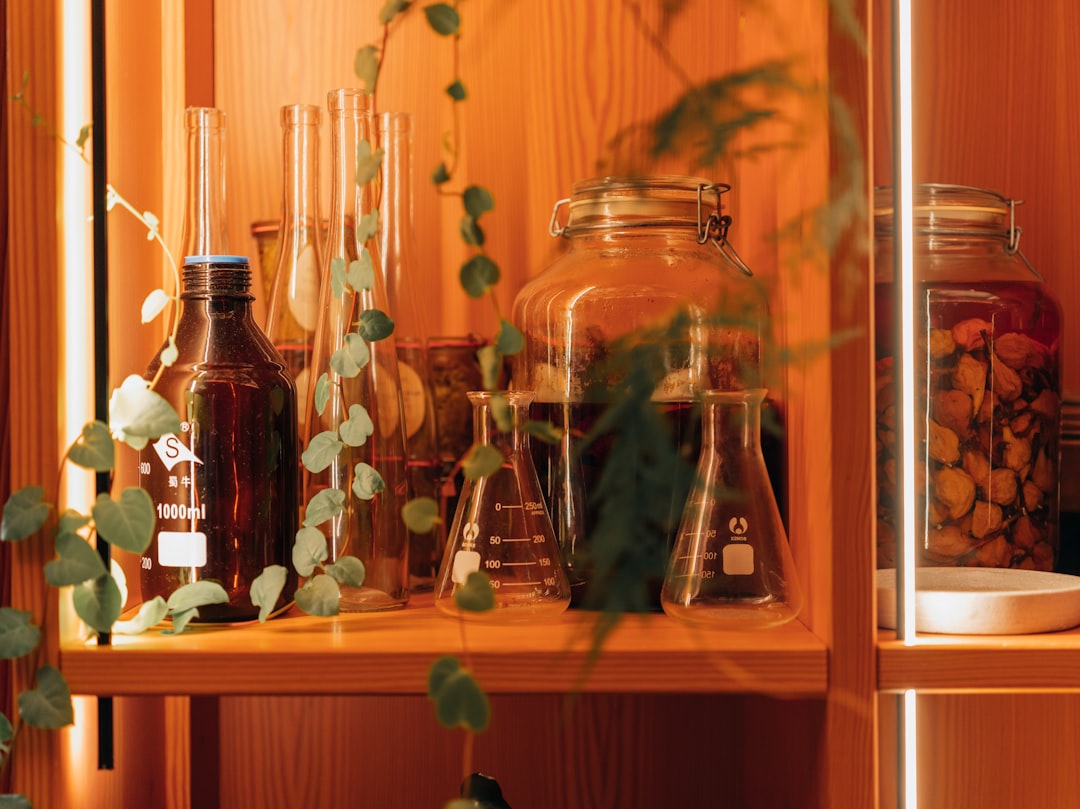
Nutrient and pH targets I use
Numbers people rarely publish, which is why beginners flounder. These are the ranges that have worked across three years and two climates for me. Your water and light will shift them.
| Stage | EC (mS/cm) | Approx. TDS (ppm, 500 scale) | pH | Reservoir refresh |
|---|---|---|---|---|
| Week 1 to 3 (recovery) | 0.6 to 0.8 | 300 to 400 | 5.8 to 6.2 | Weekly, full change |
| Week 4 to 8 (rooting) | 0.8 to 1.1 | 400 to 550 | 5.8 to 6.2 | Every 10 days |
| Established (past 8 weeks) | 1.0 to 1.4 | 500 to 700 | 5.8 to 6.2 | Top up weekly, full flush monthly |
| Winter slowdown | 0.6 to 0.9 | 300 to 450 | 5.8 to 6.2 | Every 14 days |
One salt-creep note: even at correct EC, evaporation concentrates minerals over time. A monthly flush (pour twice the pot volume of plain, pH-adjusted water through and dump it out) has cut my brown leaf tips by more than half. This single habit is worth more than any brand of nutrient.
The first 90 days: what actually happens
I keep a small notebook per plant. If I compress three years of notes, the pattern is almost boring in its consistency.
- Days 1 to 7: leaves may droop slightly. Do not water the leaves, do not raise humidity dramatically. Just wait.
- Days 8 to 21: fine soil roots start dying back. You will see mush at the pellet interface. This is normal; rinse the pot and refresh water.
- Days 22 to 45: first true water roots appear, usually thicker and paler than soil roots. Growth above may still pause.
- Days 46 to 75: new leaf pushes for most philodendrons and monsteras. Anthuriums and alocasias often take another month.
- Days 76 to 90: the plant looks like itself again. Now you can raise nutrients toward the established range.
Species-specific notes from my shelves
Philodendron (climbing and self-heading)
The easiest group. P. gloriosum, P. mccolley finale, most hybrids: expect a 6 to 8 week settle, minimal leaf loss. Give them a moss pole even in LECA; aerial roots will grip and thicken.
Monstera
Adaptable and forgiving. M. deliciosa and M. adansonii often produce their largest leaves in LECA once established. Watch for calcium deficiency (translucent new leaves) if you use RO water without cal-mag.
Anthurium
Slow, cautious. Velvety species like A. clarinervium and A. crystallinum can take 12 to 16 weeks. Keep EC lower than you think, closer to 0.6, throughout the first three months.
Alocasia
Divisive. Some collectors swear by LECA for corms; I have lost enough A. reginula to say honestly that soil suits me better here. If you try it, use a smaller inner pot and let the reservoir dry between fills.
Troubleshooting the failures I have actually seen
| Symptom | Likely cause | What I do |
|---|---|---|
| Yellowing lower leaves in week 2 | Normal die-back of stressed soil roots | Wait; do not increase nutrients |
| Slimy brown film in reservoir | Residual soil and warm standing water | Full flush, add an air stone if it recurs |
| Crispy leaf tips after 6 weeks | Salt buildup or high tap water TDS | Flush; switch to RO if tap runs above 200 ppm |
| No new roots by week 8 | Reservoir too high or too cold | Lower water to bottom third; move off cold windowsills |
| New leaf pale and small | Under-fed after establishment | Move to established EC range gradually |
For deeper reading on nutrient uptake and pH ranges in soilless systems, the University of Minnesota Extension and the Royal Horticultural Society both publish grounded, non-commercial guidance I have leaned on when my own notes felt thin. For plant-specific safety around pets (many aroids are irritant-toxic), the ASPCA toxic plant database is my default reference.
What LECA will not fix
It will not save a rotted crown. It will not make a light-starved plant grow faster. It will not compensate for 25 percent household humidity in a species that needs 60. If you are collecting for the long term, the medium is roughly the fourth most important variable after light, temperature, and root-zone humidity. Move plants across when you have those three sorted, not before.
Frequently asked questions
How long before an aroid looks normal again after moving to LECA?
For most philodendrons and monsteras, 6 to 8 weeks. For anthuriums and slower species, 12 to 16 weeks. If nothing has changed by week 10, check reservoir temperature (aim for 18 to 24 C) and light, not nutrients.
Can I mix soil roots and LECA in the same pot as a hybrid setup?
I have tried it. It works short term but tends to collapse around week 12, when the remaining soil compacts and turns anaerobic against wet pellets. If you want a gentler transition, use a semi-hydro mix (LECA plus pumice) rather than a soil-LECA sandwich.
Do I need an air stone or pump in the reservoir?
For pots under about 15 cm, no. For larger pots or when your room sits above 26 C, an inexpensive aquarium air stone reduces root rot risk noticeably. I run one on my largest Monstera deliciosa and nowhere else.
What nutrient brand do you use?
I use a general-purpose two-part hydroponic formula with cal-mag included. Brand matters less than consistency. Pick one, learn how it behaves at different EC values in your water, and stay with it for a full season before switching.
Is LECA reusable between plants?
Yes. Soak used pellets in a mild vinegar solution (about 1 part white vinegar to 10 parts water) for an hour to dissolve mineral crust, rinse thoroughly, then boil or bake at 120 C for 20 minutes before reusing on a new plant. I get roughly 3 to 4 years out of a batch before the pellets start crumbling.
None of this is glamorous. That is the honest part. A good aroids in LECA transition is mostly patience, a cheap meter, and the willingness to leave the plant alone while it does uncomfortable-looking work underground. Get those right, and the rest is just watering less often than you used to.