Most of my shelf plants are demanding in ways I have learned to accept. Peperomia obtusifolia is the opposite. It sits between a philodendron gloriosum and a fussy calathea in my living room, quietly holding its glossy paddle leaves at attention while the drama plays out on either side. I bought my first one for about six dollars at a hardware store, expecting it to die within a season. Six years later it lives on a north-facing bookshelf, gets watered when I remember, and has been propagated into three friends’ apartments. This is the plant I recommend when someone tells me they killed a pothos.
What follows is what I have actually learned keeping this species indoors, not a general tropical care sheet dressed up in its name. The baby rubber plant, as it is sometimes called, has quirks worth knowing if you want it to look like a specimen instead of a survivor.
Why this peperomia earns shelf space
Peperomia obtusifolia belongs to a genus of over 1500 species, and it is one of the few that reads as sculptural rather than trailing or scrappy. The leaves are thick, waxy, cupped slightly at the base, and hold water inside their tissue the way a mild succulent does. That single trait, semi-succulence, explains almost every care decision you will make with this plant.
It stays compact. A mature plant on my shelf is 11 inches tall and 14 inches wide after four years in the same 5-inch pot. It flowers with strange rat-tail spikes in late spring that some people find charming and others prune off. I leave them because pollinators occasionally land on the balcony version and I like watching that happen.
Light: brighter than most people think
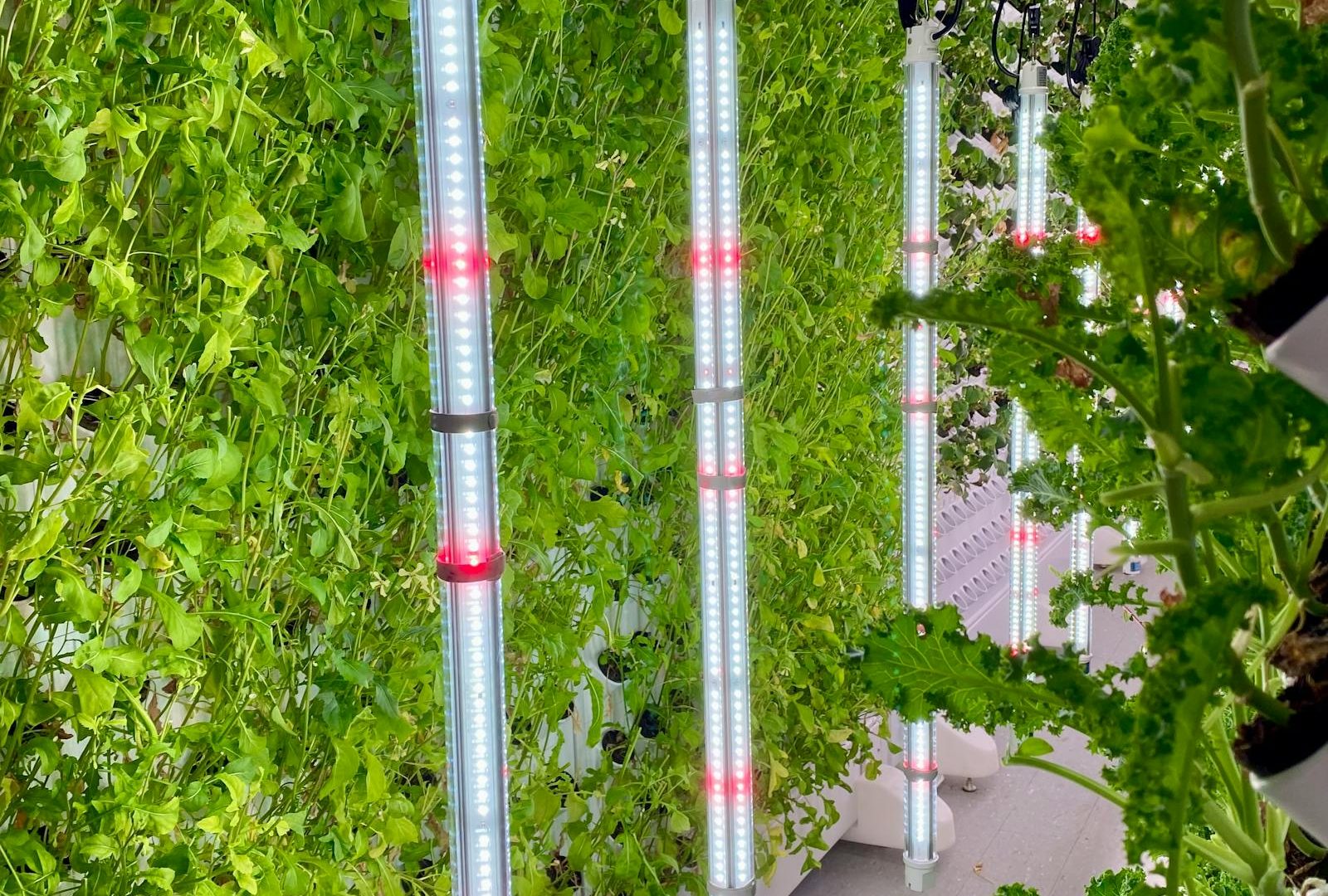
The plant is sold as low-light tolerant, and it is, but tolerance is not preference. Mine sat in a genuinely dim corner for a year and grew maybe two new leaves total. When I moved it three feet closer to an east window, giving it about 200 to 400 foot-candles of morning light, the growth rate roughly tripled. Under a small LED grow bar delivering around 150 PPFD for 12 hours a day, the internodes tighten and leaves come in a shade darker.
Direct afternoon sun through unfiltered glass is the one thing to avoid. I bleached a plant this way in a July window, and the pale patches never fully recovered even after moving it back to indirect light. A sheer curtain solves this completely.
Watering: the semi-succulent rule
Overwatering is the single most common cause of death for this species, and it is entirely avoidable once you internalize what those thick leaves are doing. They store water. The plant does not want a moist rootball. It wants a soak, then a genuine dry-down, then another soak.
My rhythm in a heated apartment at roughly 68°F with 45% humidity:
- Water thoroughly until roughly 20% of the volume drains from the pot.
- Empty the saucer within 10 minutes so roots do not sit in standing water.
- Wait until the top 2 inches of substrate are dry and the pot feels noticeably lighter, usually 9 to 14 days.
- Check leaf firmness with a gentle squeeze. Firm means wait, slightly pliable means water.
- Reduce frequency by roughly one-third from November through February when growth slows.
The leaves themselves are the most reliable moisture meter I own. A thirsty peperomia obtusifolia gets slightly softer leaves before it wilts, giving you a comfortable 48-hour warning window.
Soil and pots that actually work
The wrong potting mix will undo everything else you do right. Standard peat-heavy houseplant soil holds too much water at the root zone and pushes this plant toward rot. I have settled on a mix that drains fast but retains enough moisture to avoid the opposite problem.
| Component | Proportion | What it does |
|---|---|---|
| Quality peat or coco coir | 40% | Base moisture retention |
| Perlite or pumice | 30% | Air pockets, drainage |
| Fine orchid bark | 20% | Structure, prevents compaction |
| Worm castings | 10% | Slow nutrient release |
Pot choice matters almost as much. This species prefers to be slightly rootbound and does best in a container that is only about an inch wider than the rootball. I use unglazed terracotta because it wicks moisture out of the substrate and gives me a buffer against my occasional overzealous watering. Plastic works if you are attentive, but I would not recommend it for a beginner.
Feeding, humidity, and temperature
Peperomias are light feeders. I dilute a balanced 3-1-2 or 5-2-3 liquid fertilizer to roughly one-quarter the label strength and apply it every third watering during the March through September growing season. Nothing during winter. Over-fertilizing shows up as brown leaf edges within about two weeks, which is a slow enough signal that people often blame humidity instead.
On humidity: this plant does not need a cabinet. Anything from 40% to 60% relative humidity is fine. I have kept one in a Chicago apartment that dropped to 28% every January and it looked exactly the same in spring. Temperature range is generous too, roughly 60°F to 85°F, with the caveat that anything below 55°F for extended periods causes leaf drop.
Propagation: almost embarrassingly easy
Leaf cuttings root reliably enough that I use this species to teach anyone new to propagation. Two methods work, and I have run both dozens of times.
- Water method: cut a healthy leaf with about 1 inch of petiole, submerge only the petiole in room-temperature water, change water weekly. Roots appear in 3 to 4 weeks.
- Soil method: dip petiole in cinnamon powder, insert into moist propagation mix, cover with a clear cup for humidity, uncover after 2 weeks. Plantlets emerge from the base of the petiole in 6 to 10 weeks.
- Stem cuttings with 2 nodes and 3 leaves root in water in about 2 weeks and can go straight into soil.
- Full division works if the mother plant has multiple crowns, which mine developed after year three.
The most common propagation failure I see is people using a leaf without the petiole. It will not root. The meristem lives at the base of that little stem, and cutting it off means you are just watching a leaf slowly decompose. A little patience with the actual anatomy solves this. For more on peperomia genus biology, the Missouri Botanical Garden maintains a solid reference entry.
Problems I have actually run into
Nearly every issue traces back to water or roots. Wrinkled, soft leaves that do not firm up after watering usually mean the roots are compromised. I unpot, rinse, cut anything mushy with sterilized shears, dust with cinnamon, and repot into fresh dry mix. Recovery takes about a month. If more than half the roots are gone, I take stem cuttings and start over.
Yellow lower leaves that drop cleanly are typically overwatering. Yellow leaves that hang on and develop brown spots are more often a fungal issue from wet foliage. I stopped misting this species entirely and the spotting stopped with it.
Sudden leaf drop after a location change is normal and usually reverses within three weeks. Fungus gnats mean the top layer is staying moist too long. I top-dress with a half-inch of coarse sand or horticultural grit and the population collapses within a generation, without any need for BTI or hydrogen peroxide drenches. The University of Maryland Extension has a useful guide on managing fungus gnats in houseplants if the sand trick is not enough.
Styling notes from four years of shuffling
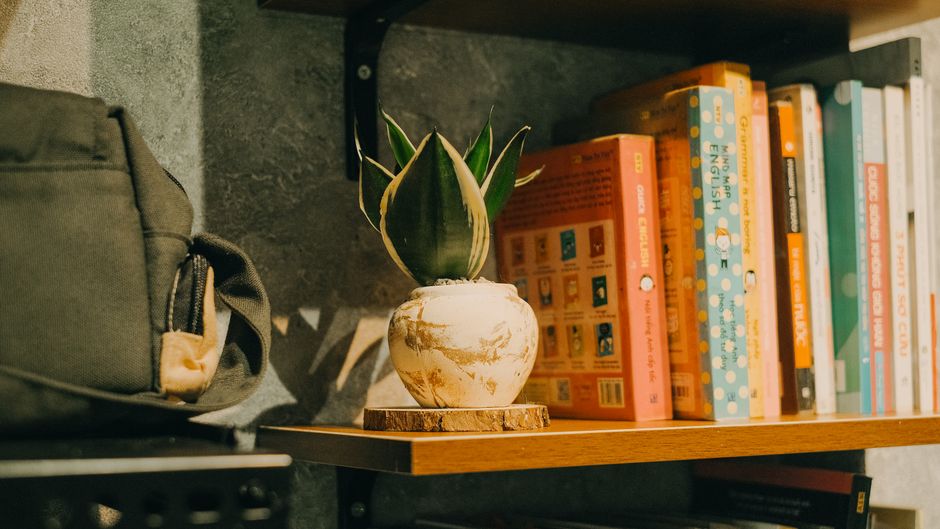
This plant looks best in company. On my shelf it sits between a smaller pilea and a trailing hoya, which frames its stiff upright habit and keeps it from reading as a lonely lump of leaves. A rounded terracotta pot suits it better than anything angular. I have tried it in a matte black cylinder and the whole composition went cold.
If you want to slow growth further and keep the plant compact for a shelf, keep it in slightly lower light and a smaller pot. If you want a fuller specimen, root three or four cuttings into the same pot from the start. A single crown will never look as lush as a pot with multiple.
Frequently asked questions
Is Peperomia obtusifolia toxic to cats and dogs?
No. The ASPCA lists the entire peperomia genus as non-toxic to both cats and dogs. This is one of the reasons I keep it on lower shelves where my cat routinely investigates it. Ingestion may still cause mild stomach upset simply because it is plant matter, but there is no known toxic compound to worry about.
Why are my new leaves smaller than the old ones?
Almost always a light issue. The plant is producing what it can with what it has. Move it closer to a window or add a small grow light for 10 to 12 hours a day and the next flush of leaves should return to normal size within about six weeks. A slight tightening of internodes is a good sign that the change is working.
Can I keep it in a bathroom?
Yes, if the bathroom gets real daylight from a window. A windowless bathroom with only overhead light will slowly starve it. The humidity boost from showers is genuinely nice for this plant but not necessary, so treat light as the deciding factor.
Should I repot it every year?
No. This species actively dislikes being repotted often and grows best when slightly rootbound. I repot mine every 2 to 3 years, only when roots are visibly circling the drainage holes or when the substrate has broken down and stopped draining well. A top-dress of fresh mix every spring covers the nutrient side without disturbance.
Are the flowers worth keeping?
Aesthetically that is personal, but energetically it does not matter much. The flower spikes use very little of the plant’s resources compared to fruiting plants, so leaving them on will not slow leaf production in any measurable way. I leave mine because I like the odd texture they add to an otherwise glossy plant.
Frequently asked questions
Do I need a PAR meter for plant lighting?
Probably not. PAR meters are expensive ($150-300) and the precision matters more for commercial growing than hobby use. A simple lux meter or phone app is sufficient for most home decisions.
How many hours should I run my grow light?
10-12 hours daily, on a timer. Consistency matters. Combine with natural light when available — supplement during winter when natural light is weak.
Will more powerful grow lights grow plants faster?
Up to a point, yes. Beyond a species' optimal light range, more light produces stress, not faster growth. Most rare houseplants top out at 5,000-10,000 lux equivalent — more is wasted or harmful.
How do I measure light intensity?
Get a lux meter ($20-40) or use a phone app. Measure at the position where the plant sits, in midday with natural lighting conditions. Average several readings for accuracy.