My first fiddle leaf fig lasted seven months. The second one, bought as a defiant replacement, is now taller than my bookshelf and has been in the same corner of my living room for years. Nothing changed about the plant. Everything changed about how I treated it, and more importantly, how I stopped treating it like a delicate showpiece and started treating it like the slow, stubborn tree it actually is.
Ficus lyrata gets written about as if it were a temperamental celebrity. It is not. It is a canopy tree from West African lowland rainforest that grows to forty feet in the wild and wants, in your apartment, only three things done consistently. The problem is that most articles skip the part where you commit to those three things for two or three years before the plant rewards you.
What a realistic first year actually looks like
The plant you bring home was probably grown in a Florida shade house at 70% humidity with morning sun and daily overhead irrigation. Your living room is 35% humidity, has one bright window, and the water schedule depends on when you remember. The plant does not die from this transition. It sulks. Expect the following in the first six to twelve months:
- Two to four lower leaves yellow and drop within the first eight weeks. This is acclimation, not failure. The plant is shedding leaves it grew under conditions it no longer has.
- Growth stalls entirely for the first winter. If you bought the plant in October, do not expect a new leaf until March or April.
- Some leaves develop small brown edge spots. Almost always low humidity or inconsistent watering, rarely disease.
- The trunk stays exactly the same diameter. Trunk thickening is a year-two or year-three project.
I keep a small notebook next to the plant with the date of each new leaf. My current tree pushed four leaves in year one, nine in year two, and fourteen in year three. That is what a healthy trajectory looks like. If someone on Instagram shows you a fiddle leaf that gained eighteen inches in six months, they are either in a greenhouse or they bought it that size.
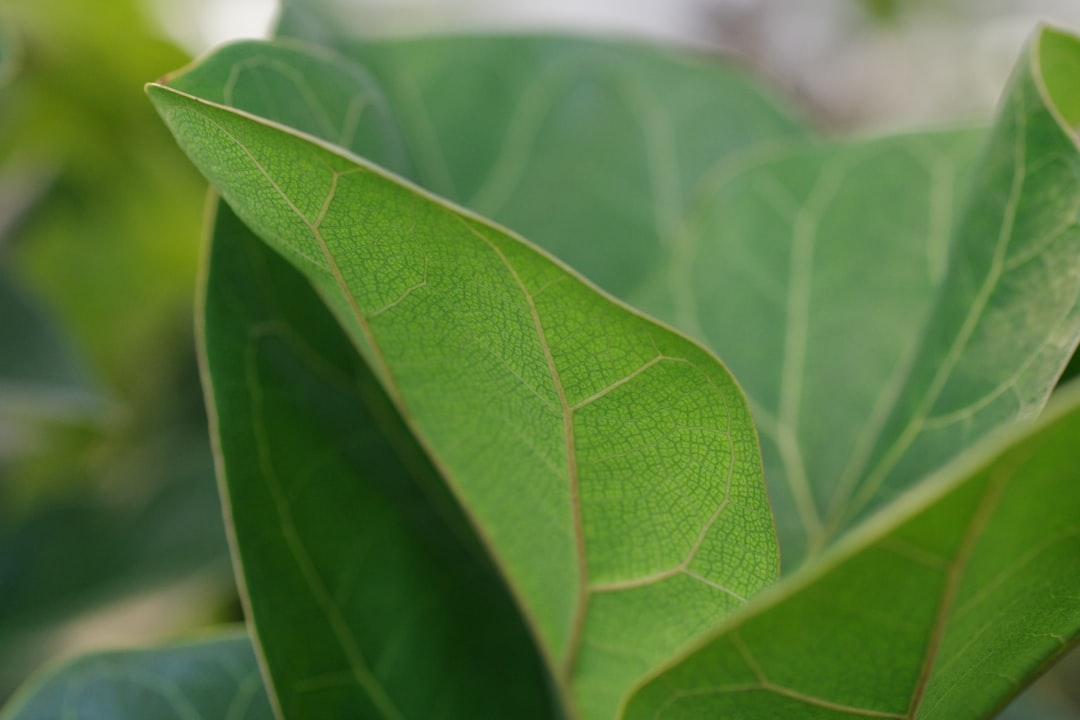
Light is the entire game
Every other variable is negotiable. Light is not. Ficus lyrata evolved as an emergent canopy species, which means it wants a lot of light once it is past the seedling stage. In practical terms for a home:
| Placement | Approximate light | Realistic outcome |
|---|---|---|
| South window, within 3 feet | 800-1500 foot-candles | Strong growth, thick leaves |
| East or west window, within 3 feet | 400-800 foot-candles | Slow steady growth, healthy |
| Room corner, 8+ feet from window | 50-150 foot-candles | Slow decline over 6-18 months |
| North window only | 100-300 foot-candles | Survives, rarely thrives |
I bought a cheap light meter for about twenty dollars and it changed how I place every plant in the house. The corner I thought was bright measured 90 foot-candles at noon. My fiddle now sits three feet from an east-facing window with an unobstructed sky view and reads around 600 foot-candles for four hours a day. That is enough.
If your best window is not enough, a single 30-watt full-spectrum bulb in a clip-on reflector, positioned about eighteen inches above the crown and run twelve hours a day, will keep a fiddle in active growth through winter. I did this for two years in a north-facing apartment. It works. It is also visible, which some people mind.
Watering without the drama
The mythology around watering fiddle leaf figs is exhausting. Weekly schedules, moisture meters that lie, elaborate soak-and-drain rituals. The plant does not need any of that. It needs the top two inches of soil to dry between waterings, and then it needs a thorough soak that fully saturates the root ball and drains out the bottom.
In a typical five-gallon nursery pot in average indoor conditions, that means water roughly every seven to ten days in summer and every fourteen to twenty-one days in winter. But do not schedule it. Push your finger two knuckles deep. If it comes out with damp soil clinging to it, wait. If it comes out clean and dry, water.
Two things will kill this plant faster than anything else: sitting in a saucer of standing water for more than an hour, and being repotted into an oversized decorative pot with no drainage. If your decorative cachepot has no drainage hole, the plant stays in its plastic nursery pot inside the cachepot, and you lift it out to water in the sink. This is not optional.
The substrate question
Most bag-store houseplant soil is too dense and holds water too long for a Ficus lyrata. I mix my own and have not lost a plant to root rot since I started. My working ratio for a mature fiddle:
- 50% quality peat-based or coco-coir potting mix as the base
- 25% medium orchid bark for structure and drainage
- 15% perlite or pumice for aeration
- 10% worm castings for slow-release nutrition
This mix drains in about ten seconds when you pour water through a fresh batch, which is what you want. It also holds enough moisture that you are not watering every three days. The University of Florida extension has a useful guide to potting media for interior tropicals that goes deeper into the physics of container drainage if you want to understand why bag soil compacts.
Fertilizer, cleaning, and the boring maintenance
I feed at quarter strength with a balanced liquid fertilizer (something around 3-1-2 NPK for foliage) every second watering from March through September. Nothing from October through February. This plant will happily grow itself into deficiency if you never feed it, but overfeeding produces weak, oversized leaves that sag and spot.
Leaf cleaning matters more than people think. Fiddle leaves are large, waxy, and horizontal, which means they collect a shocking amount of dust that reduces photosynthesis. Once a month I wipe each leaf on both sides with a soft microfiber cloth and plain water. Twice a year I move the whole plant into the shower and give it a lukewarm rinse for about three minutes. The Royal Horticultural Society has good notes on general Ficus care indoors that align with what I do.
Pruning and shaping over multiple years
A fiddle leaf that is left alone will grow as a single unbranched stem, sometimes for years. If you want a tree shape with multiple branches, you have to prune. Cut the main stem back to just above a node in early spring, when the plant is entering active growth. Within four to eight weeks you should see two or three new shoots emerge below the cut.
I waited until my tree was about five feet tall before making the first cut, and it was one of the harder gardening decisions I have made. The tree lost about ten inches of height and looked ridiculous for two months. It now branches into three main leaders and looks like an actual tree. Notching, where you make a shallow cut halfway through the stem just above a dormant node, can also force branching without removing height, though the success rate is lower.
Common problems and what they actually mean
After years of reading forums and answering questions from friends, the same handful of symptoms come up repeatedly. Here is my honest translation of what each usually indicates:
| Symptom | Most likely cause | What to do |
|---|---|---|
| Brown spots at leaf edges | Low humidity, inconsistent watering | Group plants, water more evenly, wait |
| Brown spots in leaf centers | Bacterial or fungal, often from overhead water sitting | Reduce leaf wetting, improve airflow |
| Lower leaves yellowing and dropping | Acclimation or overwatering | Check soil moisture two knuckles deep |
| New leaves small and pale | Insufficient light | Move closer to window or add a bulb |
| Leaves drooping despite moist soil | Root rot, cold draft, or shock | Unpot, inspect roots, trim any black mush |
Frequently asked questions
How long until my Ficus lyrata looks like the ones in design magazines?
Three to five years from a four-foot nursery plant, assuming good light and consistent care. The photogenic specimens you see in Kinfolk shoots are typically eight to fifteen years old. If you want that look faster, buy a larger plant and expect to pay for the grower’s time.
Should I mist my fiddle leaf fig?
Not really. Misting raises humidity for about ninety seconds and then it is gone. If you want higher humidity, group plants together, add a small humidifier running at 50-60%, or move the plant to a naturally humid room like a bathroom with adequate light. Misting can also encourage bacterial spotting on the leaves.
Why does my fiddle drop a leaf every time I move it?
This species dislikes environmental change, and even rotating the pot can trigger a leaf drop. When you have to move it, do it once and leave it alone for several months. Do not test different corners of the room to see which the plant prefers.
Is a Ficus lyrata safe around cats and dogs?
No. All Ficus species contain irritating latex sap, and the ASPCA lists them as toxic to cats, dogs, and horses. Ingestion causes oral irritation, drooling, and sometimes vomiting. Keep it out of reach or choose a different tree if that is a concern in your home.
Can I propagate from a cutting?
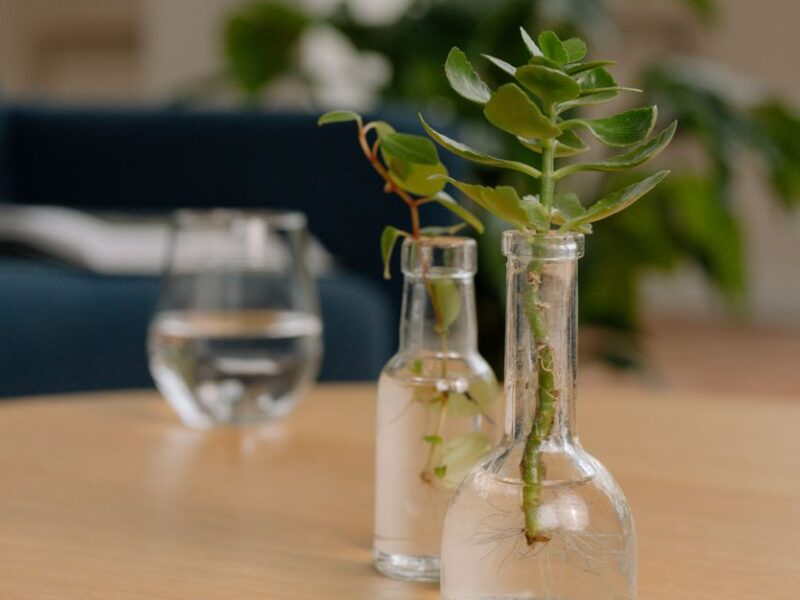
Yes, and it is easier than the plant’s reputation suggests. Take a tip cutting with two or three leaves, let the cut end callus for a few hours, then place it in water or moist perlite. Roots typically appear in four to eight weeks. I have rooted every cutting I have taken from my main tree, and one of them is now a decent-sized plant in my kitchen.
Frequently asked questions
How accurate are cheap hygrometers?
Most $10-20 digital hygrometers are accurate to within +/- 5%, which is sufficient for plant care decisions. More expensive models offer slightly better accuracy but the practical impact is small for hobby use.
Do I need a separate light meter?
A free phone app gives approximate readings — useful for relative comparisons between positions in your home. A dedicated meter is more accurate and a worthwhile $20-40 investment for serious collectors.
How often should I check humidity and light?
Humidity daily, especially during seasonal changes. Light monthly or whenever you move a plant. Temperature whenever the weather changes dramatically.
What humidity should I aim for?
Most rare houseplants do well at 55-65% humidity. Specific species vary — velvet aroids prefer 60-70%, succulents tolerate 30-40%, most tropical foliage thrives at 60+%.