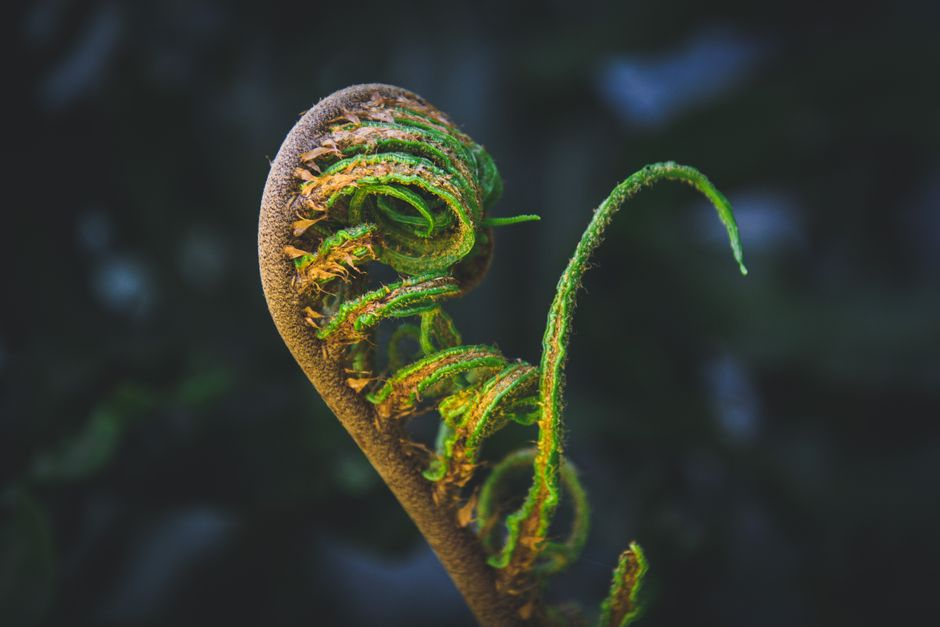
My veitchii lives on a north-facing shelf that catches maybe two hours of angled sun in late afternoon, and after three years it still surprises me every time a new leaf opens. The pleats emerge folded like an accordion, glossy and almost wet-looking, then stretch over about ten days into that famously corrugated blade. Nothing else in my collection produces a leaf that looks quite so architectural, and nothing else has taught me quite as much about patience.
This is not a difficult plant in the way people online sometimes claim. It is a slow plant, a plant that punishes rushing, and a plant that rewards a stable environment more than any clever trick. If you can hold humidity steady and stop yourself from repotting it every time you feel the urge, the rest is mostly restraint.
Where this plant actually comes from
Anthurium veitchii is an epiphytic aroid from Colombia, growing on the trunks and branches of trees in wet montane forest between roughly 300 and 1500 meters of elevation. Understanding that context matters because it explains almost every care decision downstream. Its roots are used to running along mossy bark in constant moving air, drenched by afternoon rain and then dried by evening breezes. Nothing about a peaty pot on a still windowsill matches that.
The species was described in the 1870s by Berthold Carl Seemann and named for the Veitch nursery in England, which was importing spectacular new plants from South America at the time. You can read more about the aroid family and its epiphytic habits at the International Aroid Society, which remains the reference community for anyone getting serious about this genus.
Light without scorching those long leaves
Mature veitchii leaves in cultivation regularly reach three feet, and in habitat they have been recorded past six. That length is only possible when the leaf gets enough light to power its own weight without getting cooked. In my apartment I aim for bright indirect light of roughly 200 to 400 foot-candles for most of the day, with brief filtered sun acceptable early or late.
A cheap lux meter (or the free app on your phone) is worth the ten minutes it takes to measure. If you are relying on grow lights, I run a full-spectrum LED bar about 18 inches above the top leaf for 12 hours a day, drawing around 30 watts. Any closer and I get bronzing on the newest blade within a week.
Humidity, the one variable you cannot fake
Veitchii will survive at 50 percent humidity. It will not thrive. My plant sat in the low fifties for its first six months with me and produced short, slightly wavy leaves that never developed the deep pleats the species is known for. Once I moved it into a converted display cabinet holding a steady 70 to 80 percent, the next leaf came out nearly twice as long and properly ribbed.
A few things I learned the hard way about humidity:
- A tray of pebbles under the pot does effectively nothing at typical room airflow.
- Ultrasonic humidifiers work, but you must use distilled or reverse-osmosis water or you will coat every leaf in white mineral dust within a month.
- Airflow matters as much as the number on the hygrometer. A small clip fan on low, running 24 hours, prevents the fungal spotting that stagnant humid air always eventually produces.
Substrate: the recipe I actually use
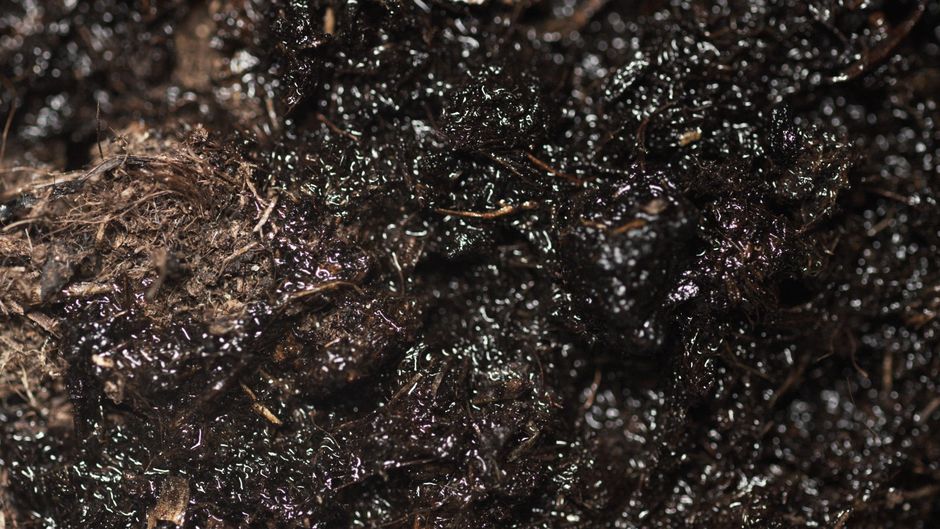
Standard aroid mix from a bag will keep a veitchii alive, but I have had far better results with a chunkier custom blend that mimics the drainage of bark. This is what goes in my pots, by volume:
| Component | Proportion | Why it is there |
|---|---|---|
| Orchid bark, medium grade | 40% | Structure, air pockets, slow breakdown |
| Perlite, chunky | 25% | Drainage and permanent aeration |
| Coco chips | 15% | Moisture buffer without going sour |
| Sphagnum moss, long fiber | 15% | Localized moisture around fine roots |
| Horticultural charcoal | 5% | Odor control and mild filtration |
I water when the top two inches feel dry to the knuckle, which in my cabinet works out to roughly every 6 to 8 days. In a drier room it might be every 4. The mix should never stay soggy for more than a day, and the pot should feel noticeably lighter before the next watering.
Feeding a slow grower
Veitchii is not a heavy feeder, and overfeeding is a faster route to leaf tip burn than any pest. I use a balanced synthetic fertilizer at roughly a quarter of the label strength, applied with every second watering during active growth from March through October. In winter I stop entirely.
Once a month I flush the pot thoroughly with plain water to prevent salt buildup, letting water run through for at least a full minute. On flushing days I also lift the pot to feel the weight, which is the most reliable dryness gauge I have found.
Repotting, mounting, and the case for a moss pole
This is an epiphyte, and it will always prefer being climbing rather than potted flat. My best specimen is trained up a sphagnum-wrapped pole about 24 inches tall, secured with soft plant tape at the petiole junctions. The aerial roots grip the pole within a few weeks and start drawing moisture from it directly, which has visibly improved leaf size compared to the same plant grown pot-only.
I repot only when roots are circling the drainage holes or the mix has broken down to the point of holding water for days. For most veitchii this is every 18 to 24 months, not annually.
A step-by-step repot that will not shock the plant
- Water the plant thoroughly the day before, so the root ball comes out intact.
- Prepare fresh mix and pre-moisten it lightly so it holds shape without dripping.
- Slide the plant out and gently loosen only the outermost roots. Do not bare-root a healthy plant.
- Choose a pot only one size up, ideally clear plastic so you can watch the roots.
- Set the plant so the base of the stem sits at the same depth as before, then backfill with the new mix, tapping the pot to settle it.
- Water once, lightly, then wait a full week before the next watering to encourage the roots to reach.
- Keep the plant out of direct light for two weeks while it settles.
Troubleshooting the leaves
Most veitchii problems announce themselves on the newest leaf first. This is the reference table I keep taped inside my plant cabinet:
| Symptom | Likely cause | What I do |
|---|---|---|
| Short new leaf, weak pleats | Humidity below 60% during unfurling | Raise humidity, protect the emerging leaf |
| Brown crispy tips | Fertilizer salts or tap water minerals | Flush pot, switch to RO or rainwater |
| Yellow lower leaf | Usually normal senescence if slow | Only worry if two or more yellow at once |
| Black soft petiole | Root rot from stale wet mix | Unpot, cut rot, repot in fresh chunky mix |
| Small pale flecks | Spider mites, common in dry rooms | Wipe leaves, treat with neem or predatory mites |
What I check every week
- Hygrometer reading (target 70 to 80 percent inside the cabinet)
- Weight of the pot before deciding to water
- Underside of the newest two leaves for any mite activity
- Aerial roots for direction and moisture
- Position of the newest emerging leaf relative to the light source
Frequently asked questions
How fast does Anthurium veitchii grow indoors?
In stable conditions mine produces a new leaf roughly every 6 to 10 weeks during the warmer months and pauses almost entirely from November through February. Each new leaf is usually 15 to 30 percent larger than the last until the plant matures, which can take several years. Expect nothing dramatic in the first six months after purchase, because the plant is often busy replacing roots rather than pushing top growth.
Is veitchii a hard plant for a first anthurium?
It is more forgiving than reputation suggests, but it does demand humidity above roughly 60 percent to look like the plant you saw online. If you can only offer standard room conditions, a smaller and cheaper species like Anthurium clarinervium is a better starter. Once you have a humidifier or cabinet running reliably, veitchii is no harder than a philodendron gloriosum.
Should I grow my veitchii mounted or in a pot?
Either works, and I have kept the same clone both ways. Mounted plants on a slab of cork or tree fern develop the most impressive aerial root systems and often longer leaves, but they need daily attention to moisture. Potted plants on a moss pole are the practical compromise for most collectors and what I recommend for a first specimen.
Why are the new leaves smaller than the older ones?
Almost always a sign that something in the environment has stepped down: less humidity, less light, less root run, or a nutrient shortfall. Compare current conditions to when the largest leaf emerged and change one variable at a time. Anthuriums are honest reporters, which is part of why they are such satisfying plants to keep.
Frequently asked questions
Do all houseplants need filtered water?
No. Most houseplants tolerate tap water fine. The most sensitive species — Calatheas, Marantas, some Anthuriums, Spider plants — benefit from filtered, distilled, or rainwater. Less sensitive plants like Pothos and most Philodendrons do well with tap water.
Can I use distilled water for all my plants?
Yes, it is safe. Some growers feel it is too mineral-poor for long-term use; if so, mix it with a small amount of tap water or use rainwater. Distilled water is most useful for the most sensitive species.
How long does it take to see improvement after switching water?
New leaves that develop after the switch show the improvement. This is typically four to eight weeks for fast-growing plants and twelve weeks or more for slow growers. Existing damaged leaves do not recover; new leaves come in cleaner.
Will leaving tap water out overnight make it safe?
Only partially. Free chlorine evaporates, but chloramine (used in most modern municipalities) does not. Fluoride and dissolved minerals also remain. Carbon filtration or rainwater is more reliable.