My first Philodendron pastazanum arrived in a nursery pot that was far too deep, with the rhizome shoved vertically down into wet peat like a carrot. Within three weeks it had rotted at the growing tip and I was left with two sad, hollowed nodes and a very expensive lesson. The second one I bought (a small three-leaf plant from a local grower who actually kept his stock in shallow trays) is the one still with me almost four years later, and it is the plant that taught me why this species is worth all the fuss.
Pastazanum is a crawler, not a climber. The rhizome wants to run horizontally along the surface of a substrate, sending down roots as it goes and pushing up those glossy, deeply cordate leaves at wide intervals. Most of the care advice you find online misses this single fact, and once you correct for it, the plant becomes surprisingly forgiving. Below are the notes I wish someone had handed me the first time.
Why the crawl matters more than anything else
A pastazanum grown in a deep pot with a vertical rhizome will almost always disappoint you. The internodes shorten, new leaves stay small, and the whole plant looks compressed. When the rhizome is allowed to lie flat and creep across a wide, shallow container, something changes: internodes stretch to 4 or 5 inches, leaves double in size within two growth cycles, and the characteristic quilted look on the leaf surface deepens.
I keep mine in a rectangular bonsai training tray, roughly 16 by 8 inches, with a soil depth of only about 3 inches. The rhizome sits directly on top of the substrate. I pin fresh sections down with a bent paperclip until they root, then I stop interfering.
Light: bright, indirect, and boring
Nothing exciting to report here, which is the point. I measured the light on my plant’s shelf with a cheap lux meter over a full day in July and again in January. Summer readings peaked around 850 foot-candles at midday (this is filtered light through a sheer curtain, east-northeast exposure). Winter readings dropped to about 320 foot-candles at the same spot, so I supplement with a single 24 watt full-spectrum LED bar running 10 hours a day from November through February.
Direct sun for more than about 30 minutes will bleach the leaves to a pale, tired olive within a week. I learned that on a spring afternoon when I moved the plant closer to the window to photograph it and forgot to move it back.
Substrate: the recipe that finally worked
After trying three different aroid mixes over the first year, this is the blend I settled on. It drains fast, holds moisture at the rhizome-root interface for about two days after watering, and has enough structure that the rhizome does not sink.
| Component | Ratio | Why it is in there |
|---|---|---|
| Orchid bark, fine grade | 4 parts | Structure and air pockets around aerial roots |
| Coco chips (rinsed) | 2 parts | Buffered moisture without going anaerobic |
| Perlite, coarse | 2 parts | Drainage, prevents the mix from packing |
| Worm castings | 1 part | Slow-release nutrition, microbial activity |
| Horticultural charcoal | 1 part | Filters and keeps the substrate sweet |
I top-dress with a thin layer of long-fiber sphagnum where the rhizome contacts the mix. That single change (I added it in year two) roughly doubled the rate of new root emergence along fresh growth.
Water and humidity: numbers I actually hit
My apartment sits at 45 to 55 percent relative humidity most of the year, dropping to about 35 percent during peak heating in January. Pastazanum tolerates all of that without complaint, though the new leaves emerge slightly larger when I run a small ultrasonic humidifier nearby and keep the local humidity closer to 65 percent.
Watering rhythm, roughly:
- I water when the top inch of substrate is dry to a wooden skewer, which usually means every 5 to 7 days in summer and every 10 to 12 in winter.
- I water thoroughly until roughly 20 percent of the volume drains through, then I tip the tray to pour off any standing water within about 10 minutes.
- Every fourth watering I include a dilute fertilizer at quarter strength (I use a 3-1-2 with kelp), which works out to roughly 150 ppm total dissolved solids at the pour.
- Every eighth watering is plain water only, to flush any accumulated salts.
Temperature stays between 65 and 78 degrees Fahrenheit year round. Below about 60 the plant sulks and drops a leaf; above 85 the new growth arrives thin and paler than usual.
Propagation from a rhizome cut
The most reliable propagation method I have used is a beheading of an actively growing tip with two nodes attached, cut cleanly with a sterilized blade, and left to callus for 24 hours on a paper towel out of direct light. I then pin the cut section flat onto damp sphagnum inside a clear takeout container with the lid cracked open. Roots appear at both nodes within about 3 weeks at 74 degrees Fahrenheit.
The stump left behind (the original rhizome with no growing tip) will almost always push a new pup from a dormant eye within 6 to 10 weeks, provided you keep it warm and lightly moist. So a single cut, done properly, gives you two plants.
Common problems and what I actually do about them
- Yellow lower leaf with a mushy petiole: I unpot immediately, cut back to firm rhizome tissue, dust with cinnamon, and re-root on sphagnum. This is nearly always overwatering combined with a substrate that has broken down.
- New leaves emerging smaller than the previous ones: usually a light problem in my experience, occasionally under-feeding. I move the plant closer to the source or add supplemental light before I touch the fertilizer.
- Brown crispy leaf edges: low humidity plus salt buildup. I flush the substrate and add a pebble tray.
- Rhizome trying to lift itself off the substrate: it is looking for a fresh surface. I add a shallow layer of mix and press the rhizome back down gently.
- Sudden leaf drop with no other symptoms: check for a cold draft. Mine dropped two leaves the week I opened a window in October and forgot about it overnight.
Sourcing an honest plant
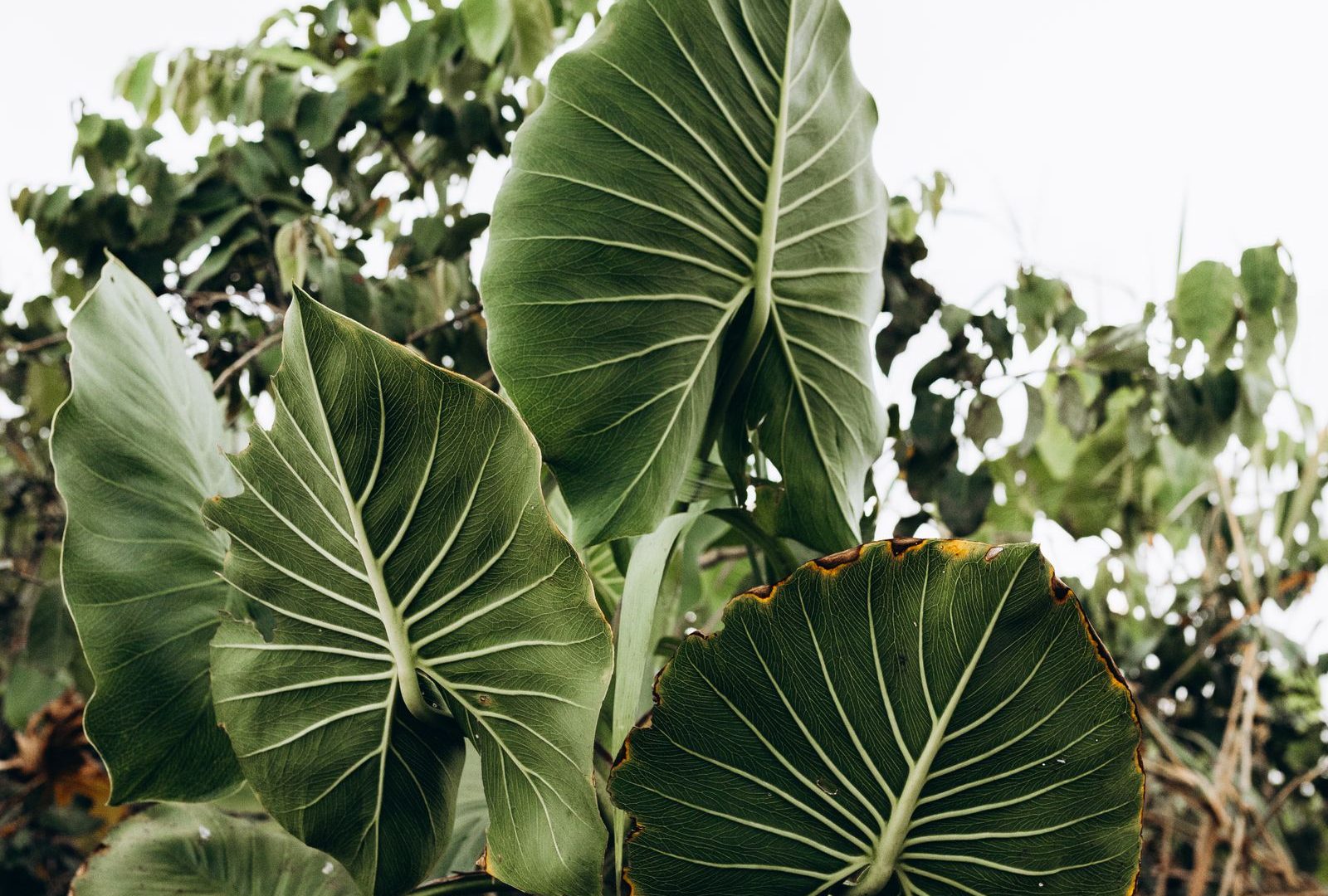
Pastazanum is often confused with plowmanii and mamei in the trade, and vendors are not always careful. When I buy, I look for the characteristic broad, heart-shaped leaf with a slightly quilted surface and (importantly) the horizontal rhizome habit already visible in photos. If a seller shows the plant potted deeply with the rhizome buried, I ask for a photo of the base before I commit.
Prices have dropped meaningfully since the peak years. A rooted three-leaf plant that would have cost me over two hundred dollars during the pandemic era can now be found for under sixty from small growers. The International Aroid Society maintains helpful reference material if you want to verify what you are actually buying, and the Missouri Botanical Garden plant finder is my go-to for cross-checking accepted names.
What four years of notes taught me
The plant that has done best for me is not the one I fussed over most. It is the one I put in a shallow tray, gave decent light, watered on a boring schedule, and largely left alone. My grow journal for this pastazanum has 47 entries over four years, and the most common note is some version of “checked, all fine, added water.” That is, I think, exactly what this species wants from us.
Frequently asked questions
Does Philodendron pastazanum need a moss pole?
No, and giving it one is counterproductive. Pastazanum is a creeping terrestrial species, not a climber. The rhizome wants to run horizontally across the substrate. A pole forces the plant into a growth habit that is not natural to it and typically results in smaller leaves and shorter internodes.
How do I tell pastazanum apart from plowmanii?
Pastazanum leaves are broader relative to their length, more deeply quilted along the veins, and the petiole is smooth and round in cross-section. Plowmanii tends to have longer, more elongated leaves with a distinctly wavy or ruffled petiole edge. Side by side the difference is obvious, but in isolated seller photos it can be genuinely hard to call.
Why is my pastazanum growing so slowly?
In my experience the two biggest causes are insufficient light and a pot that is too deep. Give it more light before you consider anything else, and check that the rhizome is sitting on or near the surface of a wide, shallow container rather than being buried in a tall nursery pot.
Can I grow it in a fully enclosed cabinet?
You can, and it will reward you with larger leaves and faster growth. I ran mine in a converted display cabinet at 75 percent humidity for one summer and the difference in leaf size was noticeable. The trade-off is airflow, which you need to manage with a small computer fan to prevent fungal issues on the leaf surface.
Is Philodendron pastazanum toxic to pets?
Yes, like all philodendrons it contains insoluble calcium oxalate crystals that cause oral irritation, drooling, and vomiting if chewed. I keep mine on a shelf my cat cannot reach, and I would not recommend the species for households with animals that graze on plants.
Frequently asked questions
Why does my Alocasia polly keep dropping leaves?
Most often dormancy (in autumn or winter) or overwatering / dense substrate (any time of year). Check the tuber — if firm, the plant is dormant or recoverable. Refresh substrate and adjust watering rhythm.
Is Alocasia polly really a good beginner plant?
It is marketed that way, but polly is moderately demanding. It survives in a wider range of conditions than rarer Alocasias but still requires chunky substrate, watering by feel, and a stable location. Better-suited beginners would be Pothos or ZZ plants.
How much light does Alocasia polly need?
Bright filtered light. East-facing window, west-facing with sheer curtain, or several feet back from a south-facing window. Direct afternoon sun scorches the leaves. Low light produces small, pale leaves and faster dormancy.
How often should I water Alocasia polly?
When the substrate is two-thirds dry — every five to nine days in summer, every ten to fourteen in winter. Always check by feel before watering. Schedule-based watering causes more polly deaths than under-watering.