Every serious infestation I have ever dealt with arrived in a nursery pot. Not from an open window, not from a bag of compost, not from the cat. A pretty philodendron came home, went straight onto the shelf next to plants I had spent years building up, and two weeks later I was picking thrips off an anthurium with a magnifying loupe at midnight. That was the day I stopped treating quarantine as a suggestion.
What follows is the protocol I have refined over roughly a hundred incoming plants. It is not paranoid. It is the smallest reasonable amount of caution that has kept my collection quiet for the last few years, and it costs almost nothing to set up.
Why 30 days, and why so specific
Most nursery pests have a life cycle between 10 and 21 days at room temperature. Thrips run about 15 days from egg to adult at 70°F, spider mites can complete a generation in 7 to 14 days when the air is dry, and fungus gnat larvae hatch within 3 days and pupate around day 14. A 30-day window covers at least one full cycle for the common troublemakers, plus a buffer to catch the second flush of eggs you missed the first time.
Root pathogens are slower and sneakier. Pythium and fusarium often stay latent until the plant is stressed by repotting or a temperature swing, which is exactly what the first month at your house provides. A month gives them time to show themselves before they meet the rest of your shelf.
Setting up an isolation zone that actually works
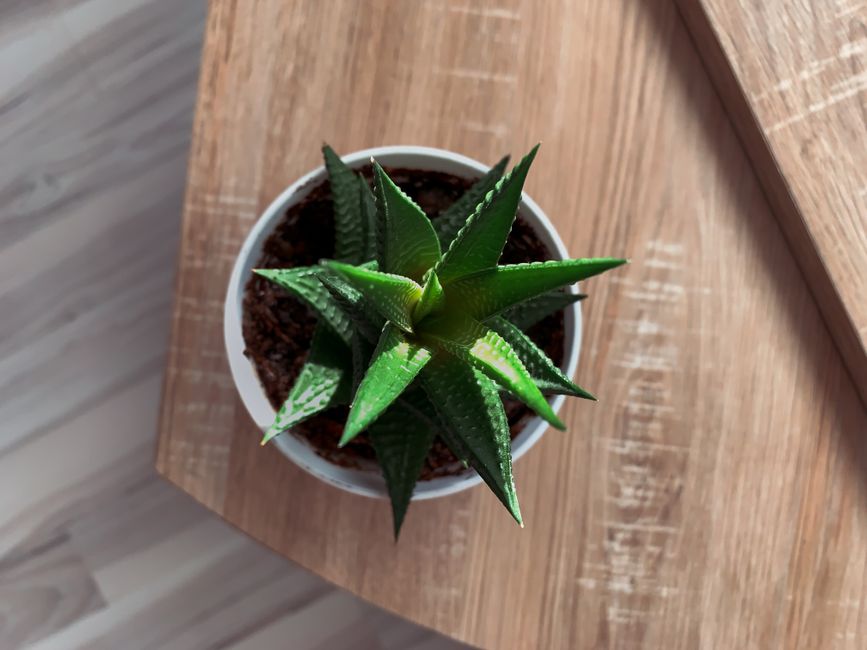
You do not need a spare room. I use a folding side table pushed into a corner of the guest bedroom, about six feet from the nearest other plant. That distance matters more than most people realize. Spider mites walk. Thrips fly poorly but they do fly. Six feet, a closed door, and no shared airflow path is enough for a home collection.
The zone needs four things: a light source, a saucer or tray under the pot, a small hand mister filled with plain water, and a bright desk lamp for inspections. I also keep a cheap USB microscope (around 60x) in the drawer. It is the single most useful tool I own for this job, and it cost less than a mid-sized pot.
- Pick a spot with its own light, either a north window or a small grow bulb, kept between 65 and 78°F.
- Lay down a washable mat so any dropped soil or water is easy to sanitize.
- Keep a bottle of 70% isopropyl alcohol, cotton swabs, and a roll of yellow sticky cards within arm’s reach.
- Reserve one pair of scissors for quarantine plants only, and wipe them with alcohol between cuts.
- Wash your hands after handling anything in the zone before touching other plants.
The day-one inspection
Before the plant even reaches the isolation table, I do a full walk-around at the sink. Good lighting, no distractions, ten minutes minimum. This is where about 60% of the problems I catch are actually caught.
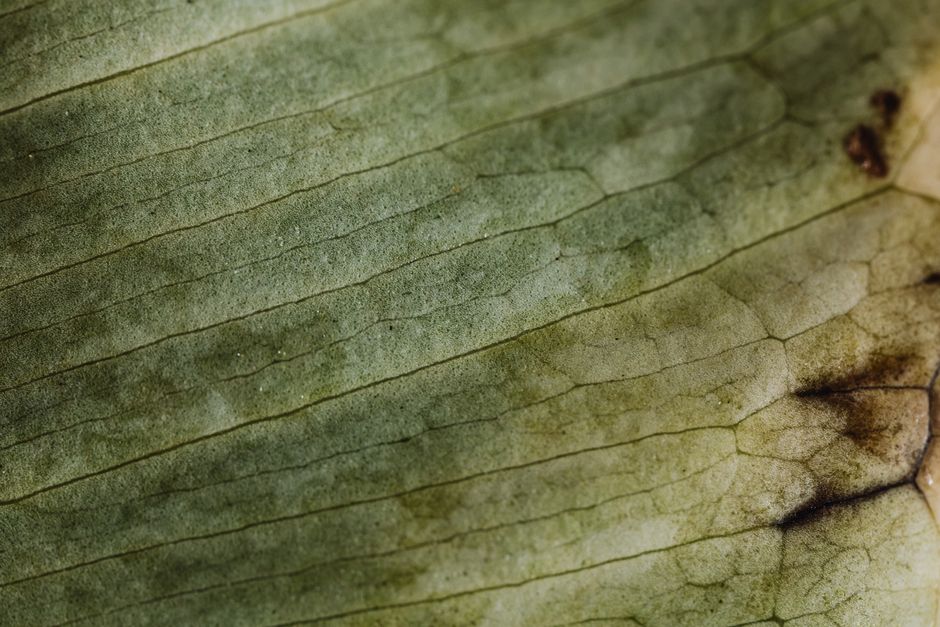
I look at the undersides of every leaf, the leaf axils where new growth emerges, the petiole joints, the soil surface, and the drainage holes. Then I tip the plant out of its nursery pot onto a sheet of white paper and look at the root ball. White paper is the trick, because dislodged mites, springtails, and root aphids show up as moving specks against it.
What to look for, and what it probably is
Half of quarantine is knowing what you are seeing. Most collectors misidentify their first three or four pest sightings, myself included. Here is the quick-reference table I wish I had when I started.
| What you see | Likely culprit | First move |
|---|---|---|
| Silvery streaks with black dots on leaves | Thrips (adults 1-2 mm) | Blue sticky cards, systemic if severe |
| Fine webbing at leaf joints, stippled surface | Spider mites | Rinse, raise humidity above 55% |
| White cottony tufts in leaf axils | Mealybugs | Alcohol swab each one directly |
| Small brown bumps on stems, sticky residue | Scale | Scrape off, treat with horticultural oil |
| Tiny flies near soil surface | Fungus gnats | Let top inch dry, add BTI drench |
| White fluff on roots, no smell | Root mealybugs | Bare-root, rinse, repot in fresh mix |
| Mushy dark roots, sour smell | Root rot (pythium) | Trim to firm tissue, dry, repot in airy mix |
The soil question
Nursery soil is the single biggest source of trouble I have imported. It is usually a dense peat mix full of slow-release fertilizer pellets, and it often carries fungus gnat eggs, root mealybugs, or the beginnings of pythium. I used to leave new plants in their original substrate for the whole quarantine period. I no longer do that.
My current rule: if the plant looks stressed on arrival, I let it settle for a week before disturbing the roots. If it looks healthy and the pot is manageable, I bare-root it within the first 48 hours, rinse the roots with lukewarm water, inspect them under the desk lamp, and repot into my standard chunky aroid mix. This has cut my late-quarantine surprises by more than half.
The 30-day rhythm I actually follow
A protocol you skip is worse than one you do imperfectly. I keep this one taped inside the cupboard door in the guest room so I cannot pretend I forgot.
- Day 1: Full inspection at the sink, photograph any suspicious spots, place two yellow sticky cards in the pot.
- Day 2 or 3: Bare-root inspection and repot if the plant tolerates it. Log any observations in a notebook.
- Day 7: Second full leaf inspection under the loupe. Check sticky cards. Water only if the mix has dried appropriately.
- Day 14: This is the danger day. Any surviving eggs will have hatched. Inspect leaf undersides and soil surface carefully.
- Day 21: Preventive foliar rinse with plain water in the shower, gentle pressure, undersides included.
- Day 30: Final inspection. If nothing has appeared on the sticky cards and no symptoms have shown up, the plant graduates.

Treatments I keep on hand and how I use them
I try to reach for the gentlest option first. Nine times out of ten a physical intervention beats a chemical one, especially in a small indoor space where ventilation is limited.
My default kit is 70% isopropyl alcohol in a small spray bottle for mealybug spot treatment, a bottle of horticultural neem-free insecticidal soap diluted per the label (usually 2 teaspoons per quart), BTI granules (mosquito bits) steeped in water at roughly 4 tablespoons per gallon for fungus gnat larvae drenches, and a systemic containing imidacloprid for genuine thrips outbreaks that will not respond to anything else. I use the systemic maybe once a year, and only on plants that are already isolated. For dosage and safety guidance I lean on university extension write-ups such as the UC IPM thrips guide, which is more grounded than most social media advice.
When quarantine has to be extended
Sometimes a plant fails its 30-day check. A single thrips on a sticky card, a suspicious speckle on a new leaf, a whiff of sourness from the pot. In that case the clock resets. The plant stays isolated for another full 30 days from the day of the last treatment, and I add a second sticky card and a weekly loupe check.
Two plants in the last four years have failed a second round and had to be discarded. Both were young alocasias with root mealybugs that kept reappearing after every bare-rooting. That is a hard call to make, but a spreading root mealybug infestation across a shelf of rare plants is a much harder one. The RHS root mealybug notes are worth reading before you decide to keep fighting; they are more persistent than the foliage species.
Small habits that make the whole system easier
Quarantine works better when the rest of your setup supports it. I keep every new plant’s receipt or trade note in a folder for a year, so if I trace a pest outbreak I know exactly where it came from and can warn the seller. I photograph new arrivals on day 1 and day 30 in the same spot with the same light. Side by side, the images show growth, stress, and any color shifts I would otherwise miss.
I also stopped buying plants when I am tired or in a rush. That single change has done more for my collection’s health than any spray. A plant purchased calmly, inspected properly at the shop, and driven straight home rarely brings a serious problem into the house.
Frequently asked questions
Can I quarantine a new plant in the same room as my collection if I keep it in a clear plastic bag?
A bag traps humidity and slows some airborne pests, but it does not stop spider mites walking out at the opening, and it creates a warm damp microclimate that can accelerate fungal problems. A separate room or a location at least six feet from other plants, with the door closed most of the day, is meaningfully safer than a bagged plant on the main shelf.
Is 14 days enough quarantine if the plant looks completely clean on arrival?
For a plant from a trusted collector whose growing conditions you know, 14 days is a defensible shortcut. For anything from a big-box retailer, an unknown seller, or an import, 30 days is the honest minimum because thrips and root mealybugs frequently do not show themselves in the first two weeks. I have been burned twice by shortening this window, and it is not worth it.
Should I preventively treat every new plant with a systemic insecticide?
I do not, and I would gently push back on the growing habit of doing so. Systemics kill beneficial soil life, contribute to pesticide resistance, and are not risk-free indoors. Reserve them for confirmed infestations that have resisted physical and soap treatments. A thorough inspection, a soil swap, and 30 days of patience solves the majority of cases without any chemistry.
What temperature and humidity should the quarantine zone be at?
Aim for the middle of the plant’s comfort range rather than pushing recovery conditions. For most tropical foliage that means 68 to 76°F and 50 to 60% humidity. Very high humidity encourages fungal issues on a stressed plant, and very low humidity favors spider mites. Boring, stable middle-of-the-road numbers are what you want here.
How do I sanitize the isolation area between plants?
Wipe the table, saucer, and any tools with 70% isopropyl alcohol, wash the desk lamp shade and the mat with soapy water, and replace the sticky cards. If the previous occupant had a confirmed pest, I also leave the zone empty for at least three days with the light off, which is uncomfortable for most mobile pests looking for a new host.
Frequently asked questions
How long does it take to develop a personal plant styling aesthetic?
Typically 2-5 years of active collecting and styling. Initial choices reflect external influences; over time, your own preferences emerge through experience and trial.
Should I follow specific styling rules?
Use principles, not rules. Rules are rigid; principles are flexible. Pay attention to what works in your space and adjust accordingly.
How can I tell if my plant arrangement is working?
Visual harmony, plant health, ease of care, and your own enjoyment of the space. If all four are positive, the arrangement is working.
Can plant styling improve my home's overall feel?
Yes, significantly. Plants add life, color, texture, and presence to spaces. Thoughtfully styled plants can transform how a home feels to live in.